Transmission fluid does a lot of quiet, unglamorous work. It lubricates the internal components of your gearbox, helps regulate temperature, and in automatic transmissions, acts as the hydraulic medium that makes gear changes possible in the first place. A Great Wall transmission fluid change is one of those services that rarely gets talked about until something goes wrong, but staying on top of it is one of the better ways to protect a vehicle that does genuine daily work. At Gatton Automotive Solutions, we see Great Wall utes and SUVs regularly, and keeping the drivetrain in good shape is straightforward when the fluid is serviced on schedule.
Signs Your Great Wall’s Transmission Fluid Needs Attention
Automatic transmission fluid doesn’t announce when it’s degraded. The signs tend to creep in gradually, which is part of what makes this service easy to overlook.
- Delayed or sluggish gear engagement – a noticeable pause when moving from park into drive, or hesitation between gear changes under acceleration
- Rough or jerky shifting – changes that feel abrupt or shudder through the vehicle instead of being smooth and progressive
- Slipping gears – the engine revs climbing without a matching increase in vehicle speed, which can feel like a loss of power
- Fluid that looks dark or smells burnt – fresh ATF (automatic transmission fluid) is typically a translucent red; fluid that’s gone dark brown or has a burnt odour has broken down and needs replacing
- A transmission warning light on the instrument cluster, particularly if it appears alongside temperature-related symptoms
If you’ve put significant kilometres on your Great Wall without a transmission fluid service, that alone is reason enough to have it checked, even if nothing feels wrong yet. Degraded fluid causes wear you won’t notice until the damage has already accumulated.
What Happens During a Great Wall Transmission Fluid Change
Great Wall vehicles, including the Steed ute and Haval-badged SUVs that share platform components, use automatic transmission systems that require specific fluid types and volumes. Our approach starts with identifying the correct specification for your particular model and transmission variant before we touch anything.
We drain the old fluid and inspect what comes out. Fluid condition tells us a lot: excessive metal particles or a very dark colour can indicate internal wear worth investigating further. The transmission sump pan is removed where applicable, the filter replaced, and the pan cleaned before reassembly. We refill to the manufacturer’s specified volume using fluid that meets the correct ATF specification for your Great Wall transmission, which matters more than people often realise. Using the wrong grade can affect shift quality and, in some cases, cause damage to solenoids or valve body components over time.
After refilling, we check for leaks at the sump and filler points and carry out a short operational check to confirm shift quality is normal across all ranges. If anything during the service raises a concern, we’ll let you know what we found and what the options are before any further work proceeds.
A Note on Great Wall Service Intervals
Great Wall’s recommended intervals for transmission fluid changes can vary between models and operating conditions. Vehicles used for towing, operating in dusty environments, or doing a lot of low-speed work in stop-start conditions will typically need more frequent attention than highway-based driving. If you’re not sure where your vehicle sits relative to its service schedule, we can pull up the relevant information when you bring it in.
What Affects the Cost and Time Involved
The time needed for a transmission fluid change is fairly predictable when no complications arise. Factors that can extend the job include a sump pan that hasn’t been removed in a long time, a transmission filter that’s difficult to source quickly, or findings during the inspection that suggest additional attention is needed.
Parts sourcing for Great Wall vehicles is something we handle directly. We source ATF and transmission filters that meet the correct specification for the model, and we’ll discuss the options with you if there’s a meaningful difference in what’s available. We won’t fit a cheaper fluid just to bring the price down if it’s not the right product for the application.
Cost will depend on your specific model, how much fluid capacity the transmission holds, and the condition of components like the filter. We give you a clear picture of what’s involved before work starts.
Why Lockyer Valley Drivers Bring Their Great Walls to Us in Gatton
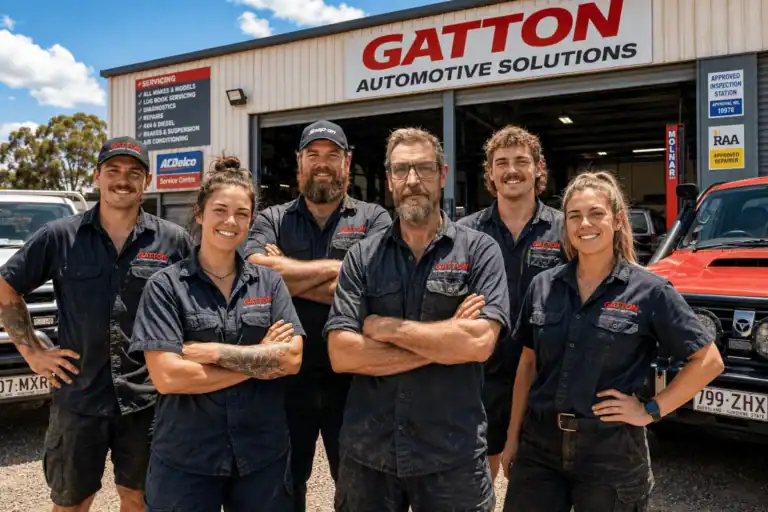
Gatton Automotive Solutions is a full-service workshop in Gatton covering everything from everyday servicing through to heavy vehicle work, smash repairs, suspension, tyres, and agricultural equipment. For Great Wall owners in the Lockyer Valley, that means you don’t need to make the run to Ipswich or Toowoomba for a transmission service. We stock or source the parts, we know the vehicles, and we’re not going to suggest work that isn’t needed.
With five-star reviews from local customers, the feedback speaks for itself. Honest advice, fair pricing, and no unnecessary upselling are the way we operate, whether it’s a quick fluid change or a more involved mechanical job. That applies equally whether you’re bringing in a single ute or managing a small fleet.
If your Great Wall is due for a Great Wall transmission oil change or you’ve noticed any of the symptoms above, Book Your Free Inspection online or Call Us Now. We’re located in Gatton and ready to help.