A cooling system flush is one of those services that rarely gets talked about until something goes wrong. Coolant, the fluid that circulates through your engine to manage heat, breaks down over time. As it ages, it becomes acidic and starts corroding the metal and rubber components it was designed to protect. A proper coolant flush removes the old degraded fluid, clears out built-up sediment and scale, and replaces it with fresh coolant mixed to the right specification for your vehicle. For drivers in Gatton and across the Lockyer Valley, keeping the cooling system in good shape matters year-round, but especially through the region’s warm summers.
Signs Your Coolant Needs Attention
Some cooling system problems announce themselves loudly. Others quietly do damage for months before you notice. Here are the signs worth acting on before they become expensive repairs.
- Temperature gauge creeping higher than normal during regular driving or sitting in traffic
- Sweet smell from around the engine bay, which can indicate coolant leaking onto hot surfaces
- Discoloured or sludgy coolant visible in the overflow reservoir, often rusty brown or murky instead of bright green, pink, or orange
- White residue or scale on hoses, the radiator cap, or around the coolant reservoir cap
- Heater blowing inconsistent warmth inside the cabin, which can point to a blockage or air in the system
- Coolant level dropping without any visible leak, which may suggest a slow internal leak or evaporation from degraded seals
Most vehicle manufacturers recommend a coolant flush every two to five years depending on the coolant type used. If you’re not sure when yours was last done, or if you’ve recently bought a used vehicle, it’s worth having the system inspected before the issue reveals itself on the side of the road.
What We Do During a Cooling System Flush in Gatton
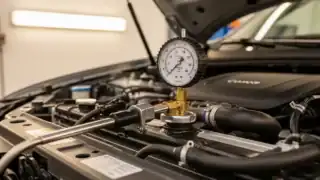
We start by checking the current condition of the coolant using a test strip and refractometer, which measures the fluid’s freeze protection rating and gives us a read on how acidic or contaminated it’s become. We also inspect the overflow reservoir, radiator cap, visible hoses, and thermostat housing for any early signs of wear or leaks.
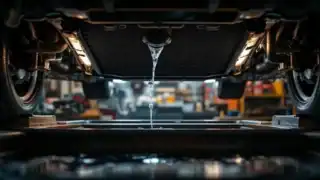
Once we’ve confirmed the system is ready to flush, we drain the old coolant fully rather than just topping up over degraded fluid. The system is then flushed with clean water or a dedicated flush chemical to dislodge sediment and neutralise acidity built up in the passages. This step matters more than it sounds. Old coolant breaks down into acids that eat away at aluminium components, radiator cores, and the water pump impeller over time. A top-up without a flush leaves that damage-causing contamination in place.
After flushing, we refill the system with the correct coolant type and mix ratio for your vehicle. Not all coolants are interchangeable. Long-life OAT coolants, hybrid HOAT formulas, and standard inorganic coolants are each suited to different vehicle types and materials. Using the wrong one can accelerate corrosion rather than prevent it. We check the blend concentration using a refractometer to confirm freeze and boil protection is within the correct range, then bleed any air from the system before testing.
What Affects the Time and Cost Involved
A straightforward coolant flush on a passenger car is generally a quick job. The variables that affect time and cost include the size of the cooling system, the type of coolant required, the condition of the system, and whether any related components need attention while we’re in there.
Larger vehicles, 4WDs, and light commercial vehicles carry more coolant volume and may need more flush cycles to clear the system properly. Trucks and heavy equipment have substantially larger systems again and require different service procedures. If we find a damaged radiator hose, a weeping thermostat housing, or a faulty radiator cap during the service, we’ll let you know before we proceed with any additional work. No surprises and no unnecessary parts fitted without your go-ahead.
Coolant type also plays a role in cost. Vehicles that require a specific long-life or OEM-spec coolant will incur a higher fluid cost than those that use a standard mix, but using the correct fluid from the start is always cheaper than repairing corrosion damage later.
Why Gatton Locals Choose Gatton Automotive Solutions
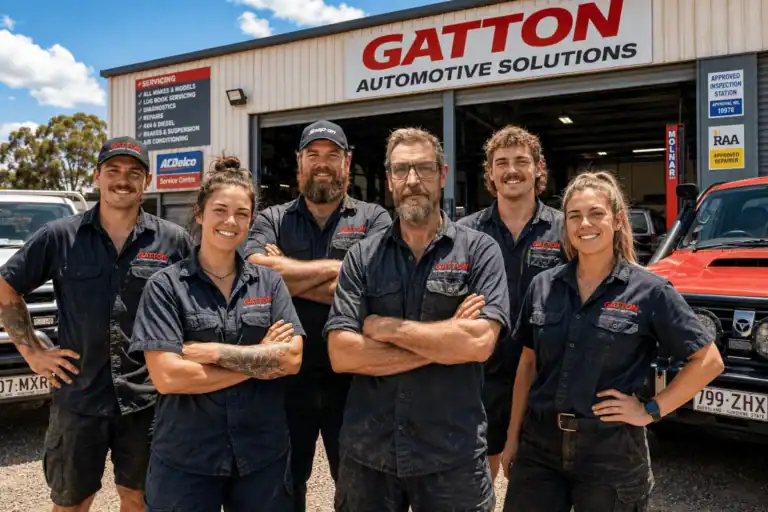
We’re a fully equipped, locally owned workshop covering everything from everyday passenger cars and family 4WDs to utes, light trucks, and heavy equipment. There’s no need to make the 45 to 80-kilometre drive to Ipswich or Toowoomba for a cooling system service when we handle it all right here in town. Our team gives honest advice, tells you what the vehicle actually needs, and won’t push work that isn’t warranted. That’s how we’ve built up five-star reviews from drivers across Gatton, Laidley, Plainland, and the broader Lockyer Valley.
Whether you’re bringing in a family wagon, a farm ute, or a commercial vehicle, we source the right parts and fluids in-house and get the job done properly. For fleet operators managing multiple vehicles, keeping cooling systems in good condition across a fleet is something we handle regularly. Beyond cooling system work, Gatton Automotive Solutions also carries out roadworthy certificates, smash repairs and custom paintwork, suspension upgrades, tyre supply and fitting, and servicing for agricultural and farm equipment, all under the one roof.
If your temperature gauge has been playing up, your coolant looks overdue for a change, or you’d simply like a professional eye on the system, Book Your Free Inspection online or Call Us Now to get your vehicle looked after at our Gatton workshop.