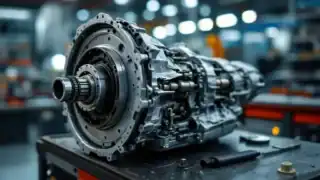
Your transmission is one of the hardest-working parts of your vehicle. It manages every gear change, transfers engine power to your wheels, and keeps everything running in sync whether you’re crawling through Gatton’s main street or loaded up on the highway. A transmission service is about more than a fluid change — it’s a health check for a system that, if neglected, can leave you with a very expensive repair bill or a car that simply won’t move. Catching problems early makes a real difference to both safety and long-term running costs.
Signs Your Gearbox Might Need Attention
Transmission problems rarely appear out of nowhere. Most give you plenty of warning – the trick is knowing what to listen and feel for. If you notice any of the following, it’s worth getting the vehicle looked at sooner rather than later.
- Delayed or rough gear changes – hesitation when shifting from park to drive, or a noticeable clunk between gears
- Slipping gears – the engine revs rise but the vehicle doesn’t accelerate the way it should, as though the transmission is momentarily losing its grip
- Shuddering at highway speeds – a vibration that wasn’t there before, often most noticeable when the transmission is moving between higher gears
- Dark or burnt-smelling fluid – healthy transmission fluid is a clear red colour; if it looks brown or smells burnt, it’s overdue for a change
- Warning lights – a check engine or transmission warning light on your dash is the vehicle’s way of flagging that something needs attention
- Fluid leaks under the car – red or pink fluid pooling under the front or middle of the vehicle is a common sign of a transmission seal issue
Automatic transmissions are particularly sensitive to fluid condition. The fluid both lubricates internal components and acts as the hydraulic medium that controls gear changes – when it degrades, the whole system suffers. Manual gearboxes and CVT (continuously variable transmission) units have their own specific fluid requirements and service intervals, so the type of transmission in your vehicle matters when planning maintenance.
What a Transmission Service at Our Workshop Involves
We don’t take a one-size-fits-all approach here. The service starts with a proper assessment – checking fluid level and condition, scanning for any stored fault codes, and road-testing the vehicle so we can feel how it’s actually behaving. A code reader will tell us what a computer has flagged, but a road test tells us what the driver is experiencing.
From there, the service work is matched to what the vehicle actually needs. For most automatic transmissions, this includes draining the old fluid, inspecting the transmission pan and filter (where accessible), cleaning up any sludge or debris, and refilling with the correct fluid specification for that transmission. Some modern sealed units require a specialist flush process rather than a traditional drain-and-fill, and we work to the right procedure for each vehicle.
For manual gearboxes and transfer cases on 4WDs, we inspect the fluid, check for metal contamination that can signal internal wear, and top up or replace fluid to the correct specification. For vehicles with a CVT, fluid quality is especially critical – using the wrong product can cause real damage, so we source the right fluid for each application.
If we find anything that needs further attention during the service, we’ll tell you clearly and explain your options before any additional work is done. No surprises.
What Affects the Cost and Time Involved
Transmission servicing varies more than a standard oil change, and a few factors drive that variation. Vehicle type plays a big role – a passenger car with a conventional automatic is typically more straightforward than a 4WD with a separate transfer case, or a truck with a heavy-duty gearbox. The condition of the fluid and whether the filter is accessible also affects the scope of work.
Parts availability matters too. Some transmission filters and gaskets are common items we carry, while others need to be ordered in for specific vehicles. We handle parts sourcing in-house, which keeps things moving, but it’s worth flagging if your vehicle is an older model or a less common make.
Fluid specification is another variable. Manufacturer-spec transmission fluids can cost more than generic alternatives, but using the correct fluid is non-negotiable for protecting your gearbox. We’ll always use the right product for your vehicle and explain what that means for the job.
Why Drivers Across the Lockyer Valley Come to Gatton Automotive Solutions
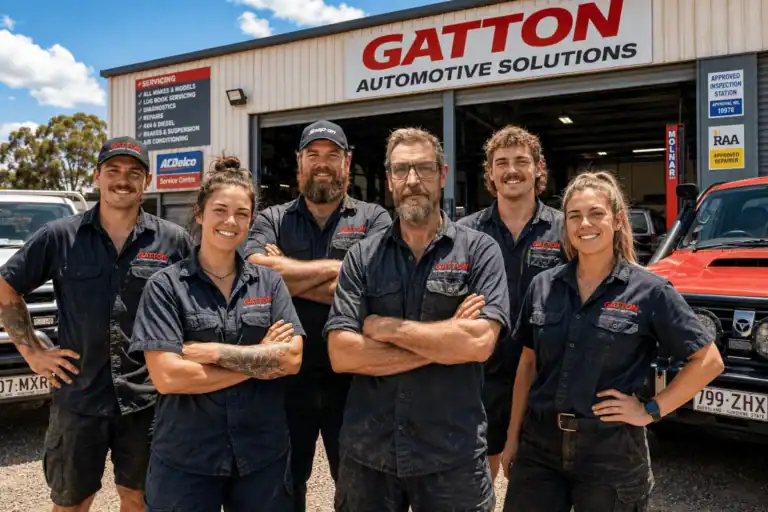
Gatton Automotive Solutions handles the full range – from everyday family cars and utes through to 4WDs, trucks, trailers, and heavy equipment. That breadth matters for transmission work because different vehicle types require genuinely different knowledge and tooling. A fleet operator running work vehicles through the Lockyer Valley and a family with a single car both get the same honest approach: we say what the vehicle needs, we do that work, and we don’t add to the bill unnecessarily.
Being locally owned and based in Gatton means you’re not driving to Ipswich or Toowoomba for a job we can handle right here. Our five-star reviews reflect the kind of straightforward, fair service we aim to deliver every time the doors are open.
If your gearbox is playing up or you’re simply due for a transmission service, Call Us Now or Book Your Free Inspection online. We’re here in Gatton and ready to help.