Brake fluid is the hydraulic link between your foot on the pedal and the brakes actually stopping your Great Wall. A Great Wall brake fluid change is a straightforward service, but it gets overlooked more often than it should. Brake fluid absorbs moisture over time, and as water content builds up, the fluid’s boiling point drops. That matters a lot when your brakes are working hard. Drivers around Gatton and the Lockyer Valley who do regular highway runs, tow trailers, or carry heavy loads put more heat through their brake systems than they might realise.
Why Brake Fluid Degrades and What Happens When It Does
Brake fluid is hygroscopic, meaning it naturally absorbs moisture from the air through the brake lines and reservoir cap. Even in a well-sealed system, water contamination builds up over time. Fresh fluid typically boils above 200°C. Once it absorbs enough moisture, that boiling point can fall significantly. When fluid boils under heavy braking, it turns to vapour, and vapour compresses where fluid does not. The pedal goes soft, the stopping distance increases, and in severe cases the pedal can sink toward the floor.
Beyond the performance risk, contaminated fluid accelerates corrosion inside your brake callipers, wheel cylinders, ABS modulator, and master cylinder. For Great Wall models, protecting these internal components matters because some parts can take longer to source in regional areas like Gatton.
Signs Your Great Wall Needs a Brake Fluid Change
- Spongy or soft brake pedal feel that was not there before, especially during extended braking
- Brake fluid that looks dark brown rather than clear or pale yellow when you check the reservoir
- It has been two or more years since the fluid was last replaced, regardless of how the system feels
- ABS or brake warning light appearing on the dashboard alongside any pedal changes
- Reduced confidence in stopping power when descending hills or towing
Great Wall’s service documentation for models like the Steed, Cannon, and earlier V-series utes generally recommends brake fluid replacement every two years or at specific kilometre intervals as part of the scheduled maintenance programme. If your service history does not clearly show when the fluid was last done, treat it as overdue and get it checked.
What Happens During a Great Wall Brake Fluid Change at Our Workshop
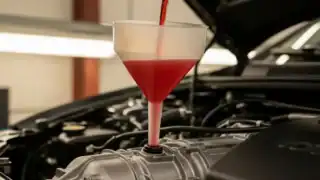
We start by checking the brake fluid reservoir level and condition. Discolouration and contamination are visible signs, but we also check moisture content if needed. The old fluid is then flushed from the system completely. This is an important distinction: a proper flush removes the degraded fluid from the callipers, lines, and ABS unit, not just the fluid sitting in the reservoir. Topping up the reservoir without flushing the lines leaves contaminated fluid where the heat is actually generated.
We refill with fluid that meets the specification for your Great Wall. Most Great Wall models across the Steed and Cannon range call for DOT 3 or DOT 4 fluid. Using the correct specification matters for compatibility with the seals and for meeting the boiling point requirements the system was engineered around. Once the system is filled and bled, we check pedal feel and confirm there are no leaks before the vehicle leaves.
ABS and Electronic Braking Systems
Most current Great Wall models, including the Cannon ute range, are fitted with ABS and electronic stability control. These systems have additional fluid passages inside the modulator unit. We check that the bleed process covers the full system, not just the standard calliper bleed points. If any brake-related warning lights are present before or after the service, we can run a diagnostic scan to confirm the cause rather than leaving you guessing.
What Affects the Cost and Time of a Brake Fluid Change in Gatton
A brake fluid change is one of the more straightforward fluid services. The main variables are the specification of fluid required, whether the ABS modulator needs bleeding separately, and the overall condition of the system. If callipers or bleed nipples are corroded and slow the process, that adds time. We will tell you upfront if we find anything that affects the job before proceeding. Most brake fluid changes can be turned around quickly, making them practical as a while-you-wait service when our schedule allows.
Parts sourcing is handled by the workshop, so you do not need to chase down the right fluid grade yourself or worry about whether what you have found at an auto parts retailer matches your model’s specification.
Servicing Your Great Wall Locally Rather Than Driving to Ipswich or Toowoomba
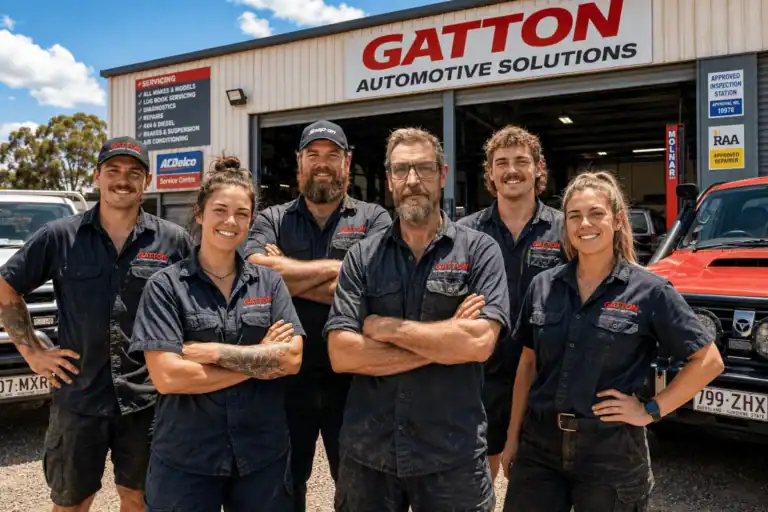
Gatton Automotive Solutions handles everything from everyday passenger cars and Great Wall utes through to trucks, heavy equipment, and farm machinery. A Great Wall brake oil change is a small job, but it is done properly with the same attention we give to larger work. We are locally owned and operated in Gatton, and we do not recommend services that are not needed. If your fluid is fine and the system is in good order, we will tell you that.
Our workshop also issues roadworthy certificates on-site and covers suspension, tyres, smash repairs, and panel work, so anything flagged during a brake inspection can generally be handled in the same visit rather than sending you somewhere else. With five-star reviews, our reputation in the Lockyer Valley is built on straight advice and work that is done right.
To book your Great Wall brake fluid change or to ask about our current availability, use the Book Your Free Inspection button or Call Us Now. Our team is here to help Gatton and Lockyer Valley drivers keep their vehicles safe and on the road.