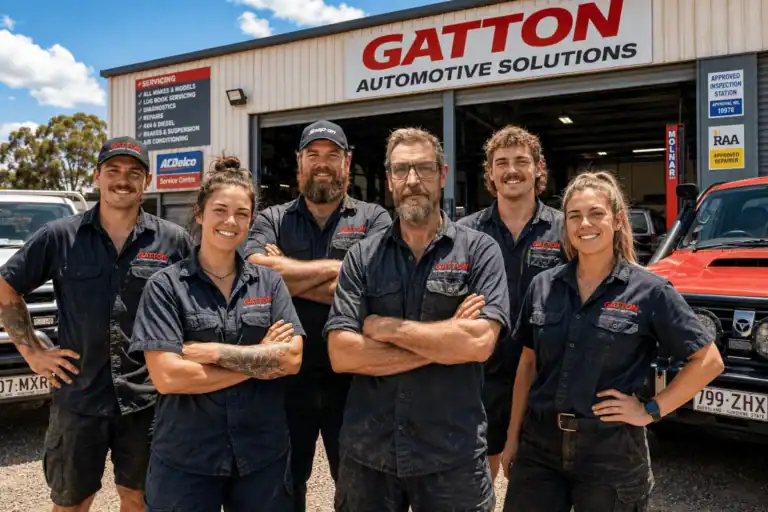
Japanese vehicles mechanic services require specialist knowledge and the right diagnostic equipment to get right. Whether you drive a Toyota, Nissan, Mazda, Honda, Subaru, Mitsubishi, or another Japanese marque, these vehicles are engineered with precision and depend on understanding their unique service schedules and repair procedures. At Gatton Automotive Solutions, we work on Japanese vehicles every day and understand their specific characteristics — what they’re prone to, how their systems interact, and how to keep them performing reliably over the long term. A Japanese vehicles mechanic isn’t just someone who can turn a spanner; it’s someone who knows manufacturer-specific diagnostic protocols, OEM part specifications, and the common failure points across different Japanese makes and models.
Common Warning Signs Your Japanese Vehicle Needs Attention
Japanese vehicles are generally reliable, but they’ll signal when something needs checking. Recognising these symptoms early can prevent costly repairs and keep you safe on the road.
- Soft or spongy brake pedal, or increased stopping distance
- Check engine light on the dashboard, even if the car feels normal
- Pulling to one side during braking or steering
- Grinding or squealing noises from under the bonnet
- Transmission hesitation, slipping gears, or rough shifts
- Coolant or oil leaks visible on the driveway
- Suspension noise over bumps or a noticeably rougher ride
- Unusual smells — burning, rotten eggs, or sweet odours
- Battery drain or electrical systems malfunctioning
- Overheating warning lights or temperature gauge moving into the red
Many of these symptoms point to issues that Japanese vehicles are known for depending on age, model, and mileage. Some are straightforward fixes; others require diagnostic work to identify the root cause accurately. That’s where a Japanese vehicles mechanic in Gatton makes the real difference — we trace problems back to their source rather than replacing parts based on guesswork.
What Japanese Vehicles Mechanic Service Includes
When you bring a Japanese vehicle to our Gatton workshop, we approach the work methodically using manufacturer-specific procedures. Japanese manufacturers follow strict service schedules and require precise diagnostic steps — ignoring these can void warranties or lead to incomplete fixes that resurface later.
Diagnostic scanning and logbook servicing. Most Japanese vehicles use standardised diagnostic protocols that our equipment is set up to read accurately. We scan fault codes, clear false positives, and trace electrical issues back to their source rather than replacing parts blindly. Logbook servicing follows the manufacturer’s service intervals — whether that’s Toyota’s maintenance schedule, Nissan’s recommended intervals, or Subaru’s condition-based servicing. We keep your vehicle on schedule and document every service to protect your warranty protection under Australian consumer law.
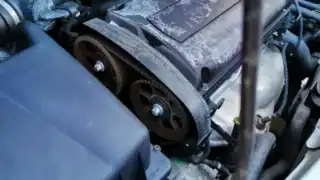
Engine and transmission work. Japanese engines and gearboxes are engineered with tight tolerances. We diagnose transmission concerns using maker-specific procedures, replace worn gaskets with OEM-spec equivalents, and address common issues like timing chain wear in older models or CVT fluid breakdown in newer vehicles. We source genuine or high-quality aftermarket parts that meet Japanese specifications — not generic replacements that compromise fit or longevity.
Suspension, braking, and steering. Japanese vehicles often have tighter suspension tolerances than other makes. We inspect and replace suspension components using the correct specifications, and many Japanese 4WDs require specific procedures for independent suspension diagnostics. Brake systems — whether traditional hydraulic or newer ABS setups — are tested against Japanese manufacturer performance standards. Steering components are aligned and adjusted to factory tolerances to restore precise handling.
Electrical and cooling systems. Japanese vehicles use complex electrical networks that vary significantly between brands. We diagnose battery drain, alternator faults, and wiring issues methodically using OEM wiring diagrams. Cooling systems are pressure-tested and flushed with fluids that match the original specification — using the wrong coolant type can damage Japanese engine components and cause corrosion in aluminium components.
What Affects the Cost and Time Required
Several factors shape how much repair work costs and how long it takes. Understanding these helps you avoid surprises and plan accordingly.
Parts availability. Japanese vehicles use globally standardised parts, which usually means sourcing is straightforward. Genuine Japanese parts are often in stock or arrive quickly through our parts network. Aftermarket alternatives are widely available and of good quality when you choose OEM-spec equivalents. Rare or imported components may take longer but are rarely necessary for common repairs on standard models.
Severity and complexity. A simple brake pad replacement takes a couple of hours. A transmission diagnosis with subsequent repair might require a full day or more. A check engine light investigation could be quick if it’s a loose fuel cap, or require several hours of diagnostic work if it’s an oxygen sensor or catalytic converter issue. We explain what we’re finding and discuss your options before we start pulling your vehicle apart.
Vehicle condition and maintenance history. A well-maintained Japanese vehicle with regular servicing typically costs less to repair because underlying issues haven’t compounded. Vehicles that have skipped services may need additional work to address neglected systems — a transmission that hasn’t had a fluid change might need more extensive repair than one serviced on schedule.
OEM versus aftermarket parts. Genuine Japanese manufacturer parts cost more upfront but often last longer and fit more precisely. Quality aftermarket parts — especially for suspension, brakes, and filters — offer genuine savings without sacrificing reliability. We discuss both options and let you choose what suits your budget and the vehicle’s expected lifespan.
Why Japanese Vehicle Owners in Gatton Choose Us
Many drivers in Gatton assume they need to travel to Ipswich or Toowoomba for specialist mechanical work on their Japanese vehicles. They don’t. We’re a full-service workshop handling everything from daily-driver maintenance to complex diagnostics and repairs on Japanese vehicles of all types — from compact city cars to 4WDs and commercial utes. We understand Japanese vehicle ownership in rural Queensland, where reliability and uptime matter.
We specialise in honest advice and straight pricing. No upselling, no unnecessary jobs. If your vehicle needs work, we explain it clearly and discuss your options. Japanese vehicles mechanic work requires the right approach and the right knowledge — and we have both because we’ve been working on them for years in Gatton and the surrounding area.
We source parts locally where possible and handle everything in-house — suspension work, tyre fitting and supply, roadworthy certificates, diagnostic scanning. It’s all done on-site without multiple trips or referrals to other workshops. We also service fleet and commercial vehicles, so we understand the pressure of keeping your vehicle on the road and working efficiently. Whether you’re a farmer with a Nissan ute, a commuter with a Toyota sedan, or running a small fleet, we know what you need.
Book Your Japanese Vehicles Mechanic Service in Gatton
If your Japanese vehicle is showing warning signs, needs regular servicing, or you’re looking for a reliable mechanic you can trust, we’re here to help. Call Us Now or Book Your Free Inspection to discuss what your vehicle needs. We’ll answer your questions, give you a clear picture of what’s required, and get you back on the road.