Limited Time: Free Windscreen Wipers With Any Service. Subject To Availability.

Locally Owned & Operated
Honest Upfront Pricing
5★ Reviews
All Makes & Models

Verified 5★ Reviews

Certified Brake Fluid Change In Gatton

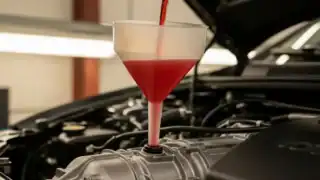
Brake fluid absorbs moisture over time, reducing braking performance and safety. At Gatton Automotive Solutions, we flush and replace your fluid to factory spec, then test the full system.

One-Stop Workshop

Honest Advice

5★ Reviews

Safety-Critical Fluid Work

Book Your Free Inspection

Tell us what you need and we'll get back to you with a clear quote.

Booking Form
  • Vehicle Details
  • Confirm Vehicle
  • Services
  • Contact Details
Honest Quotes
All Vehicle Types
Local & Reliable

Why Book With Us

Book Your Free Inspection
Drop Off Your Vehicle
We Get to Work
Collect Your Car

Brake fluid is the hydraulic backbone of your braking system. Every time you press the pedal, it’s this fluid that transfers force through the lines to clamp your brake pads against the rotors. A brake fluid change might not be on most drivers’ radar the way an oil service is, but over time the fluid absorbs moisture from the air, and that moisture quietly reduces its boiling point and its ability to do its job. For drivers in Gatton and across the Lockyer Valley, we carry out this service regularly as part of a broader brake inspection, and we see firsthand what neglected fluid looks like.

Why Brake Fluid Degrades Over Time

Most brake fluids are hygroscopic, meaning they attract and absorb water vapour through tiny amounts of moisture in the system. This sounds minor, but it has real consequences. Fresh DOT 4 fluid (the most common type in modern vehicles) has a dry boiling point well above 230 degrees Celsius. Once it absorbs even a small percentage of water, that boiling point can drop significantly. When fluid boils under hard braking, it creates vapour bubbles in the line, and vapour compresses where fluid does not. The result is a spongy, unresponsive pedal exactly when you need firm, reliable braking most.

Signs Your Brake Fluid Needs Attention

There are a few clear indicators that your fluid may be due for a change, or that something else in the braking system needs inspection:

  • Soft or spongy brake pedal that requires more pressure than usual, or sinks closer to the floor before biting
  • Dark or discoloured fluid visible in the reservoir under the bonnet, rather than the pale yellow or clear colour of fresh fluid
  • Brake warning light on the dash, which may indicate low fluid level alongside a potential leak or pad wear
  • Reduced stopping performance, particularly noticeable on longer downhill sections or under repeated hard braking
  • Fluid that has not been changed in two years or more, regardless of how the brakes feel

Some vehicles will flag a brake service reminder in the instrument cluster. Others simply rely on time and mileage intervals. If you’re unsure when your fluid was last replaced, it’s worth having it checked.

What We Do During a Brake Fluid Service

We don’t just drain the reservoir and top it up. A proper brake fluid change involves flushing the old fluid completely from the system, including the lines running to each wheel. Old fluid left in the lines will contaminate fresh fluid almost immediately, so a full system bleed is the only way to do the job properly.

Our process includes:

  • Checking the current fluid condition visually and noting its colour and clarity
  • Inspecting the reservoir cap and seal for signs of moisture ingress or deterioration
  • Bleeding each brake caliper in the correct sequence to purge old fluid through the system
  • Refilling with the correct specification fluid for your vehicle, whether that’s DOT 3, DOT 4, or DOT 5.1
  • Checking pedal feel and brake response after the flush to confirm the system is operating correctly

While the brakes are accessible, we’ll also look at pad thickness, rotor condition, and the state of brake lines and hoses. If we notice anything worth discussing, we’ll let you know what we found and what your options are, with no pressure to proceed on the spot.

What Affects the Cost and Time Involved

A brake fluid flush is generally a straightforward service, but a few variables can affect how long it takes and what’s involved. Vehicle type matters, as larger vehicles with more complex brake systems (including four-wheel drive setups with rear drum brakes or integrated ABS modulators) can take longer to bleed correctly. The condition of the bleeder screws also plays a role, as old or corroded bleeders on high-kilometre vehicles may need extra work to free up without damage.

The grade of fluid specified for your vehicle also affects parts cost. Some newer vehicles require a higher-specification fluid that carries a different price to standard DOT 4. We’ll always use the correct spec for your make and model. We source parts and fluids through the workshop, so we’re not sending you elsewhere for anything.

Brake Fluid Service in Gatton, Done Properly

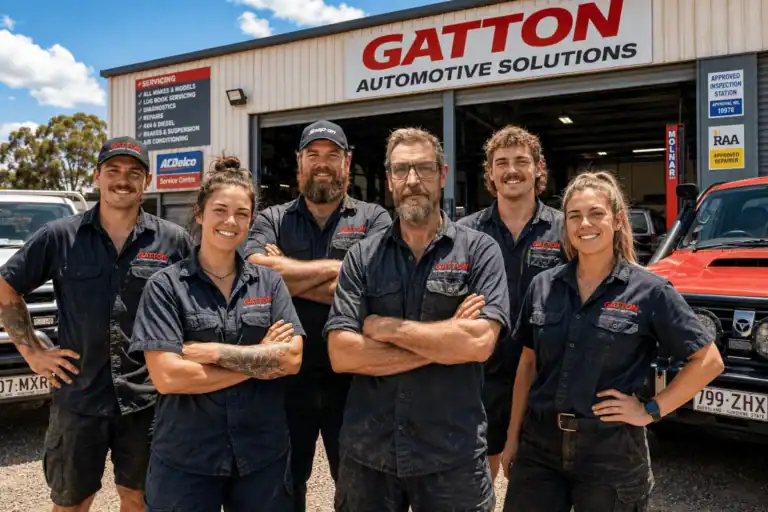
Gatton Automotive Solutions handles everything from everyday passenger cars to 4WDs, utes, trucks, and heavy equipment. A brake fluid service is just one of the things we do as part of looking after vehicles properly, and we approach it the same way whether it’s a small hatchback or a work vehicle. Locally owned and operated in Gatton, we’re here for Lockyer Valley drivers who’d rather not make an 80-kilometre round trip to Toowoomba or Ipswich for a service that can be handled at home.

With five-star reviews, the feedback we hear most often is that people appreciate straight answers and honest work. We won’t recommend a brake fluid change if the vehicle genuinely doesn’t need one, and we won’t skip it when it does.

To book your brake inspection or fluid service, use the Book Your Free Inspection button on this page, or Call Us Now and we’ll answer any questions before you commit to anything.
Other Services

Whatever your needs we have you covered, see some similar services below or click "See All Services" to explore our full service offering.

Your Local Workshop for Every Vehicle

Gatton Automotive Solutions is the one-stop shop for cars, 4WDs, trucks, and heavy equipment. Honest advice and fair pricing, right here in Gatton.

Honest Pricing, No Surprises

We tell you what’s needed and what it costs before we start. No upselling, no pressure.

Everything Under One Roof

Bring your car in and we’ll inspect it, explain what we find, and quote you upfront.

Brake Safety Inspection Included

We inspect your whole brake system while we’re in, not just swap the fluid.

How Brake Fluid Change Works

From booking your free inspection to driving away with fresh fluid, here's the straightforward process we follow.

Step 1

Book Your Free Inspection

Call Us Now or book online to arrange your brake fluid check and get clarity on what's needed.

Step 2

Fluid Condition Assessment

We test your current brake fluid for moisture, contamination, and condition using professional testing methods.

Step 3

Complete Fluid Replacement

We flush the old fluid from your entire brake system and refill with fresh, manufacturer-spec brake fluid.

Step 4

System Test and Ready

We test your brakes for responsiveness and proper feel, then hand back your vehicle safe and ready.

Five-Star Rated

Verified 5★ Reviews

Quality Parts From Trusted Suppliers

We use genuine and quality aftermarket parts from reputable suppliers. You get reliable components backed by proper warranties.

Book Your Free Inspection

Tell us what you need and we'll get back to you with a clear quote.

Booking Form
  • Vehicle Details
  • Confirm Vehicle
  • Services
  • Contact Details
Honest Quotes
All Vehicle Types
Local & Reliable

Why Book With Us

Book Your Free Inspection
Drop Off Your Vehicle
We Get to Work
Collect Your Car

Frequently Asked Questions

Browse answers to common questions about our services. Can't find what you're after? Give us a call and we'll help.

Most vehicle manufacturers recommend changing brake fluid every two years or every 40,000 kilometres, whichever comes first. Brake fluid absorbs moisture over time, which lowers its boiling point and reduces braking performance. If you do a lot of towing, drive in hilly areas, or your car has seen a lot of stop-start traffic, more frequent changes can be worthwhile. The best way to know where you stand is to have the fluid tested, which we can do as part of your next service.

Old brake fluid absorbs moisture from the air, and that moisture causes two problems. First, it lowers the boiling point of the fluid, which can lead to brake fade, where the pedal goes soft under heavy braking. Second, it promotes corrosion inside the brake lines, callipers, and master cylinder. In serious cases, this leads to component failure. If your brakes feel spongy, the pedal sinks lower than usual, or braking feels less sharp, get the system checked promptly.

Under ACCC guidance, Australian consumers are generally not required to have their vehicles serviced at a dealership to maintain their manufacturer warranty, provided the work is carried out by a qualified mechanic using appropriate fluids and parts. This is general information, not legal advice, and we recommend checking your specific warranty terms if you have any concerns. We stamp and record all service work, so your logbook stays up to date regardless of where your car was bought.

We drain the old fluid from the brake reservoir and flush it through the entire hydraulic system, which includes the brake lines, callipers, and wheel cylinders. Fresh fluid is then filled to the correct specification for your vehicle. We also check the condition of the reservoir cap, inspect visible brake components for wear or leaks, and test the pedal feel once the system is refilled. The whole process is typically completed the same day, and you can wait while it is done.

The main variables are the type of fluid your vehicle requires and whether any related issues are found during the service. Most passenger cars use DOT 4 fluid, but some vehicles specify DOT 5.1 or a specific OEM-grade fluid, which can affect the price. If the flush reveals corroded fittings, a leaking calliper, or a damaged reservoir, we will let you know before doing any additional work. At Gatton Automotive Solutions, we give you a clear picture of what is needed before anything extra is quoted.

The most reliable method is a moisture content test using a simple probe, which measures how much water has been absorbed into the fluid. Visually, healthy brake fluid is a pale amber colour. If it looks dark brown or black, it is well overdue. A soft or spongy brake pedal can also point to degraded fluid, though that symptom has other possible causes too. If you are not sure, bring your car in and we will test it for you.

Dark brake fluid is a sign it has absorbed significant moisture and is well past its useful life. While your brakes may still function in normal conditions, the risk of brake fade increases under heavy or repeated braking, such as on long downhill stretches or in an emergency stop. It is not worth delaying the change. Book Your Free Inspection and we can assess the fluid condition and advise on the next step.

Most modern passenger vehicles use DOT 4 fluid, though some performance cars and certain European models require DOT 5.1. Your owner’s manual will specify the correct grade, and it is important not to mix types. Using the wrong fluid can affect the boiling point and damage seals inside the hydraulic system. When you bring your car to Gatton Automotive Solutions, we check the correct specification before starting any work so the right fluid is always used.

A brake fluid flush typically takes between 30 and 60 minutes for most passenger vehicles. The time can vary slightly depending on the vehicle’s hydraulic system layout and whether any complications arise during the process. In most cases it is a same-day job, and customers in Gatton are welcome to wait on-site while the work is carried out. We will always let you know if anything unexpected comes up before proceeding.

Topping up the reservoir addresses a low fluid level but does not remove the moisture-saturated fluid already in the system. The old fluid sitting in the lines, callipers, and wheel cylinders still has a reduced boiling point and can still cause corrosion over time. A full flush replaces all the fluid in the hydraulic circuit, not just what is in the reservoir. If your level keeps dropping without a flush, that can also point to a slow leak worth investigating.

Continue to site