Japanese vehicles have earned a strong following across the Lockyer Valley for good reason. Toyotas, Hondas, Mazdas, Mitsubishis, Subarus, and Nissans are everywhere on Gatton roads, in driveways, on farms, and towing gear out to job sites. Japanese Vehicles Car Servicing at Gatton Automotive Solutions means your car gets the attention it was built to receive, with parts and fluids matched to Japanese manufacturer specifications and technicians who know these vehicles well. Whether you’re driving a Corolla doing daily school runs or a HiLux that hasn’t had a break in years, keeping up with proper servicing is what keeps them running reliably for the long haul.
Common Signs Your Japanese Vehicle Is Due for Servicing
Japanese cars are generally reliable, but they do tell you when something’s off if you know what to look for. The most common trigger is simply the manufacturer’s service interval, usually every 10,000 to 15,000 km depending on the make and model, though some Mazda and Subaru models have condition-based indicators that alert you via a dashboard light when service is approaching.
Outside of scheduled intervals, these are signs worth acting on:
- Oil or coolant warning lights appearing on the dashboard
- The engine running rougher than usual, especially on cold starts
- Fuel consumption creeping up without obvious explanation
- Brake feel that’s softer or less responsive than normal
- Vibration through the steering wheel or seat, particularly on highway speeds
- Transmission hesitation or rough gear changes in automatic models
- A burning smell, oil drips on the driveway, or visible fluid leaks
Many of these symptoms are easy to ignore when your car is still moving. But Japanese vehicles are designed to operate within tight tolerances, and running old oil or worn components puts extra strain on the entire drivetrain. Catching issues at a service is almost always cheaper than dealing with the same problem after a breakdown.
What’s Included in a Japanese Vehicle Service at Our Gatton Workshop
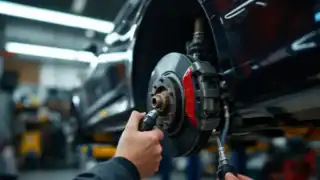
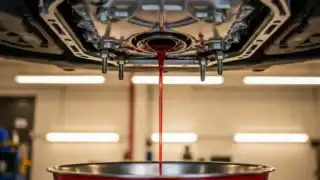
We work through each vehicle methodically, starting with the manufacturer’s recommended service schedule for that specific make and model. A standard service typically covers an oil and filter change using a viscosity grade matched to Japanese OEM specifications, a thorough inspection of the braking system including pads, rotors, and lines, and a check of all fluid levels including coolant, brake fluid, power steering fluid, and transmission fluid where applicable.
We also inspect belts and hoses, check tyre condition and pressure, test the battery, and run through lights, wipers, and basic electrical functions. For vehicles with a logbook, we stamp and record the service to maintain your service history, which matters for both warranty purposes and resale value.
Make-Specific Considerations We Check For
Different Japanese manufacturers have their own quirks and known maintenance points. Toyota HiLux and LandCruiser models popular around the Lockyer Valley often need particular attention to diff oils and transfer case fluid, especially if they’re working on properties or towing regularly. Subaru vehicles with their horizontally-opposed engines need oil checked more carefully between services, and the head gaskets on older EJ-series engines are worth monitoring. Honda CVT transmissions respond badly to fluid neglect, and Nissan’s timing chain systems in certain models benefit from regular oil changes with the correct weight oil to prevent stretch and rattle.
We factor in these make-specific details as a normal part of how we approach each vehicle, not as upsells. If something needs attention based on your model’s history, we’ll tell you straight.
What Affects the Time and Cost of Servicing a Japanese Vehicle in Gatton?
A minor service on a standard Japanese passenger car is typically a straightforward job. A major service, which covers additional items like spark plugs, air filters, fuel filters, and a more detailed inspection, will take longer and cost more depending on parts pricing for your specific model. Genuine or genuine-equivalent parts for Toyota, Honda, Mazda, and other Japanese brands are widely available, which keeps parts costs reasonable compared to some European alternatives.
Variables that affect overall cost include the age and condition of the vehicle, whether any additional repairs come up during the inspection, the type of oil required, and whether your model uses standard parts or harder-to-source components. We source parts directly, so you’re not paying a markup for parts we’ve had to track down elsewhere. We’ll always talk through what’s needed before we start any work beyond the agreed service scope.
Why Gatton Automotive Solutions for Your Japanese Vehicle?
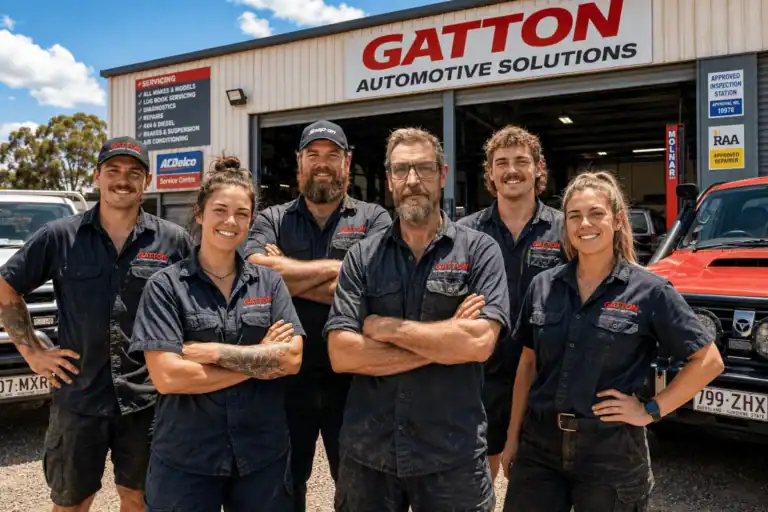
We’re a locally owned workshop in Gatton, and the breadth of what we handle under one roof is genuinely different from most small regional shops. Beyond standard car servicing, we handle 4WDs, light and heavy trucks, farm equipment, roadworthy certificates, suspension upgrades, tyre fitting, and smash repairs with in-house custom paintwork. If your Japanese 4WD needs a service, new tyres, and a minor dent fixed, you can get all of that done here without driving to Ipswich or Toowoomba.
With five-star reviews from local customers, our reputation is built on straightforward advice, fair pricing, and not recommending work that isn’t needed. Fleet operators across the Lockyer Valley bring their vehicles here for the same reason: they need honest assessments and turnaround they can plan around.
If your Japanese vehicle is due for a service or something doesn’t feel right, Call Us Now or Book Your Free Inspection online. We’ll let you know exactly what’s needed and get it sorted right here in Gatton.