Limited Time: Free Windscreen Wipers With Any Service. Subject To Availability.

Locally Owned & Operated
Honest Upfront Pricing
5★ Reviews
All Makes & Models

Verified 5★ Reviews

Highly Rated Japanese Vehicles Brake Fluid Change In Gatton

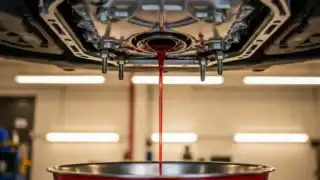
Brake fluid degrades over time and absorbs moisture, reducing braking performance and safety. At Gatton Automotive Solutions, we change your Japanese vehicle's fluid to factory spec and inspect the full braking system while you wait.

One-Stop Workshop

Honest Advice

5★ Reviews

Japanese Brake Specialists

Book Your Free Inspection

Tell us what you need and we'll get back to you with a clear quote.

Booking Form
  • Vehicle Details
  • Confirm Vehicle
  • Services
  • Contact Details
Honest Quotes
All Vehicle Types
Local & Reliable

Why Book With Us

Book Your Free Inspection
Drop Off Your Vehicle
We Get to Work
Collect Your Car

Brake fluid is one of those things that most drivers never think about until something goes wrong. For Japanese vehicles in particular, a regular brake fluid change is a straightforward service that plays a direct role in how safely your car stops. The fluid works by transferring the pressure from your foot on the pedal through the hydraulic system to the brake callipers and wheel cylinders. Over time it absorbs moisture from the air, which lowers its boiling point and reduces braking performance. At Gatton Automotive Solutions, we carry out Japanese Vehicles Brake Fluid Changes as part of our broader Japanese vehicle servicing, and we see first-hand how much difference fresh fluid makes to braking feel and reliability.

Why Brake Fluid Degrades Faster in Japanese Vehicles Than You Might Expect

Japanese manufacturers including Toyota, Honda, Mazda, Subaru, Mitsubishi, and Nissan typically specify DOT 3 or DOT 4 brake fluid in their vehicles. Both types are glycol-based, which means they are hygroscopic – they actively draw in moisture through the brake lines and reservoir cap over time. This is not a flaw; it is by design, since the fluid absorbs moisture rather than allowing it to pool and corrode brake components. But it does mean that fluid which looks clean in the reservoir may still be well past its useful life.

Subaru’s logbook, for example, recommends a brake fluid change every two years regardless of kilometres travelled. Toyota and Honda follow a similar two-year interval across most of their passenger and 4WD lineups. Mitsubishi Triton and Nissan Navara owners in agricultural areas like the Lockyer Valley tend to cover high annual kilometres and regularly tow, which puts additional thermal load on the braking system and can accelerate fluid degradation even further.

Signs Your Japanese Vehicle’s Brake Fluid Needs Replacing

Brake fluid deterioration is not always obvious, but there are a few reliable signs worth paying attention to.

  • Spongy or soft brake pedal: If the pedal has more travel than usual before the brakes engage, moisture contamination and air in the lines could be contributing factors.
  • Brake pedal that sinks under sustained pressure: This is particularly important in stop-start traffic or when holding on a hill. Fresh fluid maintains consistent pedal feel under load.
  • Discolouration in the reservoir: New brake fluid is pale yellow or almost clear. Dark, murky fluid has absorbed significant moisture and should be replaced.
  • Longer stopping distances: Degraded fluid can vapourise under heavy braking – a condition called brake fade – because its boiling point has dropped too low to handle the heat generated.
  • Fluid last changed more than two years ago: Most Japanese manufacturer logbooks flag this interval even if the vehicle feels fine to drive.

What the Service Involves at Our Gatton Workshop

A brake fluid change on a Japanese vehicle is a methodical process, not a quick top-up. We start by checking the current fluid condition using a test strip or moisture meter, which gives us a clear picture of contamination levels before we begin. This is particularly relevant for vehicles like the Toyota LandCruiser or Subaru Forester where the ABS modulator and brake booster add complexity to the hydraulic circuit.

We then flush the old fluid from the entire system, working through each calliper bleed nipple in sequence to clear out degraded fluid from the furthest corners of the circuit. Fresh fluid meeting the manufacturer’s specified grade is introduced throughout. Where the vehicle’s service history or logbook specifies a particular fluid type, we match it. For most Japanese passenger cars and SUVs this means DOT 4, while some higher-performance variants may call for a higher-spec fluid. We follow the manufacturer’s specification, not a generic approach.

The service wraps up with a check of brake hose condition, calliper operation, and a visual inspection of pad and rotor wear. If we spot anything that needs attention, we’ll tell you plainly and let you decide how to proceed.

What Affects the Cost and Time for a Brake Fluid Change?

The main variables are the vehicle’s brake circuit complexity and how long it’s been since the fluid was last changed. A straightforward Japanese hatchback or sedan is a fairly quick job. A dual-cab ute with a rear drum and front disc setup, or a 4WD with a more involved ABS system, will take a little longer to flush fully. Using OEM-specification or genuine-equivalent fluid makes a difference too, particularly for models where the manufacturer calls for a specific formulation. We’ll let you know what’s involved for your specific vehicle before we start.

Servicing Your Japanese Vehicle in Gatton, Without Driving to Ipswich or Toowoomba

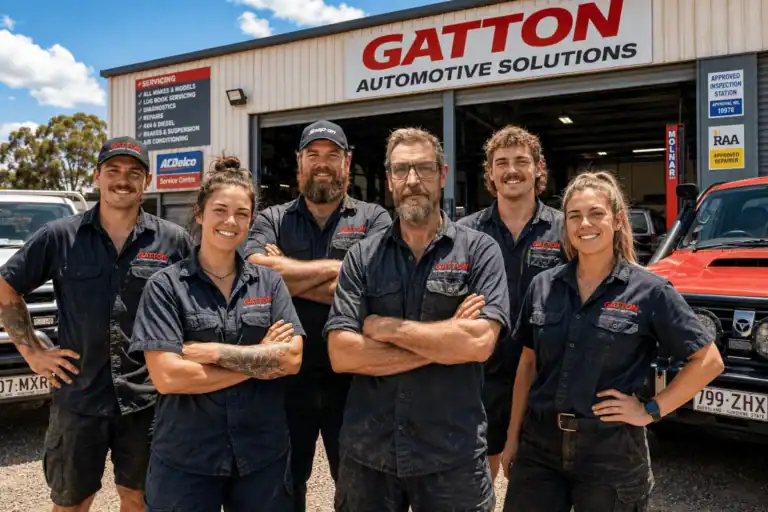
Gatton Automotive Solutions looks after everything from everyday Japanese passenger cars to commercial utes and agricultural machinery, all from our Gatton workshop. There’s no need to take a day out of your schedule to drive to the city for a routine brake fluid service. We handle parts sourcing in-house, which keeps things moving without unnecessary delays.

We also carry out roadworthy certificates, tyre fitting, suspension work, and smash repairs on-site, so if your Japanese vehicle needs more than just fresh brake fluid, we can take care of it in the same visit. Our pricing is straightforward, and we won’t suggest work that isn’t needed. With five-star reviews from local drivers, our reputation in the Gatton area speaks for itself.

If your brake pedal has been feeling a bit soft, or your last fluid change was more than two years ago, it’s worth getting it looked at. Book Your Free Inspection online or Call Us Now to arrange a time at our Gatton workshop.
Other Services

Whatever your needs we have you covered, see some similar services below or click "See All Services" to explore our full service offering.

Your Local Workshop for Every Vehicle

Gatton Automotive Solutions is the one-stop shop for cars, 4WDs, trucks, and heavy equipment. Honest advice and fair pricing, right here in Gatton.

Honest Pricing, No Surprises

We tell you what’s needed and what it costs before we start. No upselling, no pressure.

Everything Under One Roof

Bring your car in and we’ll inspect it, explain what we find, and quote you upfront.

Japanese Vehicle Brake Expertise

We know Japanese brake systems inside out and source OEM-spec parts to keep your car safe.

How Japanese Brake Fluid Change Works

Your brake fluid gets inspected, flushed, and replaced with the right spec for your Japanese vehicle.

Step 1

Book Your Free Inspection

Call Us Now or book your free inspection online to get your Japanese vehicle's brake fluid checked.

Step 2

Brake Fluid System Assessment

We test your fluid condition, check brake lines for wear, and confirm the correct Japanese OEM specification.

Step 3

Fluid Flush and Replacement

We flush the entire brake system and refill with genuine Japanese-spec brake fluid to factory standards.

Step 4

System Test and Handover

We test brake responsiveness, check for leaks, and hand your vehicle back with confidence and peace of mind.

Five-Star Rated

Verified 5★ Reviews

Quality Parts From Trusted Suppliers

We use genuine and quality aftermarket parts from reputable suppliers. You get reliable components backed by proper warranties.

Book Your Free Inspection

Tell us what you need and we'll get back to you with a clear quote.

Booking Form
  • Vehicle Details
  • Confirm Vehicle
  • Services
  • Contact Details
Honest Quotes
All Vehicle Types
Local & Reliable

Why Book With Us

Book Your Free Inspection
Drop Off Your Vehicle
We Get to Work
Collect Your Car

Frequently Asked Questions

Browse answers to common questions about our services. Can't find what you're after? Give us a call and we'll help.

Most Japanese vehicle manufacturers recommend changing brake fluid every two years or 40,000 kilometres, whichever comes first. That said, the actual interval can vary depending on your specific make and model, how the car is used, and the condition of the existing fluid. Vehicles doing a lot of towing, hill driving, or stop-start city work may need it sooner. Checking your owner’s manual is a good starting point, and our team can assess the fluid’s condition during any service visit.

We drain the old fluid from the brake system, flush the lines, and refill with fresh fluid that meets your vehicle’s specified grade. The process includes bleeding each brake calliper or wheel cylinder to remove air from the lines, which is important for maintaining firm, consistent pedal feel. We also do a visual check of the brake lines and master cylinder while we’re in there. The whole job is typically completed within an hour or so, and your car is ready to drive away the same day.

Brake fluid absorbs moisture from the air over time, which lowers its boiling point. When the boiling point drops too far, heavy braking can cause the fluid to vaporise inside the lines, creating air bubbles that give you a spongy or sinking pedal. In serious cases, this can significantly reduce your stopping ability. Corroded brake lines and seals are another consequence of letting contaminated fluid sit too long. Brake fluid is one of those maintenance items that’s easy to overlook but genuinely matters for safety.

Under ACCC guidance, Australian consumer law generally allows you to have your vehicle serviced by a qualified independent mechanic without voiding your manufacturer warranty, provided the work is carried out to the required standard and the correct fluid specifications are used. This is general information rather than legal advice, and we’d recommend checking your specific warranty terms to be sure. Our team uses fluids that meet manufacturer specifications for Japanese vehicles, and we can stamp your logbook as part of the service.

Japanese manufacturers typically specify DOT 3 or DOT 4 glycol-based fluids, which are hygroscopic, meaning they absorb moisture from the atmosphere over time. The two-year service interval recommended by most Japanese brands reflects how quickly this moisture uptake can degrade fluid quality in real-world conditions, particularly in Queensland’s humidity. European vehicles sometimes use longer-life fluids, but that doesn’t mean Japanese vehicles have inferior brake systems. It simply means the fluid itself needs more regular attention. Following the manufacturer’s schedule keeps the system performing as intended.

A soft or spongy brake pedal is the most noticeable sign. You might also notice the pedal sinking closer to the floor than usual under firm braking. Dark or discoloured fluid visible through the reservoir cap is another indicator that contamination has built up. Some workshops use test strips that measure moisture content in the fluid. If you’re unsure about the condition of your fluid, it’s worth having it checked rather than waiting until the next scheduled service.

The large majority of Japanese passenger cars and SUVs run on DOT 3 or DOT 4 fluid, with DOT 4 increasingly common in newer models due to its higher boiling point. Performance-oriented Japanese vehicles, including some Subaru models and sportier Mazda variants, may specify DOT 4 as standard. Using the wrong grade can affect brake performance and may cause seal degradation over time. We check the manufacturer’s specification for your specific vehicle before filling to make sure the right fluid goes in.

The cost depends on the type of fluid specified for your vehicle, the volume needed to flush and fill the system, and whether any other brake work is identified during the inspection. DOT 4 fluid typically costs a little more than DOT 3. Vehicles with larger brake systems, such as 4WDs and utes, may require more fluid than a standard sedan. The best way to get an accurate figure is to Call Us Now or Book Your Free Inspection so we can quote based on your specific vehicle.

Yes, we service all Japanese makes including Toyota, Mazda, Honda, Subaru, Mitsubishi, Nissan, and others. Our team is familiar with the service schedules and fluid specifications across these brands. Switching to an independent workshop doesn’t mean starting fresh with your logbook. We can continue from where your service history left off, using the correct fluid grades and completing all the associated checks. If you’re in or around Gatton, there’s no need to drive to Ipswich or Toowoomba for a straightforward brake fluid service.

It depends on when your fluid was last changed and how it’s performing now. If you’re within the two-year or 40,000 kilometre window and there are no symptoms, combining it with your next scheduled service is usually reasonable. But if your pedal feels soft, the fluid looks dark, or you’re well overdue, delaying it isn’t worth the risk. At Gatton Automotive Solutions, we’re happy to check your fluid condition without committing you to the full service, so you can make an informed call rather than guessing.

Continue to site