
Limited Time: Free Windscreen Wipers With Any Service. Subject To Availability.

Locally Owned & Operated
Honest Upfront Pricing
5★ Reviews
All Makes & Models

Verified 5★ Reviews

Tried & Trusted Japanese Vehicles Transmission Service In Gatton

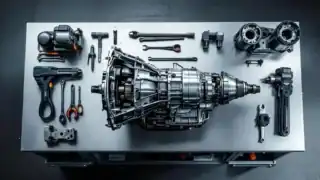
We service and repair Japanese vehicle transmissions in Gatton with transparent diagnostics and honest advice. Whether it's fluid changes, repairs, or rebuilds, we'll get your transmission sorted.

One-Stop Workshop

Honest Advice

5★ Reviews

Japanese Transmission Pros

Book Your Free Inspection

Tell us what you need and we'll get back to you with a clear quote.

Booking Form
  • Vehicle Details
  • Confirm Vehicle
  • Services
  • Contact Details
Honest Quotes
All Vehicle Types
Local & Reliable

Why Book With Us

Book Your Free Inspection
Drop Off Your Vehicle
We Get to Work
Collect Your Car

Japanese vehicles have earned a well-deserved reputation for reliability, but even a well-maintained Toyota, Nissan, Mazda, Mitsubishi, Subaru, or Honda will eventually need attention paid to its transmission. A Japanese Vehicles Transmission Service addresses one of the most mechanically complex and load-bearing systems in the vehicle, covering everything from fluid condition and filter integrity to clutch pack wear and solenoid function. For drivers in Gatton and across the Lockyer Valley, keeping this system in good shape is one of the better investments you can make in your vehicle’s long-term health.

Signs Your Japanese Vehicle’s Transmission Needs Attention

Transmission problems rarely appear out of nowhere. Most issues build gradually, and catching them early is the difference between a straightforward service and a much more involved repair. Japanese automatic transmissions are generally well-engineered, but they have known sensitivity to fluid degradation and heat cycling, particularly in vehicles used for towing or regular highway runs.

Keep an eye out for any of the following:

  • Delayed engagement when shifting from Park into Drive or Reverse, with a noticeable pause before the vehicle moves
  • Slipping between gears, where the engine revs climb but the vehicle doesn’t accelerate as expected
  • Shuddering or vibration during low-speed acceleration, especially common in Toyota and Mazda vehicles with older fluid
  • Harsh or jerky gear changes that feel abrupt rather than smooth
  • Dark, burnt-smelling transmission fluid found during a routine check under the bonnet
  • A transmission warning light or general check engine light triggered by a transmission-related fault code
  • Fluid leaks under the vehicle, particularly toward the centre or rear of the vehicle

CVT transmissions, fitted to a wide range of Nissan, Subaru, and Mitsubishi models, have their own service requirements and can produce a distinctive droning or whining noise when fluid condition deteriorates. These units should never be serviced with generic transmission fluid; they require CVT-specific fluid to maintain correct belt and pulley operation.

What a Transmission Service for Japanese Vehicles Actually Involves

Not every transmission service is the same, and the right approach depends on the vehicle’s make, model, age, current fluid condition, and how it’s been used. When your vehicle comes in, we start by pulling any stored fault codes from the transmission control module, since modern Japanese vehicles log data that can pinpoint solenoid faults, temperature irregularities, and shift timing issues long before symptoms become obvious to the driver.

From there, we inspect the fluid both visually and by feel. Fresh automatic transmission fluid (ATF) is typically clear and slightly pink or red; fluid that’s dark brown or smells burnt tells us a lot about the internal condition before we even open the pan. We then carry out a drain and refill or a more thorough pan-drop service depending on what we find, replacing the filter where applicable and cleaning the pan of any accumulated material.

For Toyota models using the WS (World Standard) ATF, or Subaru vehicles calling for Subaru Genuine ATF, we source and use fluids that meet the manufacturer’s specifications. Using the wrong fluid in a Japanese transmission is one of the more common causes of post-service shuddering and premature wear, so this is a step we take seriously. Where a vehicle has a sealed unit with no traditional dipstick, we use the appropriate procedure for that specific model rather than guessing.

If further diagnostics reveal worn solenoids, a failing torque converter, or internal mechanical wear, we’ll explain exactly what’s been found and what the realistic options are before any further work is approved. No surprises, no unnecessary parts on the invoice.

What Affects the Cost and Time for a Gearbox Service in Gatton

Transmission service costs vary more than most people expect, and for good reason. A straightforward fluid and filter service on a common Mazda or Toyota automatic is a different scope of work to diagnosing and repairing a slipping CVT on a Nissan X-Trail or a valve body fault in a Subaru Forester. The primary variables are the service type required, the specific fluid specification for that model, whether parts such as a filter kit or solenoid need replacing, and the current condition of the unit.

Vehicles that have gone extended periods without transmission maintenance typically require more involved work to bring the fluid back to specification safely. In some cases, a step-by-step fluid exchange is preferable to a single full drain on a high-mileage unit, and we’ll advise you honestly on the approach that makes the most sense for your vehicle rather than defaulting to the quickest or most profitable option.

Why Gatton Drivers Bring Their Japanese Vehicles to Us

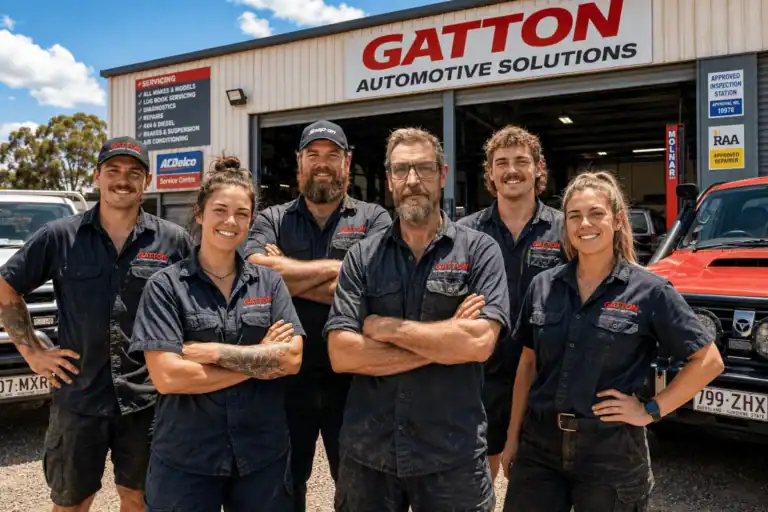
Gatton Automotive Solutions is a full-service workshop handling everything from everyday passenger cars to 4WDs, trucks, heavy equipment, and agricultural machinery, all under one roof. You don’t need to drive to Ipswich or Toowoomba for transmission work on your Hilux, Navara, or CX-5 when qualified mechanical help is available right here in Gatton.

Our approach is straightforward: we diagnose first, explain what we’ve found, and only carry out work that’s genuinely needed. We handle parts sourcing in-house, which means we can specify the correct OEM-grade or manufacturer-equivalent fluids and components for your Japanese vehicle without delays. With five-star reviews from local drivers, we’ve built our reputation on the kind of honest, practical advice that keeps people coming back.

If your vehicle is showing any of the symptoms above, or it’s simply been a while since the transmission fluid was last checked, Book Your Free Inspection online or Call Us Now. We’re here for Gatton and Lockyer Valley drivers who want the job done properly the first time.
Other Services

Whatever your needs we have you covered, see some similar services below or click "See All Services" to explore our full service offering.

Your Local Workshop for Every Vehicle

Gatton Automotive Solutions is the one-stop shop for cars, 4WDs, trucks, and heavy equipment. Honest advice and fair pricing, right here in Gatton.

Honest Pricing, No Surprises

We tell you what’s needed and what it costs before we start. No upselling, no pressure.

Everything Under One Roof

Bring your car in and we’ll inspect it, explain what we find, and quote you upfront.

Make-Specific Transmission Knowledge

We source quality parts and apply make-specific know-how to Japanese transmission repairs.

How Japanese Transmission Service Works

From diagnosis to smooth shifting, here's how we handle Japanese transmission service in Gatton.

Step 1

Book Your Free Inspection

Call Us Now or book your free inspection online to discuss transmission symptoms and schedule your visit.

Step 2

Transmission Diagnostic Scan

We run a full diagnostic scan using Japanese-compatible equipment to identify fault codes and transmission condition.

Step 3

Transmission Repair Work

We repair or replace components using OEM-spec parts and Japanese manufacturer procedures for reliable performance.

Step 4

Test Drive and Handover

We test drive your vehicle to confirm smooth shifting, then walk you through the work completed and next steps.

Five-Star Rated

Verified 5★ Reviews

Quality Parts From Trusted Suppliers

We use genuine and quality aftermarket parts from reputable suppliers. You get reliable components backed by proper warranties.

Book Your Free Inspection

Tell us what you need and we'll get back to you with a clear quote.

Booking Form
  • Vehicle Details
  • Confirm Vehicle
  • Services
  • Contact Details
Honest Quotes
All Vehicle Types
Local & Reliable

Why Book With Us

Book Your Free Inspection
Drop Off Your Vehicle
We Get to Work
Collect Your Car

Frequently Asked Questions

Browse answers to common questions about our services. Can't find what you're after? Give us a call and we'll help.

A Japanese vehicles transmission service typically covers draining the old transmission fluid, inspecting the fluid condition and colour, cleaning or replacing the filter where applicable, refilling with fluid that meets the manufacturer’s specification, and checking for any leaks or abnormal wear. For automatic transmissions, we also check solenoid operation and overall unit behaviour during a road test. The goal is to catch early signs of wear before they turn into a costly rebuild or replacement.

Most Japanese vehicles benefit from a transmission service every 40,000 to 60,000 kilometres, though this varies by make, model, and how the vehicle is used. Towing, frequent stop-start city driving, and off-road use all increase the rate at which transmission fluid breaks down. Some manufacturers specify a longer interval, but if your fluid looks dark or smells burnt when we check it, that is a sign the service is overdue regardless of the kilometre reading.

Common signs include delayed engagement when shifting from park to drive, slipping between gears, shuddering or jerking during gear changes, and a burning smell coming from under the vehicle. On many Japanese automatics, you might also notice the transmission hunting between gears at highway speeds or hesitating before it selects the right gear. Any of these symptoms are worth getting looked at promptly. Transmission problems rarely fix themselves and usually get worse the longer they go unaddressed.

It is not recommended. A slipping transmission means the clutch packs or bands inside the unit are not fully engaging, which can overheat the fluid and accelerate internal wear. Continuing to drive in this condition risks turning a manageable service issue into a full transmission failure. If you notice slipping, shuddering, or delayed shifts, have the vehicle inspected as soon as you can rather than waiting for the next scheduled service.

Under Australian consumer law, and consistent with ACCC guidance, manufacturers generally cannot void your warranty simply because you used a qualified independent mechanic rather than a dealership, provided the work meets the manufacturer’s service requirements and is properly documented. This is general information, not legal advice, and your specific circumstances may vary. We record all work completed and use fluids that meet the relevant specifications, so your service history is maintained. If you have questions about your particular warranty, we are happy to talk it through.

Some Toyota models, particularly earlier Camry and HiAce variants, are known for torque converter shudder, which feels like a light vibration at light throttle around 60 to 80 kilometres per hour. Many Honda automatics, especially from the late 1990s through mid-2000s, had documented issues with third and fourth gear clutch pack wear. Regular fluid changes are one of the most effective ways to extend the life of both. If we see early signs of these known issues during a service, we will let you know before it becomes a bigger problem.

We use fluids that meet the original manufacturer’s specification for each vehicle. Toyota, Honda, Nissan, Mazda, Subaru, and Mitsubishi models often require specific fluid grades that differ from generic automatic transmission fluid. Using the wrong fluid can cause shuddering, seal damage, and premature wear, so we match the spec to the vehicle, not just the job. If you are unsure what your vehicle requires, we can check that when you bring it in.

Several factors influence the final price: whether the transmission has a serviceable filter or a sealed unit, the quantity and grade of fluid required, and whether any additional faults are found during the inspection. Larger vehicles like HiAce vans or Japanese-spec utes typically take more fluid than a standard sedan or hatchback. Here in Gatton, we aim to give you a clear picture of what is involved before work starts so there are no surprises on the invoice.

For most Japanese passenger vehicles, a transmission service can typically be completed within one to two hours. If the vehicle requires additional inspection work, or if faults are discovered that need further diagnosis, the time may extend. We will give you an honest estimate when you Book Your Free Inspection so you can plan your day accordingly.

In many cases, yes. Shuddering during light throttle or rough shifts are often caused by degraded or contaminated fluid rather than mechanical failure. Replacing the fluid and filter can restore smooth operation, particularly with torque converter shudder on vehicles where the fluid has not been changed in a long time. However, if internal components are already worn, a service alone may not fully resolve the issue. A proper inspection will give you a clearer answer before any work is carried out.

When you bring your vehicle in, we start by checking the current fluid level and condition before draining the old fluid. We inspect the filter or sump for metal particles or debris that might indicate internal wear. Fresh fluid meeting the manufacturer’s spec is then added, and we carry out a road test to check for any shifting irregularities. If we spot anything that needs further attention, we will go through the findings with you before proceeding.

Not quite. Continuously variable transmissions, fitted to many Nissan, Subaru, and Toyota models, use a different type of fluid specifically formulated for the belt and pulley system inside the unit. CVT fluid degrades differently from conventional automatic transmission fluid and should not be substituted. Servicing intervals for CVTs can also differ from a traditional automatic, so we always check the manufacturer’s recommendation for your specific model rather than applying a one-size-fits-all approach.

Continue to site