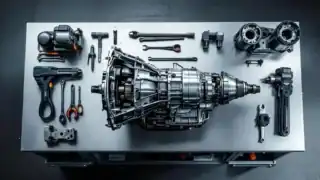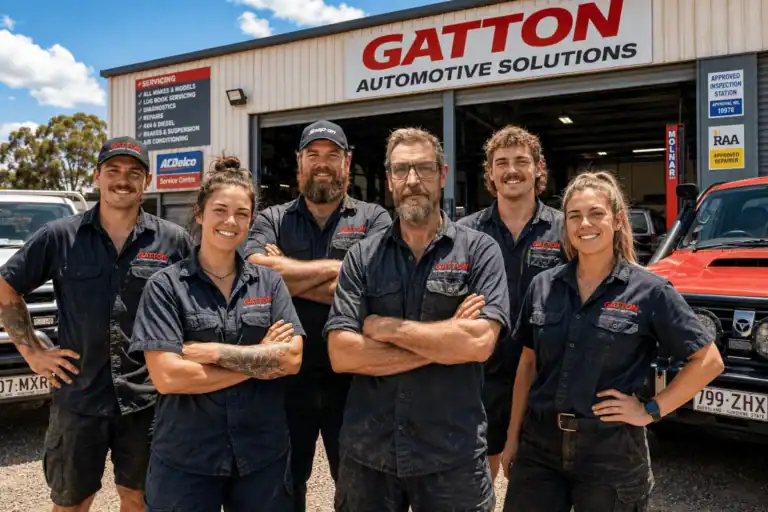
The transmission is one of the hardest-working parts of any vehicle, and Japanese cars, utes, and SUVs are no exception. Whether it’s a Toyota HiLux working the farm, a Mazda doing daily school runs, or a Subaru Forester loaded for a weekend away, Japanese vehicles transmission repair is something the team at Gatton Automotive Solutions handles regularly. These vehicles are generally well-built and reliable, but transmissions do wear over time, and catching a problem early is almost always cheaper than waiting until a full rebuild becomes unavoidable.
Warning Signs Your Japanese Vehicle’s Transmission Needs Attention
Transmission problems rarely appear overnight. Most start as small, easy-to-miss symptoms that gradually get worse. Japanese automatic and manual gearboxes tend to give a few clear warnings before things go seriously wrong.
- Delayed or harsh gear changes: If your Toyota, Nissan, or Mazda hesitates before engaging a gear, or shifts with a noticeable clunk, that’s worth investigating. Automatic transmissions in particular should shift smoothly and almost imperceptibly.
- Slipping between gears: The engine revs rise but the car doesn’t accelerate the way it should. This is a classic sign that the transmission isn’t transferring engine power efficiently.
- Shuddering at highway speed: Subaru CVT (continuously variable transmission) owners sometimes notice a vibration or shudder under load, particularly when merging onto a highway. CVTs have their own failure patterns that differ from conventional automatics.
- Fluid leaks under the car: Transmission fluid is typically a reddish colour. A puddle forming under the middle or rear of the vehicle after parking can indicate a seal or gasket problem.
- Warning lights: Many Japanese vehicles use OBD-II fault codes that point specifically to transmission control unit issues, solenoid faults, or torque converter problems. A check engine light doesn’t always mean the engine.
- Difficulty getting into or out of park or reverse: On vehicles like the Mitsubishi Pajero or Nissan Patrol, problems engaging park or reverse can indicate a linkage issue or an internal transmission fault.
If you’re noticing any of these signs, it’s worth getting the vehicle looked at sooner rather than later. Driving on a slipping or shuddering transmission accelerates internal wear quickly.
How We Diagnose and Repair Japanese Vehicle Transmissions in Gatton
We start with an electronic scan using diagnostic equipment that reads transmission-specific fault codes, not just generic engine codes. Japanese manufacturers like Toyota, Honda, and Mazda use their own proprietary transmission control protocols, so accurate diagnosis depends on having the right tools and knowing what the codes actually mean for that specific gearbox type.
After the scan, we do a physical inspection covering fluid condition and level, external seals, pan condition, and any visible signs of contamination or overheating. Burnt or darkened transmission fluid with a metallic smell tells its own story. We also carry out a road test to assess shift quality, engagement timing, and any symptoms that don’t always trigger fault codes under static conditions.
From there, we walk you through what we’ve found and explain your options clearly. That might be a fluid service and filter change, a solenoid replacement, a torque converter swap, or in more serious cases, a full transmission rebuild or replacement. We source parts to OEM specification wherever possible, because Japanese gearboxes are engineered to tight tolerances and off-spec fluids or parts can create new problems while solving the original one. Toyota, for example, specifies World Standard Transmission Fluid (WS fluid) for many of its automatic gearboxes, and using the wrong type is a common cause of premature failure we see in vehicles that have been serviced elsewhere.
What Affects the Cost and Time Involved
Transmission work varies considerably depending on the type of gearbox, the extent of the damage, and the parts required. A fluid and filter service on a standard automatic is a straightforward job. A CVT repair, a DSG-style dual-clutch service, or a rebuild on a transfer case from a 4WD like a Nissan Navara or Toyota Land Cruiser is a more involved process.
Parts availability matters too. Most common Japanese makes have good parts support in Australia, but some older or less common models may require parts to be sourced, which affects turnaround time. We handle parts sourcing directly so you’re not chasing suppliers yourself. We’ll give you a clear picture of what’s involved, what it’s likely to cost, and how long we expect the job to take before any work starts.
A Local Workshop That Handles the Full Scope
Gatton Automotive Solutions is a full-service workshop. We work on cars, 4WDs, utes, trucks, and heavy equipment, so no job is too small or too involved for us to take on. For drivers across the Lockyer Valley, that means you’re not facing a 45-minute drive to Ipswich or Toowoomba just to get a transmission fault properly diagnosed. We’ve built a reputation in Gatton for straight advice and fair pricing, and that applies to transmission work as much as anything else. We won’t recommend a rebuild if a fluid service will do the job, and we won’t hand you back a car with unresolved problems.
With five-star reviews from local drivers and families across the region, we’re a workshop the community has come to rely on for honest mechanical work across a wide range of vehicles and services.
If your Japanese vehicle is showing signs of a transmission problem, Call Us Now or Book Your Free Inspection online. We’re here in Gatton and ready to help you get back on the road with confidence.