Your alternator is what keeps your Suzuki running once the engine is started. While the battery handles the initial start, the alternator takes over from there, recharging the battery and powering everything from your headlights to your air conditioning. When it starts to fail, your vehicle can leave you stranded without much warning. Suzuki alternator repair is something we see regularly at Gatton Automotive Solutions, and it’s worth understanding the signs early so a manageable repair doesn’t turn into a roadside breakdown.
Warning Signs Your Suzuki Alternator Is Failing
Alternator problems rarely announce themselves all at once. More often, the symptoms creep in gradually, which is why a lot of drivers don’t connect the dots until the battery warning light appears on the dash. Here’s what to watch for:
- Battery warning light on the dash – this light doesn’t only mean the battery is flat; it can signal a charging fault in the alternator circuit
- Dim or flickering headlights – particularly noticeable at idle or in slow traffic when the alternator is under load
- Electrical gremlins – windows moving slowly, the radio cutting out, or climate controls behaving erratically are common early signs in Suzuki models
- A whining or grinding noise from the engine bay – this can indicate worn alternator bearings or a failing voltage regulator inside the unit
- A battery that keeps going flat – if you’ve replaced the battery but still have starting trouble, the alternator may not be charging it properly
- Burning smell – a hot electrical smell near the engine can point to overheating windings inside the alternator
Suzuki vehicles, including the Swift, Vitara, Jimny, and Grand Vitara, tend to be reliable day-to-day. But their compact engine bays mean electrical components like the alternator can run warm, and bearing wear or regulator faults are worth catching before they cascade into a dead battery mid-trip.
How We Diagnose and Repair Suzuki Alternators
We don’t start by pulling the alternator out and replacing it. A proper diagnosis comes first, because a flat battery or a faulty voltage regulator can mimic alternator failure. We connect your Suzuki to our diagnostic equipment to measure charging voltage across the battery and alternator output under load. A healthy alternator in a Suzuki should be producing in the range of 13.5 to 14.5 volts at idle with the electrical system engaged. If output is outside that range, we pinpoint whether the fault is in the alternator itself, the regulator, the drive belt and tensioner, or the wiring circuit.
From there, we assess whether repair or replacement is the better call. Some alternators can be rebuilt with new brushes, bearings, or a regulator. Others are more cost-effective to replace outright, particularly if the unit has high kilometres on it. For Suzuki models, we source parts to OEM specification, meaning the replacement unit will meet the original charging performance requirements for your vehicle’s electrical load. This matters for newer Suzuki models like the Vitara and Swift Sport, which carry more electrical demand from features like lane assist, reversing cameras, and climate control.
Drive Belt and Tensioner Check
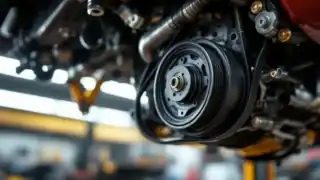
While the alternator is accessible, we always inspect the drive belt and tensioner. A worn belt is a common cause of alternator underperformance and can cause the unit to fail prematurely if it slips under load. If the belt shows cracking, glazing, or tension loss, we’ll advise on replacing it at the same time. It’s a straightforward job to do together and saves pulling things apart twice.
What Affects the Cost and Time Involved?
The cost of Suzuki alternator repair varies depending on a few honest factors. A Swift with a smaller engine and an easily accessible alternator is a quicker job than a Jimny with a snug engine bay and additional disassembly required. The choice between a rebuilt unit, a quality aftermarket alternator, or a genuine Suzuki-spec part will also affect pricing. We’ll talk through the options with you so you can make a call that suits your budget and how long you plan to keep the vehicle.
Parts availability for most Suzuki models is solid, and we handle all sourcing in-house. You won’t be chasing parts yourself or waiting on a third party. For most passenger Suzuki models, alternator repairs are completed in a single visit. We’ll give you a clear picture of what’s involved before we start, and there are no surprises when you come to pick the car up.
Why Drivers in Gatton and the Lockyer Valley Choose Us
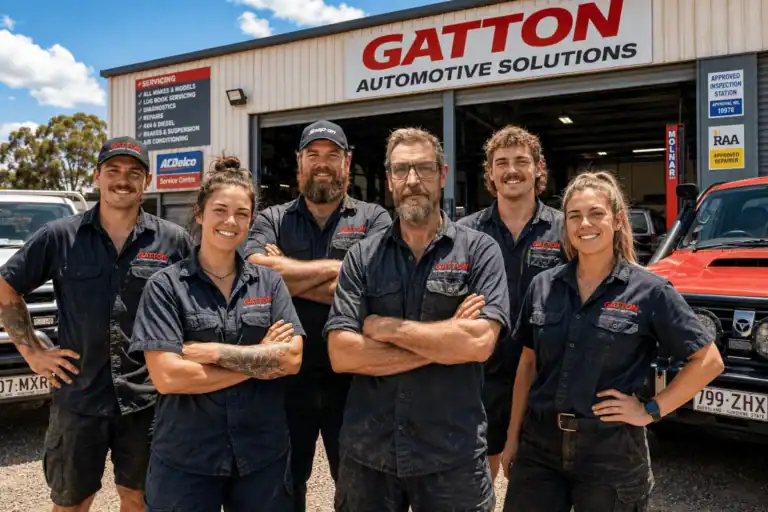
Gatton Automotive Solutions is a full-service workshop based right here in Gatton, and for Lockyer Valley drivers, that matters. Getting alternator work done shouldn’t mean a 45-minute drive to Ipswich or Toowoomba. We cover everything under one roof, from general mechanical repairs and diagnostics through to roadworthy certificates, suspension and tyres, smash repairs, and heavy vehicle and equipment servicing. Whether you’re driving a Suzuki Swift for the school run or a work ute that needs to be back on the road quickly, we treat every job the same way: straight advice, fair pricing, and no work done that isn’t needed.
With five-star reviews, the feedback from local drivers speaks for itself. We’re locally owned, and this community is where we work every day.
If your Suzuki is showing signs of charging problems, don’t wait for it to leave you stranded. Call Us Now or Book Your Free Inspection online and we’ll get it looked at properly here in Gatton.