A Suzuki cooling system repair might not sound urgent until your temperature gauge climbs into the red on the Warrego Highway or you spot steam rising from under the bonnet in a Gatton car park. The cooling system is what keeps your engine running at a safe operating temperature, and when it fails, the consequences can range from a minor inconvenience to a seized engine. Suzuki’s range spans small city cars like the Swift and Baleno through to the Jimny, Vitara, and S-Cross, and each model has its own cooling system characteristics worth understanding before a problem gets out of hand.
Warning Signs Your Suzuki Cooling System Needs Attention
Cooling system faults rarely appear without warning. The trouble is, early symptoms are easy to dismiss as “just one of those things” until the engine is already under stress. Here are the signs we see most often in the workshop:
- Temperature gauge running higher than normal, or swinging between hot and normal during a drive
- Coolant warning light illuminating on the instrument cluster
- Sweet smell from under the bonnet, particularly after the engine warms up, which often indicates a coolant leak
- Visible coolant puddles under the car after it has been parked overnight
- Heater blowing cold air when it should be warm, sometimes caused by a low coolant level or a blocked heater core
- White smoke or steam from the exhaust or from under the bonnet
- Bubbling in the overflow reservoir or a consistently dropping coolant level without any visible leak
Some of these symptoms, particularly bubbling coolant and persistent overheating, can point to a more serious issue like a blown head gasket. On Suzuki models with smaller four-cylinder engines, head gasket problems can develop when overheating is left unchecked, making early diagnosis genuinely important.
What a Suzuki Cooling System Diagnosis and Repair Involves
We start with a thorough inspection rather than guessing. Cooling system faults can have multiple causes, and replacing parts without diagnosing the root cause often means the problem comes back weeks later.
Diagnosis First
Our process begins with a visual inspection of the radiator, hoses, clamps, water pump, and overflow reservoir. We check coolant level and condition, since old or degraded coolant loses its corrosion-inhibiting properties and can cause internal damage over time. We also pressure-test the system, which involves sealing the cooling circuit and pressurising it to the manufacturer’s specified level to identify leaks that aren’t visible to the naked eye.
For Suzuki models, we reference the factory service schedule for coolant type and replacement intervals. Suzuki specifies a long-life coolant in many of its current models, but that coolant does have a service life, and mixing incompatible types is a common cause of cooling system degradation. We check that whatever is in the system is the correct specification for your vehicle.
Common Repairs We Carry Out
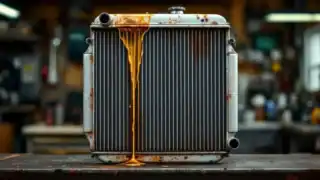
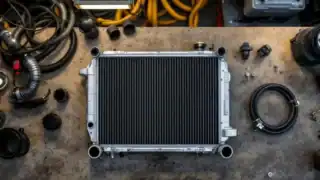
- Radiator replacement or repair: Suzuki radiators, particularly on older Swift and Jimny models, are prone to corrosion at the end tanks or leaks at the seams after high mileage
- Water pump replacement: On many Suzuki engines the water pump is driven by the timing chain or belt, so we inspect both together when the water pump is due
- Thermostat replacement: A stuck-open thermostat causes the engine to run cold and reduces efficiency; a stuck-closed thermostat causes rapid overheating
- Hose and clamp replacement: Rubber hoses harden and crack with age, especially in the Lockyer Valley’s climate where temperature swings between seasons add stress to aged rubber
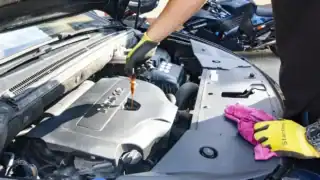
- Coolant flush and refill: We drain the system, flush it clean, and refill with the correct coolant to the manufacturer’s specification and concentration
- Header tank and overflow reservoir repair: Cracked or brittle plastic tanks are a common failure point on higher-mileage Suzukis
What Affects the Cost and Time to Repair
Cooling system repair costs vary depending on what has failed. A simple thermostat replacement is a relatively straightforward job. A water pump on a Suzuki where the timing components also need attention will take longer and require more parts. Radiator replacement on a Jimny or Vitara, where access is more involved than on a Swift, adds some labour time.
We source quality parts suited to your Suzuki, whether that means OEM-spec components or reputable aftermarket alternatives. We’ll be upfront about which option makes sense for your vehicle’s age, mileage, and how you use it. No unnecessary work gets added to the job, and we won’t replace parts that don’t need replacing just to pad a quote.
Why Gatton Drivers Bring Their Suzukis to Us
Gatton Automotive Solutions handles everything from everyday Suzuki Swift services through to heavier mechanical work on 4WDs, farm equipment, and commercial vehicles. That breadth matters because when a cooling system fault turns out to involve head gasket damage or timing components, we can handle the full repair in one place without referring you elsewhere.
We’re locally owned and based right here in Gatton, which means there’s no reason to drive to Ipswich or Toowoomba for a Suzuki radiator specialist. With five-star reviews, our customers return because we give them a straight answer and a fair price, not because we’ve chased them with upsells. Parts sourcing is handled through the workshop, so you’re not chasing down components yourself.
If your Suzuki is showing any cooling system symptoms, don’t wait. Call Us Now or Book Your Free Inspection online and we’ll take a proper look at what’s going on.