Your Great Wall’s alternator does one job continuously while the engine runs: it converts mechanical energy into electrical power and keeps the battery charged. When that system starts to fail, everything that depends on electricity, from headlights and the instrument cluster to the fuel pump and ignition, starts to struggle. Great Wall alternator repair is one of the more common electrical jobs we handle here in Gatton, and catching the signs early can save you from an unexpected breakdown on the highway or out on a rural property road.
What Are the Warning Signs of a Failing Alternator?
Great Wall vehicles, including the popular V200, V240, Steed, and Cannon utes, tend to give a few clear signals before an alternator fails completely. The challenge is that these symptoms can look like battery trouble at first glance, which is exactly why accurate diagnosis matters before any parts are replaced.
- Battery warning light on the dash: This light monitors the charging system, not just the battery itself. If it appears, the alternator is a likely suspect.
- Dimming or flickering headlights: Lights that vary in brightness with engine speed point directly to an inconsistent charging output.
- Electrical accessories behaving erratically: Power windows slowing down, the infotainment screen resetting, or the air conditioning cutting in and out can all stem from inadequate voltage.
- A flat battery that keeps recurring: If you jump-start your Great Wall and the battery goes flat again within a day or two, the alternator may not be replenishing the charge at all.
- A whining or grinding noise from the front of the engine: This can indicate worn alternator bearings or a failing pulley, and it tends to get worse with electrical load.
- Engine hesitation or stalling: A severely undercharging alternator can starve the ignition system, causing rough running or unexpected stalls.
Any one of these on its own could have another cause. But two or more appearing together in a Great Wall is a strong indicator that the charging system needs attention.
How We Diagnose and Repair Great Wall Alternators
We start with the charging system as a whole rather than jumping straight to the alternator. Great Wall vehicles use a 12-volt charging system with output typically between 13.5 and 14.7 volts at idle, and we test actual output voltage first. This matters because a weak battery, a corroded earth connection, or a deteriorating serpentine belt can mimic alternator failure. Replacing the alternator when the real cause is a loose earth strap is a waste of your money and your time.
Once we confirm the alternator is producing insufficient voltage or fluctuating output under load, we inspect the unit itself. The brushes and slip rings wear over time in higher-mileage vehicles, and the voltage regulator (the component that controls how much charge the alternator produces) can fail independently of the rest of the unit. In some cases, a rebuild or component replacement is appropriate. In others, a full alternator replacement is the more reliable long-term repair.
For Great Wall models, sourcing the right alternator matters. The V200 and V240 use a diesel engine with specific amperage requirements to handle the glow plug load and the factory ECU draw. We source quality replacement alternators matched to your Great Wall’s specifications, whether that means genuine-equivalent parts designed for the platform or quality aftermarket units that meet OEM output ratings. We will always explain the options and let you make the call.
What Affects the Cost and Time of Alternator Repair in Gatton?
A few variables influence what Great Wall alternator repair involves from a cost and time perspective. Parts availability is the first consideration. Great Wall parts supply in regional Queensland has improved as the brand has grown its presence in the ute and 4WD market, but it can still vary depending on the model year and variant. We handle parts sourcing directly, which means you don’t need to track anything down yourself.
The second factor is whether repair or full replacement is the right call. A voltage regulator or brush replacement on a rebuildable alternator unit is generally less involved than a complete swap. The extent of any associated damage, for instance corrosion in the wiring loom or a worn tensioner pulley that needs replacing at the same time, will also affect the scope of the job. We won’t add work that isn’t necessary, but we’ll tell you honestly if something nearby is likely to cause problems soon.
Why Gatton Automotive Solutions for Your Great Wall?
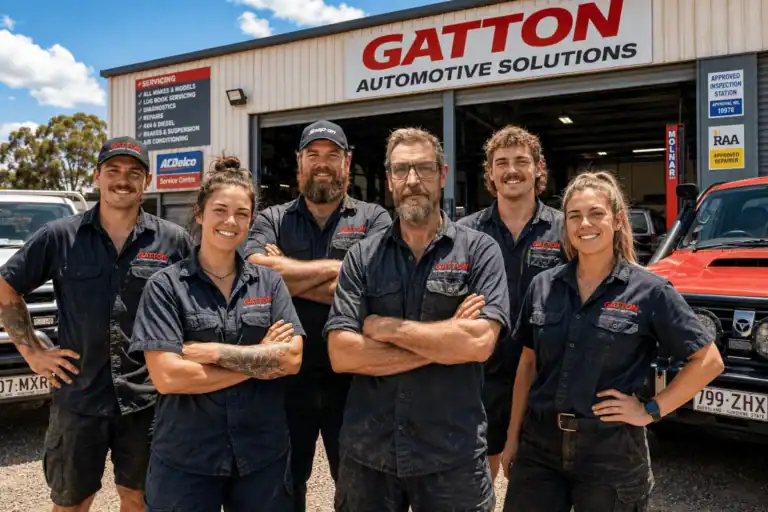
We’re a locally owned workshop in Gatton, which means Great Wall owners across the Lockyer Valley don’t have to make the trip to Ipswich or Toowoomba for electrical repairs. We service everything from everyday passenger cars through to utes, 4WDs, trucks, and heavy equipment, all under one roof. Fleet and commercial operators running Great Wall Cannons or V-series utes will find we understand working vehicles and the cost of downtime.
With five-star reviews from local drivers, our approach is straightforward: diagnose accurately, explain clearly, and only do the work that’s actually needed. No upselling, no guesswork. Gatton Automotive Solutions also offers roadworthy certificates on-site, suspension upgrades, tyre fitting, smash repairs, and parts sourcing, so if your Great Wall needs more than just alternator attention, we can handle it all in one place without sending you elsewhere.
Give us a call using the Call Us Now button or use the Book Your Free Inspection option online. We look after Great Wall owners right here in Gatton, and we’ll have your charging system properly assessed and back on the road as quickly as the job allows.