Brake problems don’t give much warning before they become serious. If you drive a Great Wall ute or SUV and something feels off — a soft pedal, a grinding noise, or the vehicle pulling to one side under braking — it’s worth getting it looked at straight away. Great Wall brake repair is one of the more common jobs we handle at Gatton Automotive Solutions, and it’s one where we’d always rather catch a problem early than deal with the consequences of leaving it too long.
Warning Signs Your Great Wall Brakes Need Attention
Great Wall vehicles, including the Steed ute and older V-series models, see a fair bit of variety in how they’re used around the Lockyer Valley. Some are driven hard on farm tracks and gravel roads, others are everyday work vehicles doing school runs and town trips. That mixed use can wear brakes unevenly, and the signs aren’t always dramatic.
- Squealing or squeaking when you brake – many brake pads include a small wear indicator that makes this sound deliberately when the pad is getting thin
- Grinding or scraping – this usually means the pad material is gone and metal is contacting the rotor directly; it needs attention now
- The brake pedal feels soft or spongy – this can point to air in the brake lines or a problem with the master cylinder
- Pulling to the left or right when braking – often caused by a sticking calliper (the clamp mechanism that squeezes the brake pads against the rotor) or uneven pad wear
- Vibration through the pedal – usually linked to warped rotors, particularly common in vehicles that do a lot of towing or heavy stopping from speed
- The brake warning light is on – Great Wall models use a dashboard warning system that monitors brake fluid level; if it’s illuminated, don’t ignore it
Any one of these symptoms is worth a proper inspection. Two or more together means the brakes should be prioritised before anything else on your to-do list.
How We Approach Great Wall Brake Repairs in Gatton
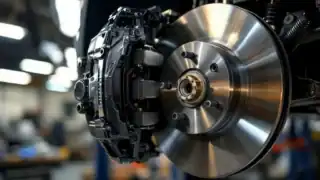
We start with a thorough inspection before recommending any work. That means pulling off the wheels and measuring pad thickness, checking rotor condition (including thickness and any signs of scoring or warping), inspecting the callipers for seized pistons or leaking seals, and testing the brake fluid for moisture content. Brake fluid absorbs water over time, which lowers its boiling point and can affect brake performance under heavy use – it’s something Great Wall owners often overlook until it becomes a problem.
Great Wall’s braking systems across the Steed and V-series range are relatively conventional, but parts availability can vary more than with high-volume Japanese or Korean makes. We handle parts sourcing directly, which means we’re sourcing the right specification components rather than leaving that job to you. Where genuine-equivalent parts are available to the correct OEM specification, we’ll discuss your options honestly so you can make a call that suits your budget and how the vehicle is used.
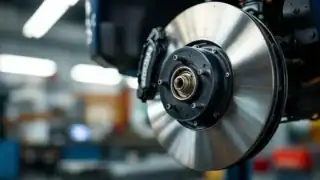
If the rotors are beyond the manufacturer’s minimum thickness specification, we’ll replace them rather than cut corners by machining them down past safe limits. Rotor replacement done at the same time as pad replacement is usually the right call when wear is significant, and we’ll always explain what we’ve found before any work begins.
What Affects the Cost and Time for a Great Wall Brake Job
No two brake repairs are identical. A simple front pad replacement on a well-maintained Steed is a straightforward job. A brake repair on a vehicle with corroded callipers, contaminated fluid, and worn rotors on all four corners takes considerably longer and involves more parts. A few things that affect both cost and how long the job takes:
- Whether one axle or both need attention
- The condition of the rotors – whether they can be reused or need replacing
- Calliper condition, particularly on older vehicles or those used in dusty or wet conditions
- Parts availability for your specific Great Wall model
- Whether a brake fluid flush is also needed
We give you a clear picture of what’s needed before we start, so there are no surprises when it’s time to settle up. Honest advice and straight pricing – no work gets done that isn’t necessary.
Why Gatton Drivers Bring Their Great Wall to Us
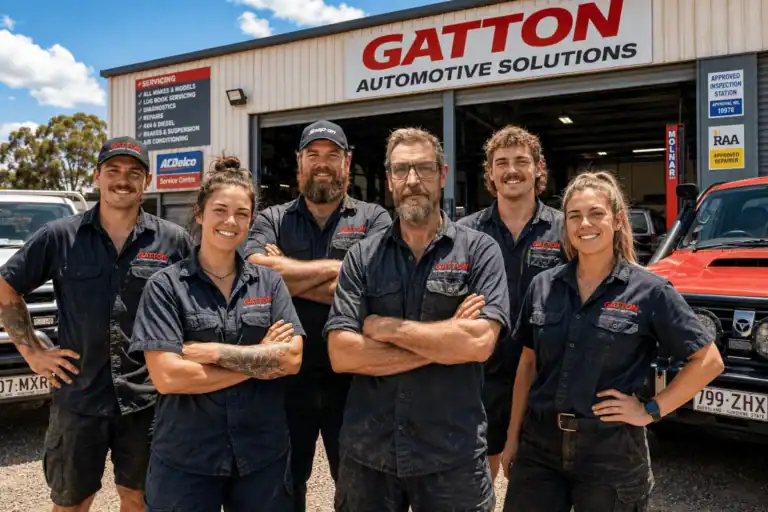
We’re a full-service workshop handling everything from everyday passenger cars through to 4WDs, utes, trucks, and heavy equipment. Great Wall owners appreciate that they’re not being turned away or sent elsewhere – we look after the whole job here, including parts sourcing, and we issue roadworthy certificates on-site when they’re needed.
For anyone weighing up whether to drive to Ipswich or Toowoomba for a specialist, it’s worth knowing that brake repairs on Great Wall models are well within what we handle every day in Gatton. Saving 45 minutes each way and getting the job done locally is a straightforward win, particularly when the vehicle shouldn’t really be driven far on questionable brakes in the first place.
We’ve built a solid reputation in the Lockyer Valley through straightforward work and fair dealing – five-star rated. If you’re running a fleet of Great Wall utes for work or farming, we can look after multiple vehicles and keep things moving with minimal disruption to your schedule.
If your brakes are giving you any concern, Book Your Free Inspection online or Call Us Now – we’ll take a look and give you a straight answer on what’s needed.