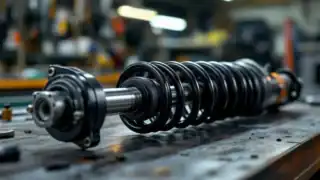
BMW suspension systems are engineered to deliver precise handling and a smooth ride, but like all mechanical components, they wear out over time. BMW suspension replacement involves replacing worn struts, coil springs, control arms, anti-roll bar links, or other suspension components that have exceeded their useful life or been damaged. In Gatton, where drivers navigate everything from local roads to longer trips toward Ipswich and Toowoomba, a well-maintained suspension is essential for safety, comfort, and keeping your BMW performing as it should.
Signs Your BMW Suspension Needs Replacement
Suspension wear often announces itself gradually, but several specific warning signs should prompt you to book a professional inspection. A clunking noise from the front or rear when driving over bumps or during cornering usually points to worn struts or damaged control arm bushes. Excessive bouncing after hitting a pothole, or a car that feels like it’s wallowing side-to-side during turns, suggests your suspension is no longer absorbing energy as it should. Uneven tyre wear, pulled steering to one side, or a noticeably rougher ride at highway speeds all indicate suspension components on the way out.
- Visible leaking fluid on strut or spring components
- One corner of the car sitting noticeably lower than others
- Knocking or rattling sounds when turning the steering wheel
- Difficulty maintaining straight-line control on uneven roads
- Increased stopping distance or brake fade during heavy braking
BMW models are also prone to specific suspension issues depending on the generation and model line. Older 3 Series and 5 Series vehicles often experience worn front strut mounts and anti-roll bar link failure, whilst newer F-series models can develop issues with the electronically adjustable suspension components if sensors or damper actuators begin to fail. If your BMW has adaptive or air suspension, you may also see warning lights on the dash relating to suspension stiffness or height control.
What BMW Suspension Replacement Involves
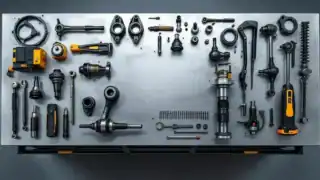
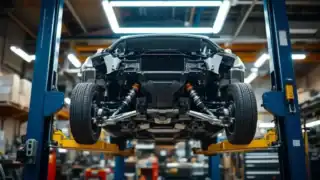
We start with a full suspension diagnostic to pinpoint exactly which components are worn or damaged. This isn’t just a quick look; we inspect strut condition, measure spring compression, check control arm movement and bushing integrity, test anti-roll bar links, and examine the entire suspension geometry. For BMW vehicles, we also scan the suspension control module and any electronic damper systems to rule out sensor faults or calibration issues that might feel like mechanical wear.
Once we’ve identified what needs replacing, we outline the options. Many BMW owners ask whether to use genuine BMW parts or quality aftermarket equivalents. Genuine parts carry BMW’s engineering specifications and typically come with a longer lifespan, but aftermarket suspension components from reputable manufacturers can deliver excellent durability at a lower cost. We source parts locally where possible to keep your car off the road for the shortest time, and we’re transparent about what you’re getting and why we recommend it.
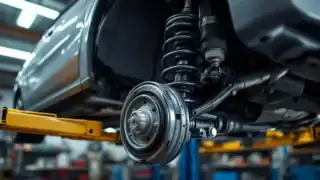
The actual replacement process varies depending on which components are involved. Strut replacement usually takes longer because it requires removing the wheel, disconnecting the brake lines and ABS sensors, unbolting the steering knuckle, and carefully removing the strut assembly. Control arm replacement requires suspension geometry alignment afterwards to ensure your BMW handles correctly and your tyres wear evenly. Anti-roll bar link replacement is quicker but must be done on both sides to maintain balance.
What Affects Time and Cost for Your BMW
Several factors influence both the timeframe and cost of your suspension replacement. The number of components needing replacement is the biggest variable; replacing a single anti-roll bar link takes a couple of hours, whilst replacing both front strut assemblies, control arms, and steering components can take half a day or more. Parts availability matters too, especially if genuine BMW parts are needed. For most common models and components, we can source parts locally, but some BMW-specific items may need to be ordered.
Your car’s age and mileage also play a role. Older BMWs sometimes have seized bolts or rust-seized components that take longer to remove safely. Suspension geometry alignment is essential after most suspension work and adds to the overall time, though it’s a critical step that protects your tyres and handling. If your BMW has air suspension or electronic damper control, sensor testing and recalibration adds a bit more time but ensures the electronic systems work correctly with the new mechanical components.
Why Choose Gatton Automotive Solutions for Your BMW Suspension
We’re a full-service workshop covering cars, 4WDs, trucks, and heavy equipment all in one place, and we bring genuine expertise to European vehicles including BMW. You won’t travel 45-80km to Ipswich or Toowoomba for suspension work; we diagnose, source parts, and complete the job right here in Gatton. We give you honest advice about what actually needs replacing and what doesn’t, with no upselling and no unnecessary work.
We handle suspension upgrades and tyre fitting in-house, so if your new suspension reveals that your current tyres aren’t up to the task, we can sort that straight away. We source parts ourselves rather than asking you to organise them, which means fewer delays and one point of contact throughout the job. Our team works on everything from everyday daily drivers to complex European engineering, so your BMW is in capable hands.
Book your free inspection to discuss your suspension symptoms and get a clear picture of what’s needed. Call us now or book online, and we’ll get your BMW handling smoothly again.