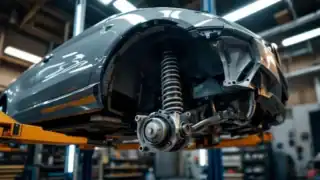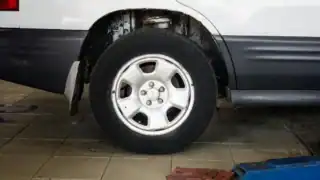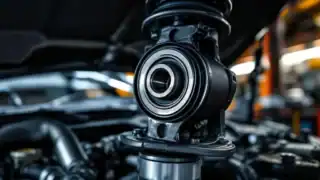
Suspension is the system that keeps your tyres in contact with the road and absorbs the punishment of everyday driving. When worn components go unaddressed, handling becomes unpredictable and tyre wear accelerates. Japanese vehicles suspension replacement is a job we handle regularly at our Gatton workshop, and it’s one where getting the parts and setup right for your specific make and model genuinely matters. Toyota, Mazda, Nissan, Mitsubishi, Subaru and Honda all have their own suspension geometry and component specifications, and treating them as interchangeable with generic fitments can leave you with handling that never quite feels right.
Warning Signs Your Suspension Needs Attention
Suspension wear is gradual, which makes it easy to dismiss until something feels seriously wrong. These are the signs worth acting on sooner rather than later.
- Pulling to one side while driving on a straight road, even on flat bitumen
- Nose-diving under braking or the rear squatting hard during acceleration
- Bouncing or wallowing over bumps instead of absorbing them cleanly
- Uneven tyre wear, especially cupping or feathering across the tread
- Clunking or knocking sounds from the front or rear when going over speed bumps or rough ground
- Steering that feels vague or slow to respond, particularly at highway speed
- The vehicle sitting lower on one corner than the others
Many drivers in and around Gatton do a fair amount of kilometres on unsealed roads or loaded utes, and that kind of use puts additional strain on struts, shock absorbers and bushes. If any of these symptoms sound familiar, it’s worth having the suspension inspected before the next long trip.
How We Approach Suspension Replacement on Japanese Vehicles
Japanese manufacturers tend to be precise about suspension geometry, and small deviations in ride height or alignment can affect how the whole vehicle drives. Our process starts with a thorough visual and physical inspection: checking struts and shocks for oil leaks or corrosion, testing control arm and sway bar bushes for play, and assessing ball joints for movement they shouldn’t have. We check spring rates and ride height against manufacturer specifications for the specific model and variant, not just the general nameplate.
Make-Specific Considerations
Toyota LandCruisers and HiLux utes are common in the Lockyer Valley, and both platforms see a lot of loaded running. The rear leaf springs and front strut assemblies on these vehicles have specific load ratings that need to be matched to how the vehicle is actually used. A suspension setup that suits a lightly loaded HiLux around town is different from one carrying tools and gear across paddocks.
Subaru’s symmetrical all-wheel-drive system is sensitive to suspension geometry changes. Replacing one strut without checking the opposite side, or fitting components that alter ride height without rechecking alignment, can put the drivetrain under stress over time. We look at both sides together and confirm the geometry is correct before the vehicle leaves.
Mazda’s independent rear suspension on models like the CX-5 and Mazda3 uses rear control arm geometry that affects camber. Worn rear bushes on these vehicles often show up as uneven rear tyre wear before the driver notices any handling change. Catching this at the parts stage avoids the added cost of premature tyres.
For parts, we source OEM-specification or quality-equivalent components suited to each model. On genuine Japanese vehicles, particularly those still under manufacturer warranty or with high resale value, we’ll talk through the options with you so you can make an informed call on which direction makes sense.
What Affects the Cost and Time Involved?
Suspension replacement pricing varies based on several honest factors. The number of components being replaced, whether it’s struts only or a more complete job including bushes, ball joints and springs, makes a significant difference. The vehicle type matters too: a small Mazda hatchback and a dual-cab HiLux are very different jobs in terms of labour and parts cost.
Parts sourcing is handled through our workshop, which means we can get the right components without you needing to source them separately. Japanese vehicle parts are generally well-supported in Australia, though some older or more unusual models may take a little longer. We’ll give you a clear picture of what’s needed before any work starts.
If a wheel alignment is required after the replacement, which it usually is, that’s done on-site. There’s no need to drive across to Ipswich or Toowoomba for a follow-up alignment appointment.
Why Gatton Automotive Solutions for Your Suspension Work?
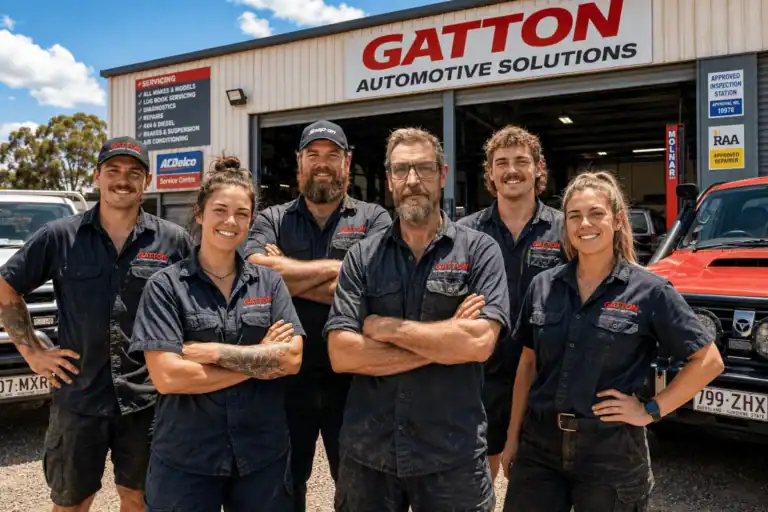
Gatton Automotive Solutions is a full-service workshop covering cars, 4WDs, trucks and heavy equipment, all under one roof. Suspension work is part of a broader capability that includes tyre supply and fitting, wheel alignments, roadworthy certificates, and general mechanical repairs. If your vehicle needs a roadworthy after a suspension rebuild, we can issue that certificate on-site rather than sending you elsewhere.
Our approach is straightforward: we tell you what we found, what needs doing, and what can wait. We don’t pad out jobs, and we don’t recommend parts that aren’t genuinely worn. For Lockyer Valley drivers who rely on their vehicles day to day, whether that’s a family 4WD or a work ute, that kind of honest advice is worth more than a flashy waiting room. We’ve built our reputation in Gatton on exactly that, backed by five-star reviews from local customers who keep coming back.
If your vehicle is showing any suspension wear symptoms, Call Us Now or Book Your Free Inspection online. We’ll get it looked at properly so you know exactly where you stand.