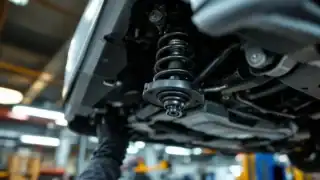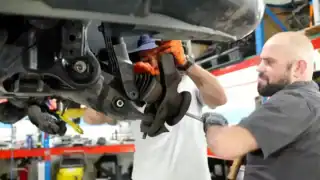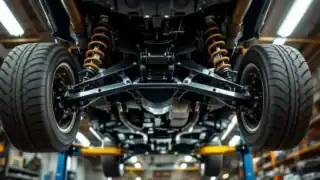
Land Rover Suspension Replacement is one of those jobs that genuinely affects every aspect of how your vehicle handles, from the way it soaks up a rough dirt road to how confidently it holds a line on the highway. Land Rovers are built with complex multi-link and air suspension systems that carry a lot of mechanical load, particularly across the varied terrain around Gatton and the Lockyer Valley. When those components wear out or fail, the effects aren’t subtle. We work on Land Rovers regularly at our Gatton workshop, and suspension is one of the most common repair categories we see across the range.
Warning Signs Your Land Rover Suspension Needs Attention
Land Rover suspension problems tend to announce themselves in pretty clear ways once you know what to listen and feel for. The challenge is that the symptoms can creep in gradually, which makes it easy to write off a change in ride quality as just a rough road rather than a worn component.
- Nose diving under braking or the rear squatting heavily under load suggests worn shocks or struts that can no longer manage weight transfer effectively.
- A knocking or clunking sound over bumps, especially from the front end, often points to worn ball joints, control arm bushings, or a failed shock mount.
- Uneven tyre wear is a strong indicator that alignment geometry has shifted due to worn suspension components pulling the wheels out of their correct position.
- Vehicle sitting lower on one corner is common on Land Rovers fitted with air suspension. A failed air spring, compressor fault, or valve block issue can cause the system to lose pressure on one corner or drop completely.
- Excessive body roll through corners, or a vague, floaty feeling at highway speed, often means the dampers are past their useful life.
- Steering that feels imprecise or pulls to one side can also trace back to suspension geometry faults rather than the steering system itself.
If your Discovery, Defender, Range Rover, or Freelander is showing any of these signs, it’s worth getting it inspected before the wear progresses to the point where other components are affected.
How We Approach Land Rover Suspension Diagnosis and Replacement in Gatton
Land Rovers require a more thorough diagnostic process than your average passenger car, largely because of the complexity of their suspension architecture. Many models in the Discovery and Range Rover lines use Electronic Air Suspension (EAS), which means a fault may be mechanical, electronic, or both. Simply replacing a physical part without reading the system’s fault codes can leave underlying issues unresolved.
We start with a visual inspection of all suspension components, looking for visible wear, cracking, or collapse in bushings and mounts, checking for fluid leaks from shock absorbers, and testing ball joint play by hand. On air suspension models, we assess compressor performance, check air line integrity, and read any stored fault codes from the suspension control module. This step is critical on Land Rovers because the EAS system logs faults that won’t always trigger a dashboard warning light straight away.
Once we’ve identified the worn or failed components, we’ll walk you through exactly what needs replacing and why. Depending on the model and year, parts options typically include OEM-specification components for Land Rovers still under the manufacturer’s extended warranty, or quality aftermarket equivalents for older vehicles where value and longevity are the priority. We handle parts sourcing in-house, so you’re not left chasing parts from a supplier yourself.
After replacement, we carry out a four-wheel alignment check. Suspension work almost always shifts wheel alignment angles, and fitting new components without re-aligning the vehicle means your new parts will wear unevenly from day one. On air suspension systems, we also reset the ride height calibration and recheck system function before the vehicle leaves our workshop.
What Affects the Cost and Time of Land Rover Suspension Replacement?
No two Land Rover suspension jobs cost the same, and that’s worth being upfront about. The variables that affect price the most are the model and year of vehicle, which corner or corners are affected, whether the car has air suspension or conventional coil and shock setup, and the condition of surrounding components once we get in there.
Air suspension components, particularly air springs and compressors, are more expensive to source than conventional shock absorbers. Older Discovery and Range Rover models can also present challenges with corroded fasteners, which adds labour time. If multiple components on the same corner are worn at the same time, it usually makes sense to address them together rather than returning in a few months for the next piece. We’ll always let you know upfront if we spot anything that warrants that kind of conversation.
Local Workshop, Full-Service Capability
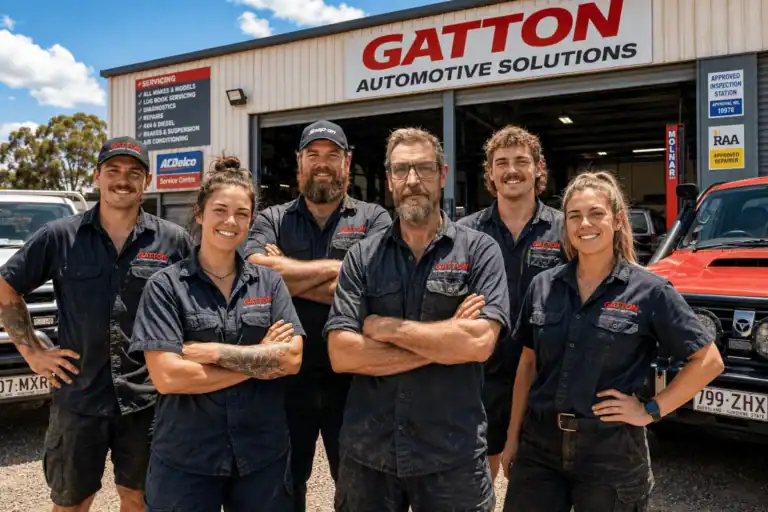
Gatton Automotive Solutions handles everything from daily driver cars and 4WDs through to trucks, heavy equipment, and agricultural machinery. For Land Rover owners in the Lockyer Valley, that means you don’t need to drive to Ipswich or Toowoomba for suspension work that requires proper diagnostic tools and real knowledge of the brand’s systems. We have the equipment to read Land Rover-specific fault codes, the workshop space to handle larger vehicles, and the experience to know where these models commonly fail.
We can also issue Roadworthy Certificates on-site and pair suspension work with tyre fitting and alignment in a single visit. With five-star reviews from local customers, our approach speaks for itself: tell you what’s needed, do the work properly, and charge a fair price without adding jobs to the invoice that aren’t necessary.
If your Land Rover’s ride has changed or something doesn’t feel right through the corners, Call Us Now or Book Your Free Inspection online. Our Gatton workshop is ready to help, and we’ll give you a clear picture of what’s going on before any work begins.