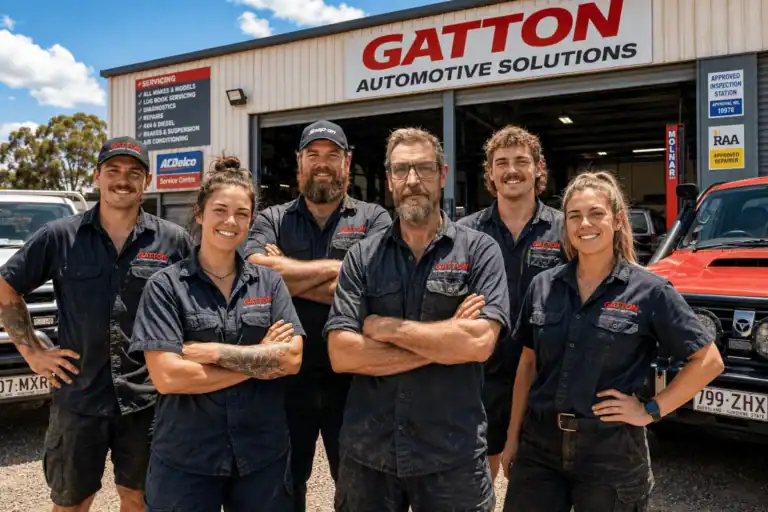
Worn or damaged suspension is one of those problems that creeps up gradually, making it easy to dismiss early warning signs as just the road being rough. But your Hyundai’s suspension system does a lot more than smooth out bumps — it keeps your tyres in proper contact with the road, stabilises your vehicle through corners, and directly affects how your brakes perform. When components start to fail, the consequences go beyond comfort. Hyundai suspension replacement is something we handle regularly here in Gatton, and getting it right means understanding how Hyundai’s suspension geometry and component specs interact across the model range.
Signs Your Hyundai’s Suspension Needs Attention
Hyundai models – from the i30 and Tucson to the Santa Fe and Staria – share some common suspension wear patterns that are worth knowing. The MacPherson strut setup used across most Hyundai passenger cars and SUVs is generally reliable, but strut mounts, rubber bushings, and sway bar links are the components that tend to go first, particularly on vehicles doing regular highway kilometres or carrying heavier loads.
Some of the most common signs we see when a Hyundai comes in for suspension work include:
- Clunking or knocking sounds over bumps, speed humps, or when turning at low speed – often a worn strut mount or loose sway bar link
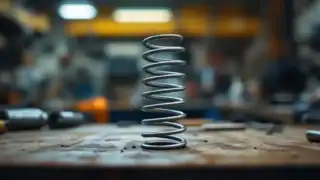
- The car pulling to one side even on a straight, level road, which can indicate a collapsed spring or uneven wear between sides
- Excessive body roll through corners, more pronounced than it was when the car was new
- Uneven tyre wear – flat spots, inside or outside edge wear, or cupping – which points to components that are no longer holding correct wheel alignment
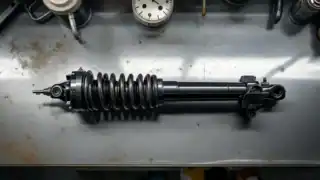
- A bouncy or floaty ride after going over a bump, where the car doesn’t settle quickly – this is a classic sign of shock absorbers that have lost their damping ability
- Vibration through the steering wheel at certain speeds, sometimes mistaken for a wheel balance issue
If you’re noticing any of these, it’s worth having the suspension inspected properly rather than waiting. Worn suspension components affect wheel alignment, which in turn accelerates tyre wear – so putting off the repair often costs more in the end.
How We Approach Hyundai Suspension Diagnosis and Replacement in Gatton
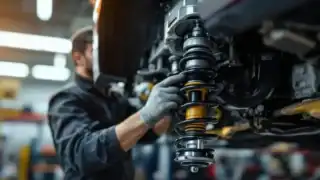
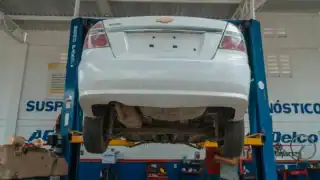
We start with a physical inspection of the full suspension assembly – checking struts and shock absorbers for fluid leakage and structural integrity, testing spring condition, and assessing the rubber bushings throughout the control arms and sub-frame mounts. Hyundai uses a mix of hydraulic and gas-charged strut assemblies depending on model year, so identifying the correct specification matters before any parts are ordered.
On Hyundai’s rear multi-link suspension – fitted to vehicles like the Santa Fe, Sonata, and newer Tucson variants – there are more pivot points and bushings to assess than on a simpler torsion beam setup. We check each one. On models with the rear torsion beam axle (common on the i30 and Accent), the beam bushings and trailing arm mounts are the primary wear points and can significantly affect handling when they deteriorate.
Once we’ve identified what needs replacing, we’ll walk you through what we found before any work starts. We source parts to OEM specification or genuine-equivalent quality for Hyundai, which matters for maintaining correct suspension geometry and not accelerating wear on adjacent components. After replacement, a wheel alignment is essential – it confirms the geometry is set to Hyundai’s specifications and prevents premature tyre wear from new parts installed out of spec.
What Affects the Cost and Timeframe of Suspension Work?
Suspension repair costs vary depending on which components need replacing, the model and year of your Hyundai, and whether the job involves one corner or multiple. Replacing a single strut assembly on a common model like the i30 is a straightforward job. A full four-corner overhaul on a Santa Fe with worn multi-link components at the rear involves considerably more labour and parts.
Parts availability is generally good for mainstream Hyundai models, but some older or less common variants may require a short wait on supply. We handle parts sourcing directly, so you don’t need to track anything down yourself. Whether OEM or quality aftermarket parts are the better fit for your situation is something we’ll discuss with you honestly, based on the age of the vehicle, intended use, and your budget.
Why Gatton Locals Trust Us With Their Hyundais
We’re a full-service workshop covering everything from everyday passenger cars to 4WDs, light trucks, and heavy equipment – all in one place here in Gatton. That means Lockyer Valley drivers and those coming in from surrounding areas don’t need to head to Ipswich or Toowoomba for specialist suspension work. We handle suspension upgrades and tyre fitting in-house, so if your Hyundai needs new rubber after the suspension is sorted, we can take care of that in the same visit.
Our pricing is straightforward. We don’t recommend work that isn’t needed, and we’ll give you a clear picture of what’s required before we start. With five-star reviews from local customers, Gatton Automotive Solutions has built a reputation in the Lockyer Valley on doing honest work at a fair price – and that’s not something we’re about to change.
Ready to get your Hyundai’s suspension looked at? Book Your Free Inspection online or Call Us Now – we’re based in Gatton and ready to help you get back on the road with confidence.