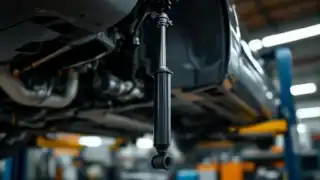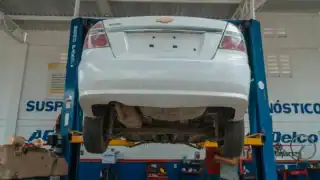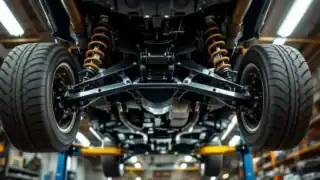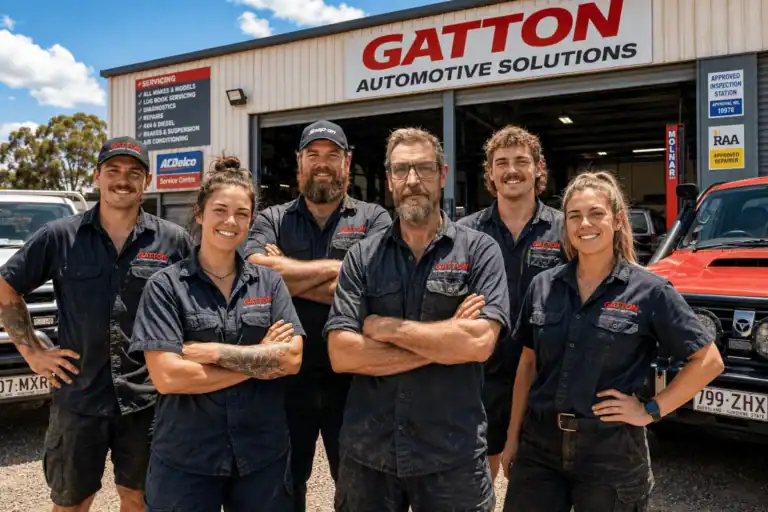
European vehicles are engineered to tight tolerances, and their suspension systems reflect that precision. Whether you’re driving a BMW, Mercedes-Benz, Audi, Volkswagen, Peugeot, or Volvo, the suspension does more than smooth out rough roads. It keeps your tyres in contact with the ground, maintains steering accuracy, and directly affects braking performance. When something in that system starts to wear or fail, the effects show up quickly. European vehicles suspension repair in Gatton is something we handle regularly here at Gatton Automotive Solutions, and we treat it as the safety-critical work it is.
Warning Signs Your European Vehicle’s Suspension Needs Attention
European suspension systems are often more complex than those found on mainstream Japanese or domestic vehicles. Many models use multi-link rear setups, adaptive dampers, or air suspension, which means the symptoms of a problem can be more subtle at first. Knowing what to look for makes a difference.
- Pulling to one side when driving on a straight road, especially on the highway between Gatton and Ipswich
- Excessive body roll through corners or when changing lanes
- Nose-diving under braking, or the rear squatting during acceleration
- Uneven tyre wear, particularly on the inner or outer edges of the tread
- Knocking, clunking, or rattling from underneath the vehicle, especially over speed humps or rough surfaces
- A rough, bouncy ride that feels noticeably worse than usual
- The vehicle sitting lower on one corner than the rest
Some European models also have dashboard warnings tied to their suspension. Audi’s adaptive suspension warning, or Mercedes-Benz AIRmatic fault codes, will often trigger a service light before the driver notices anything physical. If a warning light appears, it’s worth getting a proper diagnostic read done before drawing conclusions about what needs replacing.
How We Approach European Suspension Diagnostics and Repair
Not every suspension noise is a worn shock absorber, and not every handling complaint means the struts are shot. Our process starts with a proper visual inspection and a road test to understand what the vehicle is actually doing. From there we work through the suspension components systematically.
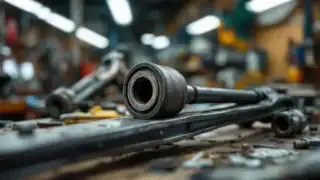
European vehicles commonly use components including control arms, ball joints, tie rod ends, anti-roll bar links (sometimes called sway bar links), subframe bushes, and wheel bearings, all of which need to be assessed as part of the picture. On models with electronic or adaptive damping systems, we also check whether the issue is mechanical or whether the ride control module is generating a fault. Diagnosing the root cause first means we’re not recommending parts the vehicle doesn’t need.
Many European brands specify tighter tolerances for wheel alignment after any suspension work. Vehicles like BMWs and Audis in particular are sensitive to alignment settings, and work done without a four-wheel alignment check afterward can leave the steering feeling off or cause tyres to wear unevenly within a few thousand kilometres. We carry out alignment checks as part of suspension repairs where they’re appropriate, not as an optional add-on.
Parts for European Vehicles
One of the practical challenges with European vehicle suspension repair is parts sourcing. OEM components from brands like BMW, Mercedes-Benz, or Volvo carry a premium, but quality aftermarket alternatives from suppliers like Lemförder, Febi, or Sachs are engineered to match original specifications and are widely trusted by independent workshops across Australia. We discuss parts options honestly with you before any work begins, including what the difference in price and expected lifespan looks like between OEM and quality aftermarket.
What Affects the Cost and Time Involved
Suspension repair costs vary considerably depending on which components need attention, how accessible they are, and what parts are required. Replacing a single anti-roll bar link is a straightforward job. Replacing control arm bushes on a multi-link rear suspension, or diagnosing and repairing an air suspension fault on a Mercedes-Benz S-Class or a Range Rover, involves significantly more time and more expensive parts.
Vehicle age also plays a role. Older European vehicles sometimes have corroded or seized fasteners that add time to what would otherwise be a quick job. We’re upfront about this before we start, not after. If we find anything unexpected once a component is removed, we’ll contact you before proceeding.
Why Gatton Drivers Bring Their European Vehicles to Us
Gatton Automotive Solutions is a full-service workshop covering cars, 4WDs, trucks, and heavy equipment, all under one roof. For European vehicle owners in the Lockyer Valley, that means you’re not driving 45 to 80 kilometres to Ipswich or Toowoomba for suspension work that can be handled locally. We offer suspension upgrades and tyre fitting in-house, so if your European vehicle suspension repair coincides with new tyres, both can be done in the same visit.
We also issue roadworthy certificates on-site. If your European vehicle has failed a pre-sale inspection or you need a certificate before transferring rego, suspension faults are often part of what triggers that failure. Getting the repair and the certificate done in one place saves time and paperwork.
Our pricing is straightforward. We tell you what we found, what it needs, and what it’ll cost before we do the work. No upselling, no unnecessary replacements. That approach has built us a strong reputation across Gatton and the Lockyer Valley, reflected in five-star reviews from local drivers who trust us with their vehicles.
If your European vehicle is showing any of the symptoms above, or you just want to know whether the suspension is in good shape, book your free inspection online or call us now. We’re here for Gatton and the wider Lockyer Valley community, and we’d rather you came in to check than waited until something failed on the road.