Japanese vehicles have earned a strong reputation for reliability, and a big part of that reputation rests on how well they’re built from the ground up, including the suspension. Japanese vehicles suspension repair is something we handle regularly at Gatton Automotive Solutions, covering everything from worn shock absorbers and broken springs to failing control arm bushes and damaged CV joints. Whether you’re driving a Toyota LandCruiser across the Lockyer Valley, commuting in a Mazda 3, or running a Nissan Navara on and off farm tracks, keeping the suspension in good shape protects the whole vehicle and the people inside it.
Warning Signs Your Japanese Vehicle’s Suspension Needs Attention
Suspension issues don’t always announce themselves with a dramatic bang. Often they creep in gradually, and by the time a driver notices something’s off, the wear has been building for a while. Here are the symptoms worth taking seriously:
- Bouncing or diving when you brake, especially if the front end dips noticeably before stopping
- A knocking or clunking sound when going over speed humps, rough tracks, or dipping driveways
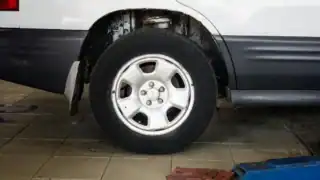
- Uneven tyre wear, particularly cupping or scalloping on the tread, which often points to worn shock absorbers
- Pulling to one side on a straight road, which may involve suspension geometry as much as wheel alignment
- Excessive body roll when cornering, or a feeling that the vehicle sits lower on one side than the other
- Vibration through the steering wheel that wasn’t there before, especially at highway speeds
If you’re noticing any of these, it’s worth getting the vehicle inspected sooner rather than later. Suspension components work together, and worn parts accelerate wear in the components around them.
How We Diagnose and Repair Suspension on Japanese Vehicles
Japanese manufacturers like Toyota, Mazda, Subaru, Honda, Mitsubishi, Isuzu, and Nissan each have their own suspension architectures and known wear patterns. A Subaru with its symmetrical all-wheel drive setup puts different loads through its suspension geometry than a front-wheel-drive Honda Jazz or a rear-wheel-drive Nissan Patrol. We factor that in from the start.
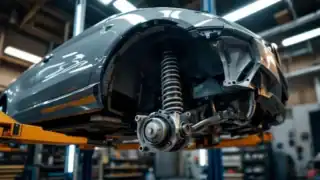
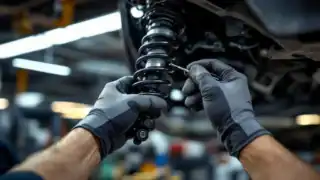
Our inspection process covers the full suspension system, not just the part that’s making noise. We check shock absorbers and strut assemblies for leaks and loss of damping, inspect coil springs for cracks or sag, test control arm bushes and ball joints for play, and assess CV boots and CV joints for splits or grease loss. We also look at steering rack condition and tie rod ends, since these interact directly with suspension geometry.
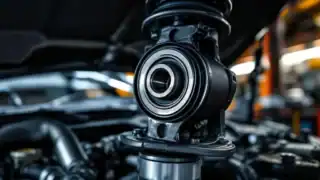
One area we pay particular attention to on Japanese 4WDs and utes common around Gatton is the front strut top mount. On vehicles like the Toyota HiLux or Mitsubishi Triton that do regular off-road or rough-road work, the top mount bearing can wear well before the strut itself fails, causing a knocking sound over bumps that’s easy to misdiagnose. We don’t just replace the obvious part and call it done.
Parts and Specifications
We source parts to OEM specification or genuine-equivalent quality depending on the vehicle, the repair, and what the customer prefers. For Japanese vehicles still under manufacturer warranty or with high original value, we’ll discuss OEM-spec options. For older working vehicles where reliability matters more than brand matching, quality aftermarket parts from reputable suppliers do the job at a lower cost. We explain the options honestly so you can make the call.
What Affects the Cost and Time of Suspension Work?
Suspension repairs vary more than most services because the variables are genuinely wide. A single worn shock absorber on a daily-driver sedan is a straightforward job. Replacing all four corners of a lifted LandCruiser Prado with heavy-duty components is a completely different scope of work. A few things that influence cost and time include:
- The number of components needing replacement versus just inspection or adjustment
- Whether the vehicle has been modified, lifted, or lowered, which affects what parts are compatible
- Parts availability, particularly for older Japanese models or less common variants
- Whether alignment or other related work is needed after the repair
- Corrosion or seized hardware on older vehicles, which adds time to the job
We’ll give you a clear picture of what’s needed before any work starts. No surprises on the invoice.
Suspension Repairs in Gatton, Without the Drive to Ipswich or Toowoomba
Getting suspension work done on your vehicle used to mean a trip out of town for Lockyer Valley drivers, with the cost and lost time that brings. Gatton Automotive Solutions handles the full scope of suspension work right here, including inspections, component replacement, alignment, and tyre fitting, all under one roof. We work on cars, 4WDs, utes, trucks, and heavy equipment, so whether it’s a family wagon or a work vehicle, we can help.
We also issue roadworthy certificates on-site, which matters if you’re looking to sell a vehicle or need to confirm it’s road-legal after a repair. Our team gives you straight advice on what needs doing now versus what can wait, without pushing unnecessary work. That’s how we’ve built the reputation we have in Gatton, backed by five-star reviews from drivers across the region.
If your Japanese vehicle is showing any signs of suspension trouble, Book Your Free Inspection online or Call Us Now. We’ll take a proper look and let you know exactly what’s going on.