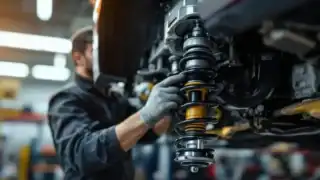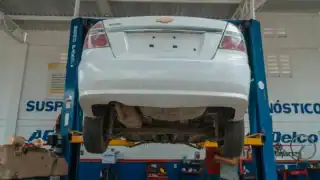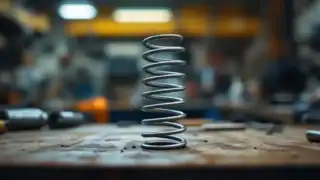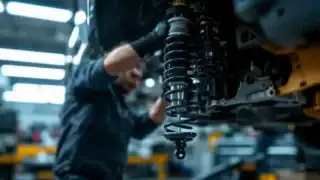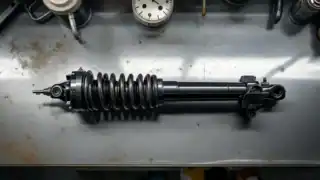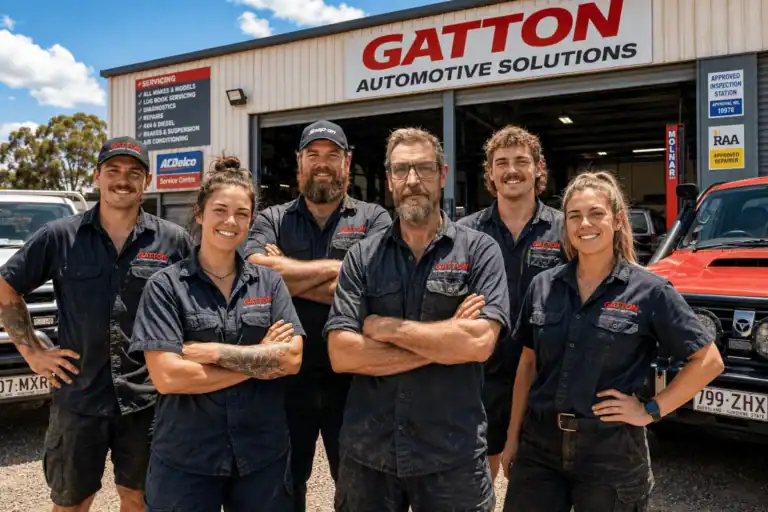
Your Hyundai’s suspension is doing a lot of quiet work every time you drive. It absorbs bumps, keeps your tyres in contact with the road, and gives your steering the precision it needs to respond. When something in that system starts to fail, you’ll usually feel it before you see it. Hyundai suspension repair in Gatton is something we handle regularly at Gatton Automotive Solutions, covering everything from worn shock absorbers to damaged control arm bushings across the full Hyundai range.
Warning Signs Your Hyundai Suspension Needs Attention
Suspension problems rarely appear all at once. More often, they creep in gradually and get written off as just how the car feels. Here are the signs worth taking seriously.
- Bouncing after bumps: If your Hyundai continues to rock or bounce after hitting a pothole or dip, the shock absorbers or struts may be worn out. A healthy car should settle within one or two oscillations.
- Pulling to one side: This can point to uneven strut wear, a collapsed spring, or a worn control arm, all of which affect wheel alignment and steering response.
- Clunking or knocking over rough roads: Worn ball joints, loose sway bar links, or degraded bushings commonly cause this. It tends to be worse over speed bumps or rough surfaces.
- Uneven tyre wear: Cupping, scalloping, or wear concentrated on one edge often traces back to a suspension component that’s no longer holding the wheel at the correct angle.
- Nose-diving under braking: If the front of the car dips sharply when you brake, front struts are likely the culprit.
- Steering feels vague or loose: Worn tie rod ends or ball joints can reduce steering precision in ways that become a genuine safety concern at highway speeds.
Any one of these symptoms on a Hyundai is worth getting looked at promptly. On the highway between Gatton and Toowoomba, or on the rougher rural roads around the Lockyer Valley, compromised suspension puts real stress on every other part of the vehicle.
How We Diagnose and Repair Hyundai Suspension
Hyundai uses a MacPherson strut setup at the front on most of its passenger and SUV range, including popular models like the i30, Tucson, and Santa Fe. The rear varies by model, with multi-link or torsion beam configurations depending on the platform. We approach each car based on what it actually is, not a one-size-fits-all inspection checklist.
Our Inspection Process
We start with a visual inspection of the struts, springs, and mounting points, looking for oil leaks on shock absorbers, cracked or sagged springs, and any visible damage to the subframe or strut towers. From there we test the bushings and ball joints for play and check the sway bar links and end links for wear. We’ll also put the car on the hoist and load-test components that can look fine statically but show wear under pressure.
On later-model Hyundais with electronic stability control and lane-keeping assist, suspension geometry directly influences how those systems perform. A vehicle that’s pulling or wandering isn’t just uncomfortable to drive – it can cause those safety systems to behave unpredictably. We account for that in the way we diagnose and correct alignment after any suspension work.
Parts and Specifications
We source OEM-equivalent or genuine-spec parts suited to your Hyundai’s model year and drivetrain. Some owners opt for genuine Hyundai parts for peace of mind, others prefer quality aftermarket components that meet or exceed OEM specifications. We’ll explain the options clearly and let you decide what’s right for your situation and budget. Either way, we won’t fit a part we wouldn’t put on our own vehicles.
What Affects the Cost and Time for Suspension Work?
The honest answer is that it depends on the vehicle, what’s actually worn, and how far the problem has progressed. Replacing a single sway bar link is a straightforward job. A full strut replacement on both sides, with springs and top mounts, is a bigger task. A few things that influence the final scope:
- Whether one side or both sides need attention
- The age and condition of related components like tie rod ends and ball joints, which are often worth replacing at the same time
- Whether a wheel alignment is needed after the repair (it almost always is)
- Parts availability for your specific Hyundai model and build year
We’ll give you a clear picture of what’s needed and what’s optional before any work starts. No surprises on the bill.
Why Gatton Drivers Bring Their Hyundais to Us
Gatton Automotive Solutions is a full-service workshop, which means your Hyundai’s suspension repair doesn’t require a trip to Ipswich or Toowoomba. We handle suspension diagnostics, repairs, and upgrades in-house, and we can pair that with a wheel alignment, tyre fitting, and a roadworthy certificate if one’s needed – all without you having to coordinate between multiple workshops.
We work on everything from everyday passenger cars and family SUVs through to utes, 4WDs, trucks, and heavy equipment, so we’re not limited to a narrow slice of the vehicle market. Our team has seen most of the common Hyundai suspension wear patterns across the i30, Accent, Tucson, and Santa Fe, and we approach each job with straightforward advice and honest pricing. With five-star reviews from drivers across the Lockyer Valley, that reputation is something we take seriously.
If your Hyundai isn’t riding or handling the way it should, don’t leave it until it becomes a bigger problem. Book Your Free Inspection online or Call Us Now, and we’ll take a look at what’s going on with your Hyundai’s suspension right here in Gatton.