A slipping, grinding, or heavy clutch pedal is one of those problems that tends to get worse the longer you leave it. Great Wall Clutch Repair is something we handle regularly at Gatton Automotive Solutions, and getting the diagnosis right from the start makes a real difference to how long the repair lasts. Great Wall vehicles, including the Steed ute and the V200 and V240 series, put their clutches under genuine load, especially when they’re being used the way most Lockyer Valley owners actually use them, towing trailers, carrying gear, or covering distance on mixed road surfaces. A clutch that’s starting to wear won’t always give you much warning, so knowing the signs early helps.
Common Signs Your Great Wall Clutch Needs Attention
The clutch system transfers power from the engine to the gearbox, and when any part of it starts to fail, you’ll usually feel it before you hear it. Some symptoms come on gradually, others show up quickly depending on how the vehicle has been used.
- Slipping under load: The engine revs climb but the vehicle doesn’t accelerate in proportion. This is particularly noticeable when towing or on a hill start.
- Difficulty selecting gears: Crunching or resistance when changing gears, even with the clutch pedal fully pressed, can point to a worn clutch plate or a hydraulic issue in the slave or master cylinder.
- High bite point: If the clutch only engages right at the top of the pedal’s travel, the friction material is likely close to the end of its service life.
- Vibration or shudder on take-off: A juddering sensation when pulling away from a stop is often caused by contamination on the clutch plate, or a worn pressure plate that’s not applying force evenly.
- Burning smell after driving: That sharp, acrid smell after a run, especially after towing, usually means the clutch is slipping and generating heat it shouldn’t be.
If you’re noticing any of these in your Great Wall around Gatton or out in the valley, it’s worth having the clutch assessed before the problem gets more expensive.
How We Diagnose and Repair Great Wall Clutches
Great Wall’s drivetrain setup on the Steed and V-series utes borrows from a Mitsubishi 4G63 or 4D20 engine and gearbox platform, depending on the model and year. This is actually useful information at the workshop level, because it means parts sourcing is more practical than it might be for some other Chinese-manufactured vehicles, and it gives us a clear picture of what clutch components and hydraulic specifications apply to your vehicle.
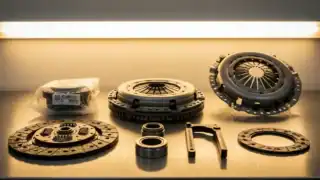
We start with a road test to understand how the clutch is behaving under real conditions, then a visual inspection once the vehicle is on the hoist. For hydraulic clutch systems, we check the master cylinder, slave cylinder, and hydraulic line for leaks, wear, or pressure loss. A weak hydraulic circuit can mimic the symptoms of a worn clutch disc, so confirming the hydraulic side is working properly before opening up the bellhousing saves time and avoids unnecessary parts replacement.
When the clutch kit is removed, we inspect the flywheel for scoring, heat cracks, or hot spots. On Great Wall utes that have done hard work, a lightly resurfaced or replaced flywheel often means the new clutch kit beds in properly and lasts significantly longer than if it had been fitted to a damaged surface. We’ll let you know what we find and what your options are before any additional work is carried out.
Parts are sourced to suit your specific model and year. We can supply OEM-equivalent clutch kits that match the original specification, and we’ll discuss the options with you openly so you understand what you’re getting.
What Affects the Cost and Time Involved in Great Wall Clutch Repair?
Clutch repairs on Great Wall utes vary depending on a few honest factors. The extent of wear matters, whether it’s a clutch kit replacement only, or whether the flywheel also needs attention. The hydraulic circuit adds to the job if cylinders or lines need replacing alongside the clutch itself. Four-wheel drive models with a transfer case add some complexity to the gearbox removal and refitting process.
Parts availability for Great Wall vehicles has improved over the years given the shared Mitsubishi drivetrain components, but lead times can occasionally apply for specific items. We handle parts sourcing directly, so you’re not left chasing down components yourself. We’ll give you a clear picture of the scope and cost before work begins, with no surprises at the end.
Why Choose Gatton Automotive Solutions for Your Great Wall Repair?
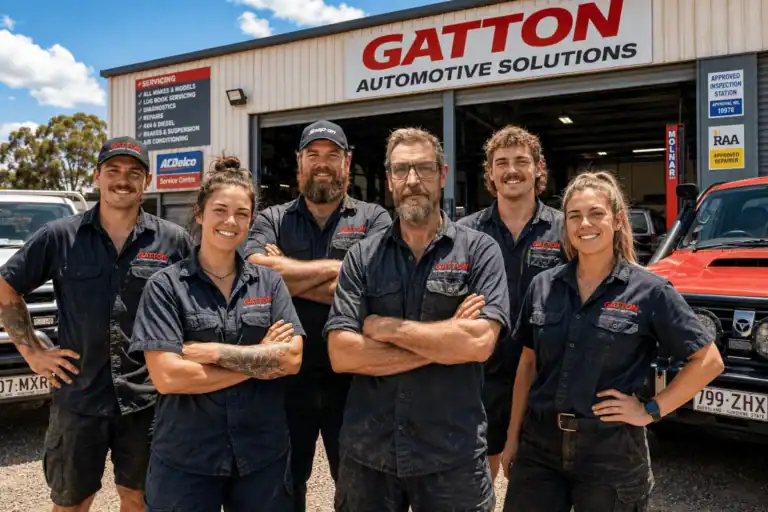
We’re a full-service workshop based in Gatton that handles everything from everyday passenger cars through to 4WDs, utes, trucks, and heavy equipment. Great Wall clutch repair sits comfortably within that scope. Plenty of our customers have previously made the drive to Ipswich or Toowoomba for mechanical work, and while we understand why, most of the jobs they needed are things we handle right here in the Lockyer Valley.
Our approach is straightforward: inspect the vehicle properly, tell you what we found, give you honest advice on what needs doing now versus what can wait, and price the job fairly. We’ve built a strong local reputation in Gatton on exactly that basis, with five-star reviews reflecting the kind of work we consistently do. There’s no upselling, no unnecessary work, and no pressure to approve repairs you’re not comfortable with. From general mechanical work for everyday drivers all the way to heavy vehicle and equipment servicing, smash repairs, custom paintwork, suspension upgrades, tyre supply and fitting, roadworthy certificates, and parts sourcing, we take care of it all under one roof.
If your Great Wall ute is showing signs of clutch wear, Call Us Now or Book Your Free Inspection online. We’re here in Gatton and ready to help you get it sorted properly.