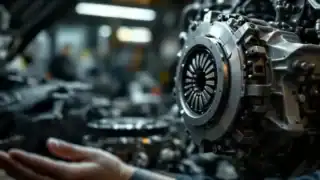
A failing clutch doesn’t always go out all at once. For Jeep owners in Gatton, it’s usually a gradual thing – a bit of slip here, a grinding gear change there – until one day the vehicle simply won’t move properly. Jeep clutch repair covers everything from replacing worn friction discs and pressure plates through to diagnosing hydraulic clutch system faults, which are common across a range of Jeep models. Getting it sorted early saves you from a much bigger job down the track.
Signs Your Jeep Clutch Needs Attention
Jeep clutch problems tend to show up in a few recognisable ways. Some are obvious, others easy to dismiss until they get worse. If you’re noticing any of the following, it’s worth having things looked at before the clutch stops working altogether.
- Clutch slipping – the engine revs climb when you accelerate but the vehicle doesn’t gain speed at the same rate. This usually means the friction disc is worn past its serviceable limit.
- Difficulty getting into gear – if you’re forcing first or reverse, or gears are crunching, the clutch may not be fully releasing. This can point to a hydraulic fault in the master or slave cylinder rather than the clutch itself.
- Clutch pedal sitting high or low – a change in pedal feel or travel often signals a hydraulic issue. Jeep’s hydraulic clutch systems can develop internal leaks that affect pedal response before any mechanical wear becomes obvious.
- Burning smell after hills or heavy loads – Jeep Wranglers, Cherokees, and Gladiators used off-road or towing regularly put extra heat and stress through the clutch. A burning smell under those conditions means the clutch is being overworked and may be close to failure.
- Shudder on take-off – a juddering sensation as you pull away can indicate contaminated clutch components, often from oil seeping past a rear main seal or gearbox input shaft seal.
How We Diagnose and Repair Jeep Clutch Problems
Jeep’s clutch systems vary across the model range. Wrangler and Gladiator models use hydraulic clutch actuation, and diagnosing faults correctly means checking the full hydraulic circuit – master cylinder, slave cylinder (which on many Jeep models is concentric and mounted inside the bell housing), fluid condition, and any signs of leakage – before assuming the friction components are the problem. Jumping straight to a clutch replacement without checking the hydraulics first is how unnecessary parts get fitted.
Our process starts with a proper inspection and a test drive to understand exactly how the clutch is behaving. We check pedal travel and feel, inspect for fluid leaks around the master cylinder and along the hydraulic line, and assess clutch engagement point. If the vehicle needs the gearbox dropped to inspect the friction disc, pressure plate, and release bearing directly, we do that before confirming what parts are actually needed.
For most Jeep models, we source OEM-specification or genuine-equivalent parts that meet the manufacturer’s requirements. Jeep clutch assemblies are purpose-built to handle the torque outputs of the 2.0L turbocharged, 3.6L Pentastar V6, and 3.0L diesel engines depending on the model, so using correctly rated components matters. A clutch that’s underspecified for the engine or the way the vehicle is used won’t last.
What About Off-Road-Modified Jeeps?
Plenty of Jeeps in the Lockyer Valley are set up for off-road use – lifted, running larger tyres, and used on unsealed terrain. Modified Jeeps can put additional strain through the drivetrain, and clutch wear rates are often higher as a result. If your Jeep has been modified, we take that into account when assessing clutch condition and recommending replacement components. There are performance-oriented clutch options suited to off-road or towing-heavy use, and we can talk through what makes sense for your specific setup.
What Affects the Cost and Time Involved
Clutch repair pricing varies depending on a few real factors. The main ones for Jeep vehicles are the model and engine combination (a Wrangler Rubicon with the 3.6L takes longer to access than a Cherokee with a more straightforward configuration), whether the hydraulic components need replacement alongside the friction assembly, and what parts are specified. Replacing just the friction disc is less involved than a full clutch kit including pressure plate, release bearing, and pilot bearing, but doing the full kit in one visit is generally better value than returning later.
Parts availability for Jeep in regional Queensland has improved, but some model-specific components may take a couple of days to source. We handle parts sourcing directly, so you won’t be chasing suppliers yourself.
Jeep Clutch Repairs in Gatton, Without the Drive to Ipswich
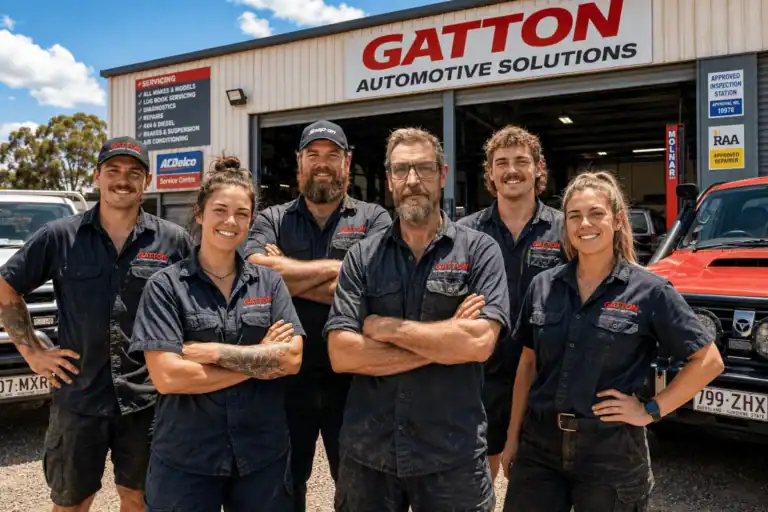
Gatton Automotive Solutions is a full-service workshop handling everything from everyday mechanical repairs through to heavy vehicle work, 4WD servicing, and smash repairs. You don’t need to drive 45 minutes to Ipswich or Toowoomba for a clutch job. We work on cars, 4WDs, utes, and commercial vehicles, and our parts sourcing is handled in-house. With five-star reviews, local drivers across Gatton and the Lockyer Valley trust us to give them straight answers and honest pricing – no upselling, no work done without your approval first.
If your Jeep’s clutch is giving you grief, Call Us Now or Book Your Free Inspection online. We’ll take a proper look and tell you exactly what’s needed.