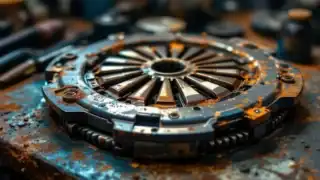
A slipping, grinding, or unresponsive clutch is one of those problems that tends to get worse the longer it’s left. For Jeep owners in Gatton, a clutch replacement isn’t just about getting the pedal feel back — it’s about keeping a capable vehicle reliable on the road, whether that’s the daily commute, a run out to the farm, or a weekend on rougher terrain. Jeep clutch replacement covers the full assembly: the friction disc, pressure plate, release bearing, and in most cases the flywheel surface, all working together to transfer power smoothly from the engine to the gearbox.
Warning Signs Your Jeep Clutch Needs Attention
Clutch wear doesn’t usually announce itself all at once. It tends to creep up, and Jeep drivers often adapt to the changes without realising how far things have deteriorated. Here are the signs worth paying attention to:
- Slipping under load: The engine revs climb but the vehicle doesn’t accelerate as expected, especially noticeable when towing, climbing a grade, or pulling away from a standstill.
- High engagement point: The clutch bites near the top of the pedal travel rather than in the mid-range. This usually means the friction disc is worn thin.
- Difficulty getting into gear: Crunching or resistance when selecting first or reverse, sometimes accompanied by a grinding noise from the gearbox.
- Clutch pedal vibration: A juddering or shuddering sensation through the pedal or the whole drivetrain when pulling away smoothly.
- Burning smell: A sharp, acrid smell after driving in traffic or on a hill hold, caused by the friction material overheating.
- Soft or spongy pedal: On hydraulic clutch systems common to many late-model Jeeps, this can point to air in the hydraulic line or a failing master or slave cylinder alongside clutch wear.
If any of these symptoms are familiar, it’s worth booking an inspection before the clutch gets to the point of complete failure. Getting stranded with a dead clutch is avoidable with early attention.
How We Approach Jeep Clutch Replacement
Jeep’s drivetrain lineup covers a fair spread, from the petrol-powered Wrangler with its heavy-duty manual gearbox to the diesel Gladiator, and older Cherokee and Grand Cherokee models with manual transmissions that have their own quirks. Each has specific clutch geometry and hydraulic specifications, so the job starts with confirming the exact vehicle variant and transmission before we order parts or pull anything apart.
Our process begins with a clutch engagement inspection and a check of the hydraulic system where applicable. On Jeep models fitted with a hydraulic clutch actuation setup, we check the master cylinder, slave cylinder, and fluid condition as part of the assessment. A worn clutch on a vehicle with a compromised hydraulic circuit will continue to give trouble even after the mechanical components are replaced, so we look at the full picture.
During the replacement itself, we remove the gearbox to access the clutch assembly. The friction disc, pressure plate, and release bearing are replaced as a set. We inspect the flywheel surface for heat cracks, scoring, or warping. On many Jeep applications, particularly those used for towing or off-road work, flywheel resurfacing or replacement is recommended rather than optional. Fitting a new friction disc against a damaged flywheel surface shortens the life of the new parts significantly. We source OEM-specification or genuine-equivalent components suited to the specific Jeep model, because Jeep clutch kits vary meaningfully between the Wrangler’s heavier-duty setup and the lighter demands of a Cherokee.
Once everything is reassembled, we bleed the hydraulic system if it was disturbed, adjust pedal free-play where the system allows, and road test to confirm correct engagement across the rev range.
What Affects the Cost and Time for a Clutch Replacement in Gatton?
Clutch replacement is a labour-intensive job regardless of the vehicle, because accessing the clutch means removing the gearbox. On Jeep models with part-time four-wheel drive, the transfer case may also need to come out, which adds time. A Wrangler with a manual transfer case takes longer to disassemble and reassemble than a two-wheel-drive passenger vehicle.
Parts selection also plays a role. OEM-specification clutch kits designed for Jeep’s torque and application requirements tend to outperform generic alternatives, particularly for vehicles doing towing or off-road work. If the flywheel needs resurfacing or replacement, that adds cost but protects the investment in the new clutch. We’ll explain what the inspection reveals before any work proceeds, so there are no surprises.
Why Choose Gatton Automotive Solutions for Your Jeep
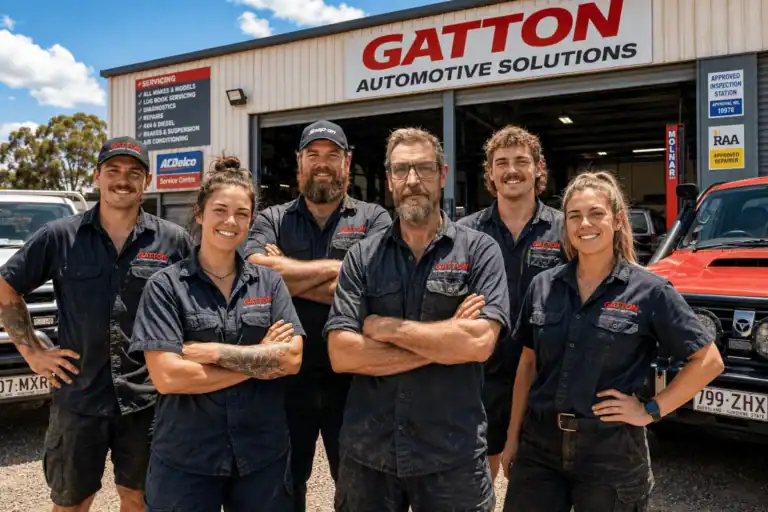
We’re a full-service workshop in Gatton handling everything from everyday cars and 4WDs through to trucks, heavy equipment, and agricultural machinery. Jeep clutch work sits comfortably alongside the other drivetrain and transmission jobs we handle regularly. There’s no need to drive to Ipswich or Toowoomba for a job that can be done locally, properly, and with honest advice about what’s actually needed.
We handle parts sourcing in-house, which means we can track down the right components for your specific Jeep variant without you chasing suppliers yourself. Our pricing is straightforward. We don’t quote for work we don’t think is necessary, and if we find something else worth knowing about during the job, we’ll tell you before touching it.
With five-star reviews, the reputation we’ve built in the Lockyer Valley comes down to doing the job right and treating people fairly. It’s as simple as that.
If your Jeep’s clutch is showing any of the symptoms above, Call Us Now or use the online booking to Book Your Free Inspection. We’re right here in Gatton and ready to help.