A failing clutch is one of those problems that rarely fixes itself. If you’re noticing the first signs of trouble in your Jeep, getting a proper assessment sooner rather than later can save you from a roadside breakdown and a much bigger repair bill. Jeep clutch repair is a job that calls for a mechanic who understands how these vehicles are built and how they’re actually used, especially here in Gatton and across the Lockyer Valley where plenty of Jeeps are doing real work on real terrain.
How Do You Know Your Jeep Clutch Needs Attention?
Jeep owners tend to notice clutch wear in a few distinct ways. The pedal might feel spongy or sit lower than it used to. You might hear a grinding or squealing noise when pressing the clutch in, or feel a vibration through the floor as you engage it. Slipping is another common sign, where the engine revs climb but the vehicle doesn’t accelerate the way it should, especially when pulling away or climbing a hill.
Jeep Wrangler and Cherokee models used for off-road driving or towing often wear clutch components faster than city-driven vehicles. The combination of low-speed crawling, uneven terrain, and heavy loads puts significantly more stress on the clutch disc, pressure plate, and release bearing than standard highway driving does. If any of these symptoms sound familiar, it’s worth having the system checked before the problem gets worse.
- Clutch pedal sitting noticeably lower or feeling soft underfoot
- Slipping or surging under load, particularly on hills or when towing
- Grinding or squealing noise when the pedal is depressed
- Difficulty selecting gears, or gear changes that feel rough or notchy
- A burning smell after hard use or steep descents
- Clutch pedal that vibrates or chatters on engagement
What Does a Jeep Clutch Repair Actually Involve?
We start with a thorough inspection before any parts are ordered or removed. That means checking the clutch pedal travel and freeplay, testing the hydraulic master and slave cylinder if your model uses a hydraulic clutch system, and looking at the overall condition of the drivetrain. Many Jeep models, including the Wrangler JK, JL, and Cherokee KL, use a hydraulic clutch setup where a faulty slave cylinder can mimic the symptoms of a worn clutch disc. Getting the diagnosis right first means you’re only paying for what actually needs doing.
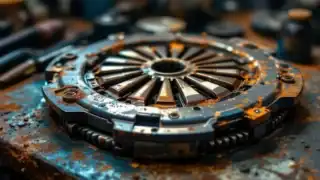
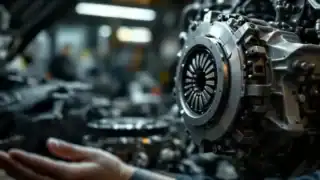
Once we’ve confirmed the fault, we remove the gearbox to access the clutch assembly. In most cases, a full clutch kit replacement makes sense rather than replacing individual components, since the disc, pressure plate, and release bearing are all subject to similar levels of wear. We also inspect the flywheel carefully for heat cracks, scoring, or glazing. A damaged flywheel that’s left in place can destroy a new clutch prematurely, so we either resurface or replace it depending on what we find.
For Jeep models, we source parts that meet OEM specifications, which matters for these vehicles because the clutch system needs to handle the torque output and four-wheel drive engagement patterns specific to the model. We’ll discuss options with you, whether that’s a genuine-equivalent quality kit or an OEM part, so you can make an informed call based on your budget and how you use the vehicle.
Jeep-Specific Consideration: Transfer Case and Dual-Mass Flywheel
Some later Jeep Grand Cherokee models fitted with diesel engines use a dual-mass flywheel, a component that absorbs drivetrain vibration. These are more expensive to replace than a standard flywheel, and the condition of a dual-mass flywheel should always be assessed when doing a clutch replacement on these models. We check for excessive rotational play and rattle, which are early signs that the flywheel is on its way out. Replacing the clutch without addressing a failing dual-mass flywheel is a false economy.
What Affects the Cost and Time of a Jeep Clutch Replacement?
A few variables will influence what your repair involves and what it costs. The model and year of your Jeep matters, since some configurations require more labour to access the clutch assembly. The condition of the flywheel is a significant factor, as resurfacing costs less than full replacement. The choice between OEM and quality aftermarket parts also affects the final figure. We’ll give you a clear quote before any work starts, so there are no surprises.
Turnaround depends on parts availability and the scope of work. We handle our own parts sourcing here at the workshop, which helps avoid delays. Jobs that require a flywheel replacement alongside a full clutch kit naturally take longer than a straightforward kit swap, but we’ll let you know what to expect upfront.
Why Lockyer Valley Jeep Owners Come to Gatton Automotive Solutions
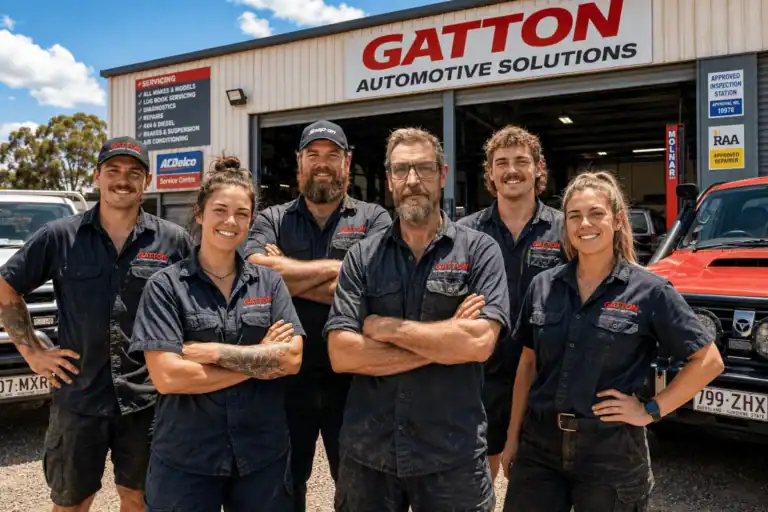
We’re a full-service workshop in Gatton covering everything from everyday passenger cars through to 4WDs, utes, and heavy equipment. Jeep clutch work sits comfortably within what we do every day. There’s no need to drive to Ipswich or Toowoomba when the same quality of work is available locally, with straight pricing and honest advice. We don’t recommend work that isn’t needed, and we explain what we find so you can make your own decision.
With five-star reviews, our reputation in the Gatton area speaks for itself. Whether your Jeep is your daily driver, your weekend off-roader, or part of a small business fleet, we’ll get it sorted properly. Gatton Automotive Solutions also issues roadworthy certificates on-site, handles smash repairs and custom paintwork, and offers suspension upgrades and tyre fitting, so if your Jeep needs more than just a clutch fix, everything can be taken care of in the one place.
To book a clutch inspection for your Jeep, use the Book Your Free Inspection button on this page or Call Us Now. We’re right here in Gatton and ready to help.