Volkswagen engines are built to tight tolerances, and the oil that runs through them does more than just lubricate moving parts. It carries heat away from the engine, keeps seals conditioned, and suspends the fine particles that accumulate with normal use. A Volkswagen oil change done on schedule protects that engineering from the inside out. For VW owners in Gatton and across the Lockyer Valley, keeping up with oil service intervals is one of the most straightforward things you can do to extend the life of your engine.
How Often Does a Volkswagen Need an Oil Change?
Volkswagen uses a variable service interval system on most modern models, where the vehicle’s onboard computer calculates service intervals based on driving style, mileage, and engine load rather than a fixed kilometre count. The instrument cluster will display a service reminder when the interval is reached. That said, many VW owners in regional areas like Gatton cover a mix of highway kilometres and short town trips, and shorter journeys can cause oil to degrade faster than the interval system anticipates.
As a general guide, most Volkswagen petrol models benefit from an oil and filter change every 10,000 to 15,000 kilometres, while turbocharged engines, including the widely used TSI and TDI units, are often best served more frequently. If you’re driving a Golf GTI, Tiguan, Amarok, or Transporter regularly, ask us about the right interval for your specific model and driving pattern.
Signs Your VW Is Due for an Oil Change
The service reminder light is the obvious signal, but there are other signs that oil is past its best before that light comes on:
- Dark, thick oil on the dipstick – fresh oil is amber and flows easily; old oil turns black and becomes sludgy over time
- Engine running noisier than usual – a tapping or ticking sound on startup often means oil isn’t reaching components as quickly as it should
- Oil level dropping between services – some VW engines, particularly older 2.0L TSI units, can consume a small amount of oil between changes; keeping an eye on the dipstick matters
- Reduced fuel efficiency – degraded oil creates more friction, which means the engine works harder and burns more fuel
- Oil warning light or service indicator – don’t ignore either; run the engine on degraded oil long enough and you risk real damage
What We Do During a Volkswagen Oil and Filter Change
We don’t just drain and refill. Our process for a Volkswagen engine oil change is thorough and specific to the model we’re working on.
We start by confirming the correct oil specification for your vehicle. Volkswagen publishes detailed oil standards, including the VW 504.00, 507.00, and 502.00 specifications depending on the engine type and year. Using the wrong viscosity or oil standard in a VW engine, particularly a turbocharged one, can cause premature wear or void service history. We use oils that meet or exceed the manufacturer’s specification for your exact model.
From there, we drain the old oil completely, replace the oil filter with a quality equivalent that meets OEM spec, inspect the drain plug and washer, and refill to the correct level. We also reset the service indicator in your instrument cluster so the interval tracking starts fresh. If we spot anything else during the service, such as a weeping rocker cover gasket, which is a known wear item on several VW four-cylinder engines, we’ll let you know before doing any additional work.
Volkswagen-Specific Considerations
Several VW models have known oil-related quirks worth being aware of. The 2.0L TFSI and TSI engines fitted to Golfs, Passats, and Tiguans from certain model years have a documented tendency toward elevated oil consumption. If your VW is going through oil faster than expected, it’s worth having us check the PCV (positive crankcase ventilation) system and piston ring condition rather than just topping up and continuing. Early diagnosis saves money.
The Amarok’s 3.0L V6 TDI also has specific oil service requirements tied to its AdBlue and emissions system. We handle Amarok oil servicing with the same attention to spec as we do passenger vehicles.
What Affects the Cost of a Volkswagen Oil Change?
Oil change pricing for a Volkswagen varies depending on the engine type, the volume of oil required, and whether you need a full synthetic meeting VW’s long-life specification. Turbocharged engines and models that require a higher oil volume, such as the V6 Amarok, will sit at a different price point than a standard 1.4L TSI. We source quality parts and fluids at fair prices, and we’ll tell you upfront what’s involved before we start. No surprise additions at pickup.
Volkswagen Servicing in Gatton, Without the Drive to Ipswich
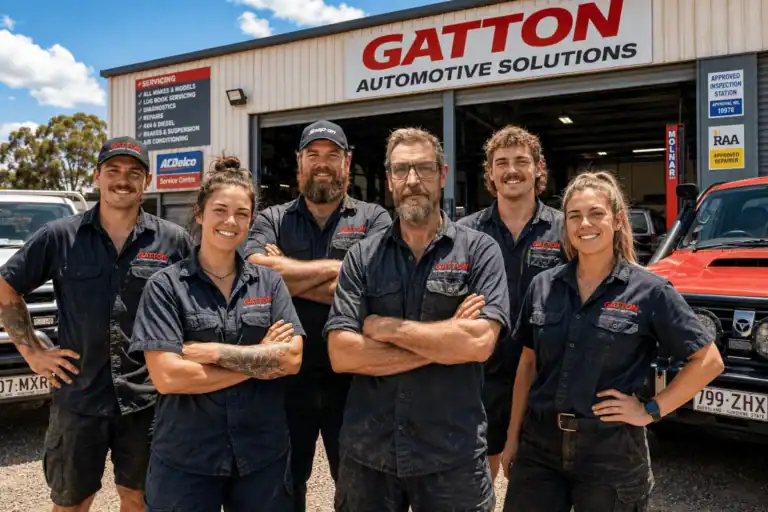
Gatton Automotive Solutions is a full-service workshop. We handle everything from everyday cars and 4WDs through to utes, commercial vehicles, and heavy equipment, all under the one roof in Gatton. There’s no need to drive 45 minutes to Ipswich or Toowoomba for a quality Volkswagen oil and filter change. Our team gives you honest advice, uses the right parts for your vehicle, and gets the job done properly.
With five-star reviews from local customers, we’ve built our reputation on doing the work right and being straight with people about what their vehicle needs. Fast while-you-wait servicing is available for straightforward oil changes, so you’re not losing half your day.
Ready to get your VW back on schedule? Book Your Free Inspection online or Call Us Now, and we’ll take care of it from here.