Volkswagen Brake Repair is one of the more common jobs we handle at Gatton Automotive Solutions, and for good reason. VW brakes are well-engineered, but they operate within tight tolerances, and when components wear or develop a fault, the car tends to let you know fairly quickly. If your Polo, Golf, Tiguan, Transporter, or Amarok is giving you any kind of feedback through the pedal, the brakes need attention sooner rather than later. Brakes are the one system you genuinely cannot afford to leave until next time.
Signs Your Volkswagen’s Brakes Need Attention
VW models across the current range use an electronic brake wear indicator system. When the pads reach minimum thickness, a warning light appears on the dash, usually a small disc-brake icon. That light means the pads are close to the wear limit. It does not mean you have time to wait a few more weeks.
Beyond the warning light, pay attention to these signs:
- Squealing or high-pitched squeaking when braking, especially from cold, is often the wear indicator tabs making contact with the rotor.
- Grinding or metallic scraping means the pad material has worn through and the backing plate is contacting the disc. This causes rotor damage quickly.
- Soft or spongy pedal feel may point to air in the brake lines or fluid issues in the hydraulic system.
- Pulling to one side under braking can indicate a sticking caliper or uneven pad wear.
- Vibration through the pedal or steering wheel during braking often means warped or unevenly worn rotors.
- Longer stopping distances with normal pedal pressure is a clear sign something is not performing as it should.
If you are noticing any of these, it is worth getting the car in. VW’s brake systems are designed to work together as a unit, so a problem in one area often affects the whole system’s performance.
How We Approach Volkswagen Brake Diagnostics and Repairs
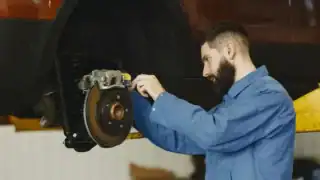
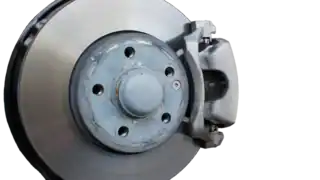
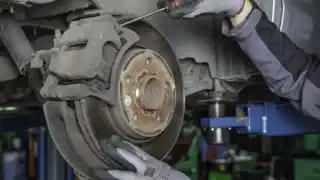
We start with a thorough visual and physical inspection before any parts are recommended. On a Volkswagen, that means checking pad thickness against the manufacturer’s minimum specification, measuring rotor thickness and looking for scoring, heat cracking, or lip formation around the edges. We also check the caliper slides and pins, which are a known wear item on many VW models, including the Golf and Tiguan. Seized or sticky caliper slides cause uneven pad wear and can accelerate rotor damage even when the pads themselves appear acceptable.
For VW models with electronic handbrake systems, including most current Golfs and Tiguans, rear brake service involves resetting the electric parking brake motor through a scan tool before the caliper pistons can be properly compressed. This is a Volkswagen-specific procedure that cannot be skipped. Attempting a rear brake service on these models without the correct electronic reset can damage the caliper motor or leave the parking brake unable to calibrate correctly. We handle this as standard practice on any rear brake job involving these models.
We also check brake fluid condition as part of the process. Volkswagen’s service schedule recommends replacing brake fluid every two years regardless of distance, because brake fluid is hygroscopic, meaning it absorbs moisture from the air over time. Water contamination lowers the fluid’s boiling point and can cause brake fade under hard use. If your fluid is overdue, we will flag it.
Parts and Specifications for VW Brakes
We source brake components to OEM specification or genuine-equivalent quality. For most Volkswagen applications, that means matched pad and rotor sets with the correct friction coefficient and bedding-in profile for the platform. Fitting budget pads to a VW with a sport-tuned brake bias can compromise feel and performance, so we match parts to what the vehicle was designed for. If there are options worth discussing, we will explain the difference before proceeding.
What Affects the Cost and Time of a VW Brake Repair?
Brake work on a Volkswagen varies depending on which axle needs attention, whether rotors need replacing alongside the pads, and whether any calipers or hardware have seized or corroded. Front brake jobs are generally more straightforward. Rear brake work on models with electronic parking brakes takes a little longer due to the reset procedure. If a caliper needs replacing, that adds parts cost and time. We do not recommend work that is not needed, and we will explain exactly what we are seeing before we start.
Parts availability for most current and recent VW models is solid, and we handle parts sourcing in-house, which keeps things moving without the delays that come from chasing down components yourself.
Volkswagen Brake Repairs in Gatton, Without the Drive to Toowoomba or Ipswich
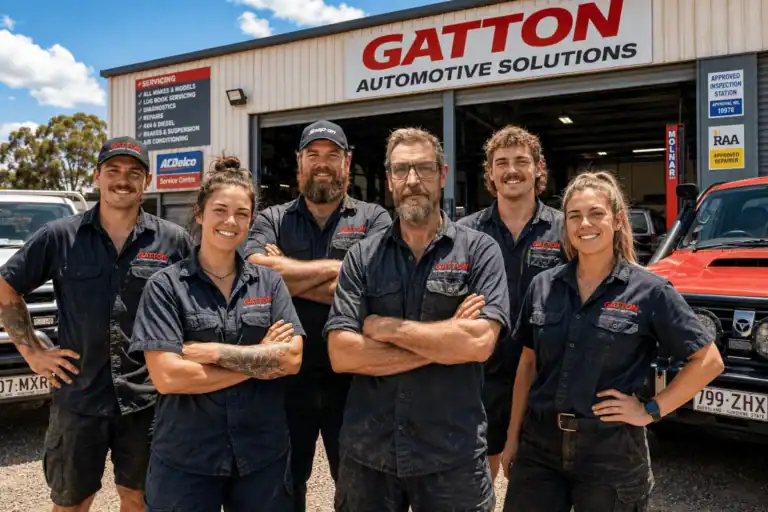
Gatton Automotive Solutions is a full-service workshop that handles everything from everyday passenger cars and 4WDs through to trucks, heavy equipment, and agricultural machinery. You do not need to make a 45 to 80 kilometre round trip to access qualified mechanical work on your Volkswagen. We issue roadworthy certificates on-site and handle tyre fitting and suspension work under the same roof, so if your brake inspection uncovers something else that needs sorting, we can usually address it in the same visit.
Our reputation in the Lockyer Valley comes from straightforward advice and honest pricing. We see a lot of VWs come through with deferred maintenance, and we are not here to sell work that does not need doing. We will tell you what is urgent, what can wait, and what we would recommend you keep an eye on.
Ready to get your Volkswagen’s brakes checked? Book Your Free Inspection online or Call Us Now, and our team in Gatton will take it from there.