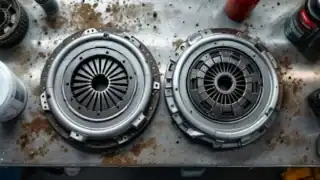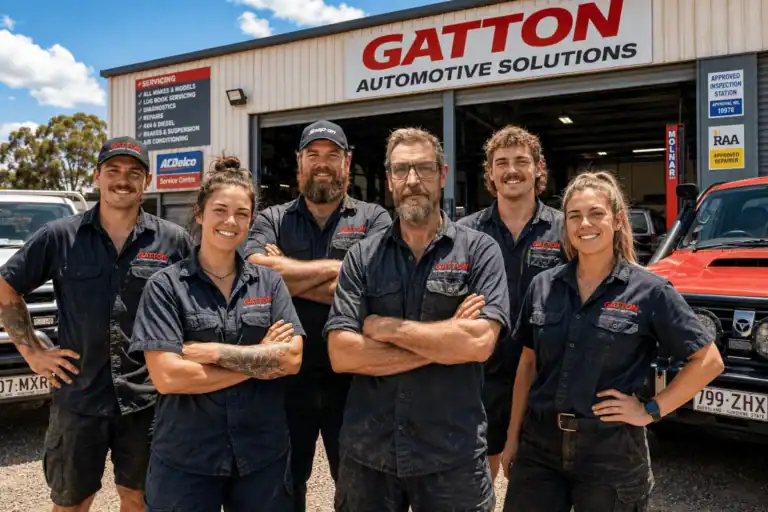
A slipping, shuddering, or difficult-to-engage clutch is one of those problems that rarely fixes itself. For drivers across the Lockyer Valley, Japanese vehicles clutch repair is one of the more common jobs we handle at Gatton Automotive Solutions, and for good reason. Japanese-made vehicles, from Toyotas and Hondas to Mazdas, Subarus, Mitsubishis, and Nissans, are everywhere in this region, and their clutch systems have specific characteristics worth understanding before you book.
Signs Your Japanese Vehicle’s Clutch Needs Attention
Japanese manufacturers generally build reliable clutch systems, but no clutch lasts forever. The way yours fails often depends on how the vehicle has been used. Utes and 4WDs working in agricultural settings around Gatton and the broader Lockyer Valley tend to wear through clutch components faster than a city commuter car. Towing, constant low-speed manoeuvring on property, and dusty conditions all accelerate wear.
Watch for these warning signs:
- Slipping under load: You rev the engine but the vehicle doesn’t accelerate at the same rate, particularly when going uphill or pulling a trailer.
- High bite point: The clutch only engages right at the top of the pedal travel, which typically means the friction material is worn thin.
- Shuddering on takeoff: A jerky, vibrating feeling when pulling away from a stop, often caused by a contaminated or glazed clutch disc.
- Difficulty selecting gears: Grinding into first or reverse, or gears refusing to engage cleanly, may point to a clutch that isn’t fully releasing.
- Burning smell after hill starts or heavy use: The distinctive scorched smell of an overworked clutch facing the end of its service life.
- Spongy or heavy pedal feel: Changes in pedal resistance or a soft, inconsistent feel can indicate hydraulic issues in the clutch master or slave cylinder.
If any of these symptoms are present, it’s worth getting the clutch inspected sooner rather than later. A clutch that slips badly enough can leave you stranded, and damage to the flywheel from a dragging or contaminated clutch disc will add significantly to the repair cost if left unaddressed.
How We Approach Japanese Vehicle Clutch Diagnostics and Repair in Gatton
Not all clutch jobs are the same, and Japanese vehicles in particular have some model-specific considerations that matter when diagnosing the problem correctly. Our approach starts with a thorough assessment before any parts are ordered or quoted.
We check pedal feel and hydraulic operation first. Many Japanese vehicles use a hydraulic clutch system, and a failing master or slave cylinder can mimic the symptoms of a worn friction disc. Replacing the disc when the hydraulic system is the actual fault wastes money. We look at the full system before arriving at a diagnosis.
When the gearbox does come out, we inspect the clutch disc, pressure plate, and release bearing together. It makes no sense to replace the disc only and leave a worn pressure plate or a noisy throw-out bearing in place. For Subaru models with their horizontally opposed engine layout, or Nissan 4WDs with transfer case considerations, the job has extra complexity that we factor into the assessment. Toyota Hilux and LandCruiser clutch repairs are among the more frequent Japanese vehicle clutch jobs we see, and we understand the differences between generations and drivetrain configurations.
We also inspect the flywheel for scoring, heat cracking, or hot spots. A flywheel in poor condition that isn’t machined or replaced will cause a new clutch disc to wear prematurely or judder from day one. Where the flywheel can be resurfaced, we’ll say so honestly. Where it needs replacing, we’ll tell you that too.
Parts used for Japanese vehicle clutch repairs are sourced to OEM specification or genuine-equivalent quality. For brands like Toyota, Mazda, and Honda, quality aftermarket clutch kits are well-supported and perform reliably. We handle parts sourcing in-house, which means you’re not waiting on a part to arrive from somewhere else before the job can proceed.
What Affects the Cost and Time of a Clutch Repair?
Several factors influence how long a clutch job takes and what it costs. The make and model matters, since some Japanese vehicles have more involved gearbox removal procedures than others. Whether the flywheel needs machining or replacement adds both cost and labour. A clutch that has worn to the point of damaging the flywheel or contaminating the bell housing will cost more to repair than one caught earlier.
All-wheel drive vehicles, such as Subaru Outback and Forester models, require additional work around the transfer case and driveshafts, which adds to the labour component. We’ll walk you through what’s involved for your specific vehicle before work begins, so there are no surprises.
Servicing Gatton and the Lockyer Valley
There’s no reason to drive to Ipswich or Toowoomba for a clutch repair. Gatton Automotive Solutions handles everything from everyday passenger cars and 4WDs through to light commercial vehicles and farm equipment, all under one roof in Gatton. We’ve built a reputation across the Lockyer Valley for straight advice and honest pricing, with five-star reviews reflecting how we work. We don’t recommend work that isn’t needed, and we explain what we find before we proceed.
If your clutch doesn’t feel right, Call Us Now or Book Your Free Inspection online. We’ll tell you exactly what’s going on and what your options are for your Gatton area vehicle.