Limited Time: Free Windscreen Wipers With Any Service. Subject To Availability.

Locally Owned & Operated
Honest Upfront Pricing
5★ Reviews
All Makes & Models

Verified 5★ Reviews

Top Rated Japanese Vehicles Cooling System Repair In Gatton

We diagnose and repair cooling system faults in Japanese vehicles to keep your engine running at the right temperature. Call us now to book your inspection.

One-Stop Workshop

Honest Advice

5★ Reviews

Japanese Cooling Experts

Book Your Free Inspection

Tell us what you need and we'll get back to you with a clear quote.

Booking Form
  • Vehicle Details
  • Confirm Vehicle
  • Services
  • Contact Details
Honest Quotes
All Vehicle Types
Local & Reliable

Why Book With Us

Book Your Free Inspection
Drop Off Your Vehicle
We Get to Work
Collect Your Car

Japanese vehicles have a well-earned reputation for reliability, but that reputation depends on every system doing its job properly. The cooling system is one area where neglect can turn a minor issue into a costly engine repair surprisingly quickly. Whether you drive a Toyota HiLux doing daily runs across the Lockyer Valley, a Mazda CX-5 used for school pick-ups, or a Nissan Patrol that earns its keep on a working property, Japanese vehicles cooling system repair is something we handle regularly at our workshop in Gatton. Getting it seen to early is almost always the better option.

Why Japanese Vehicles Are Worth Knowing Well

Japanese manufacturers like Toyota, Mazda, Nissan, Mitsubishi, Honda, Subaru, and Isuzu each approach cooling system design with their own engineering preferences. Toyota’s larger four-cylinder and V6 engines typically use a pressurised coolant system with specific OEM-grade coolant formulations. Nissan and Subaru boxer engines have their own coolant routing quirks that can make leak diagnosis less straightforward than it looks. Isuzu diesels, common in utes and trucks throughout the region, run higher operating temperatures and need cooling systems that can keep pace with that load.

Knowing how each manufacturer’s system is designed means we’re not guessing when something isn’t right. We work across the full range of Japanese makes, from everyday family cars to light commercial vehicles and heavier diesel-powered utes and trucks.

Signs Your Japanese Vehicle Cooling System Needs Attention

Some symptoms are obvious. Others are easy to dismiss until the problem gets worse. Watch for any of the following:

  • Temperature gauge climbing higher than normal, particularly in traffic or on warm days around Gatton and the surrounding Lockyer Valley
  • Coolant warning light illuminated on the dashboard
  • Sweet-smelling fluid under the car after it has been parked, which often points to a coolant leak
  • Visible rust, staining, or dried residue around hoses, the radiator, or the coolant reservoir
  • White smoke from the exhaust that isn’t just condensation, especially on a warmed-up engine
  • Heater blowing cold air when it should be producing heat, which can indicate low coolant or a blocked heater core
  • Coolant that looks dark, rusty, or foamy rather than clean and brightly coloured

An overheating engine is a genuine risk to cylinder heads and head gaskets. If your temperature gauge is moving somewhere it shouldn’t be, it’s worth getting it looked at promptly rather than waiting to see if it settles down.

What Does a Cooling System Repair Actually Involve?

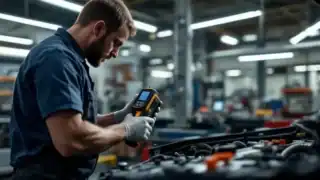
A thorough diagnosis is always the starting point. Cooling system faults can come from several different places, and replacing parts without understanding the root cause often means the problem returns. Our process typically includes a visual inspection of all coolant hoses, the radiator, water pump, thermostat housing, and overflow reservoir. We pressure-test the system to check for leaks that aren’t immediately visible, and we inspect the coolant condition and concentration to see whether a flush is needed alongside any repairs.

For Japanese vehicles specifically, we source coolant that meets the manufacturer’s specifications. Toyota, for example, recommends its Super Long Life Coolant (SLLC), and using an incompatible fluid can cause corrosion in aluminium components over time. Subaru systems similarly benefit from compatible formulations given the horizontally-opposed engine layout and the way coolant circulates through it. We pay attention to these details because cutting corners with fluids causes problems further down the track.

Common Repairs We Carry Out

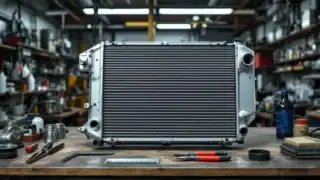
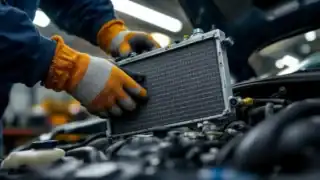
  • Radiator repairs and replacement
  • Water pump replacement
  • Thermostat and housing replacement
  • Coolant hose replacement (upper and lower)
  • Coolant flush and refill to OEM-spec fluid
  • Cooling fan and fan clutch inspection and repair
  • Pressure testing and leak location

What Affects the Cost and Time for Cooling System Work?

The honest answer is that it varies. A straightforward coolant flush and refill on a passenger car is a different job to replacing a water pump on a turbocharged diesel ute, where engine bay access alone adds time. Parts availability plays a role too. We handle our own parts sourcing, which means we’re not sending you elsewhere to track things down, and we can discuss genuine-equivalent versus aftermarket options with you so you can make an informed call.

If the cooling system fault has contributed to other damage, such as a compromised head gasket, the scope of work increases accordingly. We’ll always tell you what we find before we proceed, so there are no surprises on the bill.

Getting Your Japanese Vehicle Serviced in Gatton

There’s no need to drive to Ipswich or Toowoomba for quality cooling system work on your Toyota, Mazda, Nissan, Mitsubishi, Honda, Subaru, or Isuzu. Gatton Automotive Solutions handles everything in-house, from diagnosis through to repairs and parts, across cars, 4WDs, utes, and heavier commercial vehicles. We’re locally owned, we give you straight information about what your vehicle needs, and we don’t recommend work that isn’t warranted. Fleet operators and business owners with commercial vehicles are welcome, and we understand that minimising downtime matters when a vehicle earns its keep.

Our workshop has earned strong feedback from drivers right across the Lockyer Valley, with five-star reviews from local customers who’ve trusted us with everything from routine servicing to more involved mechanical work. Beyond cooling system repairs, we also carry out smash repairs and panel work, custom paintwork, suspension upgrades, tyre supply and fitting, and roadworthy certificates, all without you needing to leave Gatton.

If you’re seeing warning signs or just want your cooling system checked before the next long run, Call Us Now or Book Your Free Inspection online. We’re in Gatton and ready to help.

Other Services

Whatever your needs we have you covered, see some similar services below or click "See All Services" to explore our full service offering.

Your Local Workshop for Every Vehicle

Gatton Automotive Solutions is the one-stop shop for cars, 4WDs, trucks, and heavy equipment. Honest advice and fair pricing, right here in Gatton.

Honest Pricing, No Surprises

We tell you what’s needed and what it costs before we start. No upselling, no pressure.

Everything Under One Roof

Bring your car in and we’ll inspect it, explain what we find, and quote you upfront.

Japanese Vehicle Specialist Knowledge

We know Japanese cooling systems inside out, from Toyotas to Hondas to Subarus.

How Japanese Vehicle Cooling Repair Works

From first contact to a cool-running engine, cooling system faults in Japanese vehicles are handled promptly and professionally.

Step 1

Book Your Free Inspection

Call Us Now or book your free inspection online to get your cooling system checked without delay.

Step 2

Cooling System Diagnosis

We pressure test the system, check coolant condition, and scan for fault codes using Japanese vehicle diagnostics.

Step 3

Repair and Replacement

We replace failed components, flush coolant if needed, and fit quality parts matched to your vehicle's specifications.

Step 4

Test and Handover

We run a full cooling system test, verify temperatures under load, then hand your vehicle back ready to drive.

Five-Star Rated

Verified 5★ Reviews

Quality Parts From Trusted Suppliers

We use genuine and quality aftermarket parts from reputable suppliers. You get reliable components backed by proper warranties.

Book Your Free Inspection

Tell us what you need and we'll get back to you with a clear quote.

Booking Form
  • Vehicle Details
  • Confirm Vehicle
  • Services
  • Contact Details
Honest Quotes
All Vehicle Types
Local & Reliable

Why Book With Us

Book Your Free Inspection
Drop Off Your Vehicle
We Get to Work
Collect Your Car

Frequently Asked Questions

Browse answers to common questions about our services. Can't find what you're after? Give us a call and we'll help.

It covers diagnosis and repair of the components that keep your engine at the right operating temperature. That includes the radiator, thermostat, water pump, hoses, coolant reservoir, and radiator cap. For Japanese vehicles specifically, we check manufacturer-specified coolant types and system pressures, since many Japanese engines use long-life coolant formulations that react poorly to mixing with generic products. We pressure-test the system, identify any leaks or failed components, and replace what’s needed using parts suited to your vehicle’s specifications.

No. An overheating engine can cause serious damage very quickly, including warped cylinder heads and blown head gaskets, both of which are expensive to fix. If your gauge climbs into the red, pull over safely and let the engine cool before driving further. Common warning signs to watch for include a rising temperature gauge, steam from under the bonnet, a sweet coolant smell, or the low coolant warning light. Get the car inspected as soon as possible rather than waiting.

Yes, a few worth knowing. Toyota Camry and Corolla models from the early-to-mid 2000s are known for water pump seal deterioration over time. Honda engines can be sensitive to coolant degradation, sometimes causing internal corrosion if the coolant is not flushed on schedule. Older Nissan Patrols with the TB48 petrol engine can develop upper radiator hose failures under load. These are not universal faults, but we see them regularly in Gatton and the broader Lockyer Valley, so we keep an eye out during every inspection.

The main variables are which components need replacing, the parts cost for your specific make and model, and how long the repair takes. A simple thermostat swap is a straightforward job. A full radiator replacement or water pump job takes considerably longer and involves more parts. Imported Japanese vehicle models can sometimes require sourcing specific components, which affects both price and turnaround. We give you a clear breakdown before any work starts so there are no surprises.

Under ACCC guidance, Australian consumer law generally allows you to have your vehicle serviced and repaired by a qualified independent mechanic without voiding your manufacturer warranty, provided the work meets manufacturer specifications. This is general information, not legal advice, and we recommend checking the terms of your specific warranty if you are unsure. We use quality parts suited to your vehicle and document the work carried out, which helps keep your records in order.

Most Japanese manufacturers recommend a coolant flush every two to five years or at a set kilometre interval, depending on the coolant type used. Long-life coolant, often factory-filled in Japanese vehicles, typically lasts longer but still degrades over time and loses its corrosion inhibitors. Skipping the flush can lead to internal rust, blocked passages, and premature water pump failure. If you are not sure when yours was last done, we can test the condition of your coolant and advise from there.

When you drop your vehicle off, our technicians start with a visual check of all cooling system components, looking for leaks, corrosion, or worn hoses. We then pressure-test the system to find any faults that are not immediately visible. Coolant condition is tested, and we check thermostat operation and radiator flow. You will receive a clear report of what we found and what is recommended before any repair work begins. Most inspections are completed within an hour or two.

Pinpointing the source is part of the diagnostic process. A leaking radiator often shows up as coolant pooling under the front of the car or visible staining on the radiator core. But similar symptoms can come from a failing water pump, a cracked hose, or a faulty radiator cap that cannot hold pressure. Gatton Automotive Solutions uses pressure testing to isolate the exact fault rather than guessing, which means you only pay for the repair that is actually needed.

Continue to site