Limited Time: Free Windscreen Wipers With Any Service. Subject To Availability.

Locally Owned & Operated
Honest Upfront Pricing
5★ Reviews
All Makes & Models

Verified 5★ Reviews

Reliable Japanese Vehicles Suspension Repair In Gatton

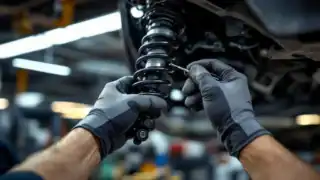
We diagnose and repair suspension problems on Japanese vehicles in Gatton. Whether it's worn bushes, damaged struts, or steering issues, we'll get your car handling smoothly and safely again.

One-Stop Workshop

Honest Advice

5★ Reviews

Japanese Suspension Specialists

Book Your Free Inspection

Tell us what you need and we'll get back to you with a clear quote.

Booking Form
  • Vehicle Details
  • Confirm Vehicle
  • Services
  • Contact Details
Honest Quotes
All Vehicle Types
Local & Reliable

Why Book With Us

Book Your Free Inspection
Drop Off Your Vehicle
We Get to Work
Collect Your Car

Japanese vehicle suspension systems are built tough, but they’re also finely tuned. When something goes wrong, it affects how your car rides, steers, and handles — and that’s exactly when Japanese vehicles suspension repair in Gatton becomes important. Whether you drive a Toyota, Nissan, Mazda, Mitsubishi, or Subaru, the suspension is what keeps your wheels in contact with the road and absorbs the bumps along the way. In the Lockyer Valley’s mix of highway driving and local roads, a well-maintained suspension isn’t just about comfort; it’s about safety and keeping your vehicle roadworthy.

Common Signs Your Japanese Vehicle Needs Suspension Repair

Most suspension issues don’t appear all at once. They develop gradually, and catching them early makes a real difference. Here’s what to watch for:

  • Bouncing or wallowing after you hit a bump, the car takes longer than usual to settle
  • Clunking or rattling noises from under the vehicle when driving over rough ground
  • One corner of the car sitting lower than the others, even on level ground
  • Steering that feels vague or requires extra effort to turn smoothly
  • Uneven tyre wear, particularly on the inner or outer edges
  • Pulling to one side when braking or cornering
  • Excessive body roll when turning at normal speeds

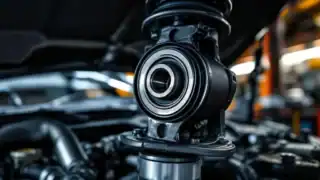
Japanese vehicle brands, especially Toyota and Nissan models, often show wear first in the strut bearings and lower ball joints. Subaru vehicles are prone to early wear in the front anti-roll bar links. These aren’t catastrophic failures, but ignoring them leads to worse problems down the line and makes your vehicle unsafe to drive.

What Happens During a Japanese Vehicle Suspension Inspection

When you bring your vehicle in, we start with a thorough visual inspection and a test drive. We’re looking for wear in the shocks, struts, springs, bushes, and linkages. For Japanese vehicles, we follow manufacturer service schedules and diagnostic procedures. Nissan and Datsun models follow different inspection points than Mazda, for example, and we factor that into our approach.

The inspection covers several key areas:

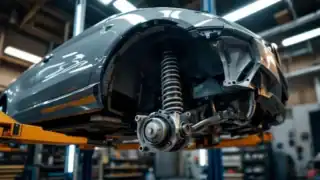
  • Shock absorbers and struts for leaks, corrosion, or loss of damping
  • Springs for cracks, sagging, or permanent deformation
  • Control arm bushes and ball joints for play or damage
  • Anti-roll bar links and bushes for wear or looseness
  • Wheel bearings for noise or grinding
  • Alignment measurements to determine if suspension damage has thrown the tracking out

Once we understand what needs attention, we’ll explain exactly what we’ve found and why repair is necessary. If it’s something that can wait a month or two without affecting safety, we’ll say so. If it needs doing now, we’ll tell you that too.

Repair Work and Parts for Japanese Suspensions

Suspension repairs vary widely depending on what’s worn. A bush replacement might take a couple of hours. A full strut replacement, especially on a four-wheel-drive, takes longer. We source OEM-equivalent parts that match your vehicle’s manufacturer specifications, genuine Japanese parts where they make sense, and quality aftermarket alternatives where they represent better value without cutting corners.

For common Japanese vehicle models in the Lockyer Valley, we stock frequently needed parts on site: struts and shocks, bushes, ball joints, and anti-roll bar links. If something’s less common, we source it quickly without leaving your vehicle sitting idle for days. We do suspension upgrades in-house too. If you’re looking to improve ride quality or handling, we can discuss options tailored to your vehicle and how you use it.

What Affects the Cost and Timeframe

Several factors influence how much suspension work costs and how long it takes. The vehicle’s age and mileage matter, since older suspension systems may have multiple worn components that need replacing at the same time. Whether we’re repairing one side or the whole system makes a difference. Parts availability matters too: genuine Japanese parts sometimes take longer to arrive than aftermarket alternatives, though the quality difference may justify the wait.

Vehicle type affects scope. A suspension repair on a Honda Civic takes different time and effort than work on a Mitsubishi Pajero or Isuzu truck. The complexity of the suspension design, access to components, and alignment requirements all factor in. We’ll give you a realistic timeframe once we’ve inspected the vehicle, not a guess, but an honest assessment based on what we find.

Why Gatton Drivers Choose Us for Japanese Vehicle Suspension Work

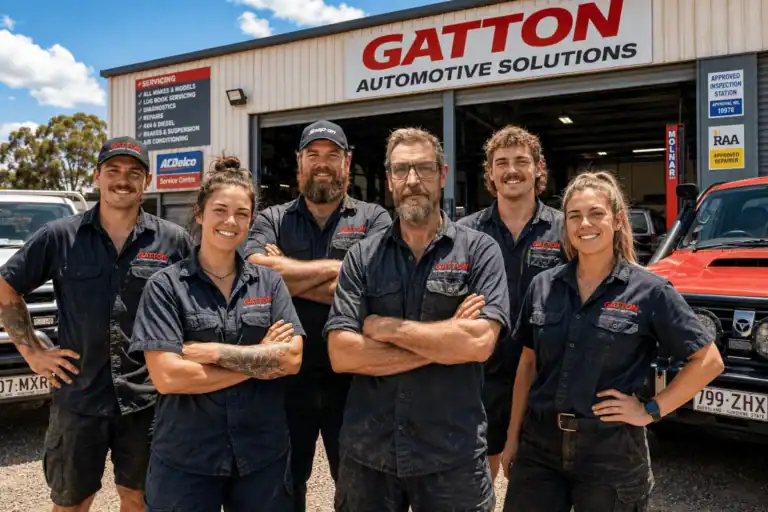
We’re a full-service workshop that handles everything from everyday cars to heavy equipment, all under one roof. That means you don’t need to travel 45 kilometres to Ipswich or Toowoomba for suspension work on your Japanese vehicle. We’ve worked on thousands of Japanese imports and domestic models, Toyotas, Mazdas, Nissans, Subarus, Mitsubishis, and everything in between. We understand the common wear patterns, the manufacturer service schedules, and the parts that hold up versus the ones that don’t.

Our pricing is honest and straight. No upselling, no unnecessary work. We source parts efficiently because we handle our own logistics rather than marking them up through a chain of suppliers. We have suspension upgrades and tyre fitting in-house, so if your suspension repair uncovers a tracking or tyre wear issue, we can address it without sending you elsewhere. We issue roadworthy certificates on-site too, which matters if your vehicle is due for rego check. Gatton Automotive Solutions has built a local reputation by treating every vehicle with care and explaining our work clearly.

Next Steps

If your Japanese vehicle is bouncing, clunking, or feels unstable on the road, suspension repair shouldn’t wait. Call Us Now to describe what you’ve noticed, or Book Your Free Inspection online. We’ll get the vehicle on the hoist, find out exactly what’s needed, and give you straight advice about cost and timing. No pressure, no surprises, just honest service in Gatton.
Other Services

Whatever your needs we have you covered, see some similar services below or click "See All Services" to explore our full service offering.

Your Local Workshop for Every Vehicle

Gatton Automotive Solutions is the one-stop shop for cars, 4WDs, trucks, and heavy equipment. Honest advice and fair pricing, right here in Gatton.

Honest Pricing, No Surprises

We tell you what’s needed and what it costs before we start. No upselling, no pressure.

Everything Under One Roof

Bring your car in and we’ll inspect it, explain what we find, and quote you upfront.

Japanese Vehicle Suspension Expertise

We work on Japanese suspensions daily and stock the right parts to get you sorted.

How Japanese Suspension Repair Works

From first contact to smooth handling, our four-step process gets your Japanese vehicle's suspension sorted professionally.

Step 1

Book Your Free Inspection

Call Us Now or Book Your Free Inspection to get your suspension issues assessed by our team.

Step 2

Japanese Suspension Inspection

We measure ride height, check component wear, and inspect bushes and shocks using Japanese vehicle procedures.

Step 3

Precision Suspension Repair

Worn shocks, springs, bushes, and links are replaced using quality parts suited to Japanese vehicle specifications.

Step 4

Test Drive and Handover

We test drive your vehicle to confirm handling is restored, then walk you through the completed work.

Five-Star Rated

Verified 5★ Reviews

Quality Parts From Trusted Suppliers

We use genuine and quality aftermarket parts from reputable suppliers. You get reliable components backed by proper warranties.

Book Your Free Inspection

Tell us what you need and we'll get back to you with a clear quote.

Booking Form
  • Vehicle Details
  • Confirm Vehicle
  • Services
  • Contact Details
Honest Quotes
All Vehicle Types
Local & Reliable

Why Book With Us

Book Your Free Inspection
Drop Off Your Vehicle
We Get to Work
Collect Your Car

Frequently Asked Questions

Browse answers to common questions about our services. Can't find what you're after? Give us a call and we'll help.

Japanese vehicles suspension repair covers the full range of components that connect your car to the road, including shock absorbers, struts, control arms, ball joints, tie rod ends, and bushes. Our technicians inspect each part systematically, identify what has worn or failed, and replace only what needs replacing. Japanese makes like Toyota, Mazda, Nissan, and Subaru each have slightly different suspension layouts, so we work to the correct specifications for your specific model rather than applying a one-size-fits-all approach.

Worn suspension affects your ability to control the vehicle, especially in emergency situations or on rough roads. A car that bounces excessively, pulls to one side, or clunks over bumps is not handling the way it should. The longer it goes unaddressed, the more surrounding components can wear unevenly, including tyres and steering parts. If you are noticing these signs, it is worth getting the car inspected sooner rather than later. Driving on damaged suspension in wet or uneven conditions increases stopping distances and reduces overall vehicle stability.

Yes, certain Japanese models do develop predictable patterns. Subaru models, for example, are known for front strut wear and rear lateral link bush deterioration as they age. Older Toyota HiLux and LandCruiser utes commonly develop worn leaf spring bushes and failing shock absorbers from load and off-road use. Mazda CX-5s and older Nissan Patrols can develop worn lower control arm bushes over time. Knowing what to look for on each model means we can often spot developing issues before they become urgent failures.

Under ACCC guidance, Australian consumer law generally does not require you to use a dealership for servicing or repairs to maintain your new vehicle warranty, provided the work is carried out to the manufacturer’s standards using appropriate parts. This is general information rather than legal advice, so it is worth reviewing your specific warranty terms or checking with your manufacturer if you are unsure. We are happy to discuss what documentation and parts are appropriate for your situation.

A general suspension inspection is worthwhile at every major service interval, or at least once a year if you cover a lot of ground. Vehicles used on unsealed roads, farm tracks, or regularly loaded up with heavy gear will wear suspension components faster than a city commuter car. Gatton and the broader Lockyer Valley has plenty of rural roads and unsealed driveways that add up over time. If your vehicle is regularly working harder than the average suburban run, more frequent checks make sense.

Several factors influence the final cost: which components need replacing, the specific make and model, whether you need genuine manufacturer parts or quality aftermarket equivalents, and how many items are addressed in a single visit. Replacing a pair of shock absorbers is a different job to rebuilding multiple control arm assemblies. Labour time also varies by model, as some Japanese vehicles have more accessible suspension layouts than others. We assess what is actually needed before any work begins, so there are no surprises.

When you bring your vehicle in, a technician will carry out a thorough visual and physical inspection of the suspension system, checking for play in joints, worn bushes, leaking shock absorbers, and any damage to struts or control arms. If an issue is found, we explain what needs attention and why before any work starts. Most straightforward suspension jobs can be completed the same day, though more involved repairs across multiple assemblies may take longer depending on parts availability and the complexity of your specific model.

We use a mix of genuine manufacturer parts and quality OEM-equivalent aftermarket components, depending on what suits your vehicle and budget. For Japanese makes, reputable aftermarket brands often meet or match the original specification and can offer good value without compromising on fit or durability. Where genuine parts are preferred or required, we can source those as well. We will always discuss your options clearly before ordering anything, so you can make an informed decision about what goes into your vehicle.

Common signs include a bouncy or floaty ride, the car pulling to one side, a nose that dips sharply under braking, clunking or knocking noises over bumps, uneven tyre wear, or a steering wheel that vibrates at certain speeds. Any one of these symptoms on its own can point to a suspension issue worth investigating. On Japanese vehicles, worn strut mounts and deteriorating bushes are frequent causes of these kinds of symptoms, and they tend to worsen gradually rather than failing all at once.

Timing depends on what needs doing. Replacing a single pair of shock absorbers or struts on most Japanese vehicles typically takes one to two hours. If multiple components across the front and rear suspension are being addressed at the same time, the job will take longer. We aim to give you a realistic time estimate once we have inspected the vehicle and confirmed what parts are required. Where possible, we try to have straightforward repairs completed within the same day to minimise the time you are without your vehicle.

Yes, it can. Worn shock absorbers and struts place extra stress on surrounding components including wheel bearings, control arm bushes, and steering linkages. Tyres are particularly affected, as poor suspension contact with the road leads to uneven wear patterns that shorten tyre life noticeably. On Japanese four-wheel drives and utes used for towing or carrying loads, deteriorated suspension can also affect braking performance and load stability. Catching suspension wear early generally means a smaller repair bill and avoids secondary damage to components that would otherwise have lasted longer.

Avoiding unnecessarily rough driving over speed bumps and potholes helps, as does not overloading your vehicle beyond its rated capacity. Keeping your tyres properly inflated reduces the impact that road surface irregularities have on suspension components. Regular servicing that includes a suspension check means worn parts are caught before they cause further damage. For Japanese vehicles driven frequently on rural or unsealed roads around the Gatton region, periodic inspections between major service intervals are a practical way to stay ahead of accelerated wear.

Continue to site