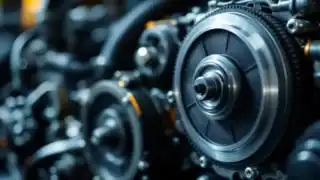
The timing chain is one of the most load-bearing components inside a Mercedes-Benz engine. Unlike a rubber timing belt, the chain is a metal link assembly that keeps the crankshaft and camshafts turning in precise synchronisation, so the valves and pistons move in exactly the right sequence. When it’s working as it should, you’ll never notice it. When it starts to wear or stretch, the consequences can escalate quickly. Mercedes timing chain replacement is a job we handle regularly at our Gatton workshop, and understanding what’s happening inside your engine before it becomes a serious problem is the best position to be in.
Why Mercedes Timing Chains Fail Sooner Than You’d Expect
Mercedes-Benz uses timing chains across a wide range of its petrol and diesel engines, and while chains are generally more durable than belts, they’re not immune to wear. The M271, M272, M273, and OM651 engine families in particular have a known history of timing chain issues. On these motors, the chain tensioner, chain guides, and the chain itself can all degrade, especially when service intervals are stretched or engine oil maintenance is inconsistent. Low oil pressure, dirty oil, or oil that’s overdue for a change accelerates wear on the chain guide rails and the sprockets that drive the whole system.
The design of some of these engines means the chain sits at the back of the motor, which increases the labour involved in a replacement and makes early intervention considerably cheaper than waiting until there’s significant damage.
Symptoms That Point to a Worn Timing Chain
The signs can be subtle at first, then harder to ignore. Here’s what to watch for:
- Rattling or clattering on cold start that settles after the engine warms up, often caused by a slack chain slapping against the guide rails before oil pressure builds
- A check engine light combined with camshaft position sensor fault codes, which often reflects the timing chain stretching beyond the ECU’s ability to compensate
- Rough idle or hesitation that wasn’t present before, particularly on engines where the variable valve timing system relies on precise chain positioning
- Visible oil contamination around the timing cover or a drop in oil level without an obvious external leak, sometimes caused by guide rail fragments in the sump
- Engine management warnings specific to cam-crank correlation faults, which modern Mercedes diagnostics will flag with specific DTC codes
If you’re hearing that cold-start rattle and your C-Class, E-Class, or Vito has climbed past 100,000 km, it’s worth having it looked at before the noise turns into something more expensive.
What Our Mercedes Cam Chain Replacement Process Involves
Before any parts are ordered, we connect to the vehicle’s diagnostic system using professional scan tools capable of reading Mercedes-specific fault codes. This step matters. A timing chain fault code by itself doesn’t tell the full story, and we need to rule out whether the issue is the chain, the tensioner, the guides, or a combination. Some Mercedes engines, particularly older C-Class and E-Class petrols, present with cam correlation faults that are actually tensioner failures rather than chain stretch.
Once we’ve confirmed the diagnosis, the replacement work involves removing the relevant engine covers and ancillary components to access the timing system. On rear-chain Mercedes engines, this is a significant disassembly job. We replace the chain, tensioner, and guide rails together as a set, because fitting a new chain onto worn guides will just accelerate the wear cycle. Where the engine uses variable valve timing, the timing adjustment units are also inspected and replaced if they show signs of wear.
We use parts that meet OEM specifications. On a precision German engine, fitting a low-specification chain kit isn’t a saving worth making. Your Mercedes relies on tight tolerances throughout the valvetrain, and parts that don’t meet those tolerances will show it.
What Affects the Cost and Time of This Job in Gatton
Timing chain replacement on a Mercedes is not a quick job by nature. The labour time varies depending on the engine variant and whether the chain is front or rear-mounted. Rear-chain engines require more disassembly and therefore more time. The specific model and year of your vehicle affects parts pricing, since kit availability varies across the range. Whether the guides have already disintegrated and left debris in the oil system can also add time, as that needs to be addressed before the engine is reassembled.
We’ll give you a clear picture of what’s involved before work starts, so there are no surprises when it’s done. Honest advice and straight pricing, no upselling, no work that isn’t needed.
Why Gatton Drivers Bring Their Mercedes to Us
Gatton Automotive Solutions is a full-service workshop handling everything from everyday cars to 4WDs, trucks, and heavy equipment. You don’t need to drive to Ipswich or Toowoomba for a job like this. We handle parts sourcing in-house, which keeps things moving and means you’re not waiting on a third-party supplier to locate what’s needed for your specific engine. With five-star reviews from local drivers across the Lockyer Valley, the workshop’s reputation is built on doing the job properly and being straight with people about what it involves.
If your Mercedes is showing any of the symptoms above, or if it’s simply been a while and you want peace of mind, get in touch with the team at Gatton Automotive Solutions. You can Call Us Now or Book Your Free Inspection online, and we’ll take it from there.