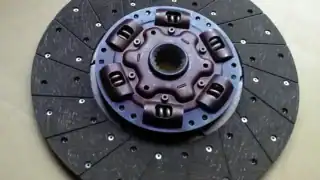
A driveshaft is one of those components you rarely think about until it fails. It transfers power from the gearbox to the wheels, and when something goes wrong with it, the whole driving experience changes fast. Mitsubishi driveshaft repair is one of the more common jobs we see at Gatton Automotive Solutions, particularly across Tritons, Outlanders, Pajeros, and older Magna wagons that cover serious kilometres on regional roads. Catching driveshaft issues early usually means a repair rather than a full Mitsubishi driveshaft replacement, so it pays to know what to listen and feel for.
Warning Signs Your Mitsubishi Driveshaft Needs Attention
Driveshaft problems rarely arrive without warning. The symptoms tend to build gradually, and many drivers in and around Gatton first notice them on the highway run toward Toowoomba or on rough station tracks where the drivetrain is under load. The most common signs include:
- A clunking or knocking sound when you accelerate from a standstill or change direction, particularly noticeable in manual Mitsubishis
- Vibration through the floor or seat that increases with vehicle speed, distinct from a tyre balance issue because it often appears at a consistent speed range
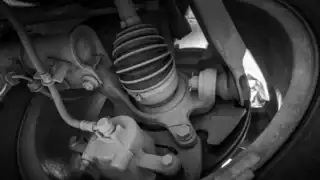
- A clicking or popping noise when turning, which often points to worn CV joints (constant velocity joints) at the outer ends of the shaft
- Shuddering during acceleration, especially from low speeds, which can indicate a worn centre bearing or damaged universal joint
- Grease on the inside of the wheel or nearby components, a sign that a CV boot has split and the joint itself is starting to wear
In four-wheel drive Mitsubishis like the Pajero and Triton, driveshaft wear can also show up as unusual noise or vibration during low-range driving, or a clunk when engaging the transfer case. These vehicles run both front and rear driveshafts, so the diagnosis needs to account for which end of the drivetrain is generating the symptom.
How We Diagnose and Repair Mitsubishi Driveshaft Problems
We start with a road test to replicate the symptom under real driving conditions, paying attention to whether the noise or vibration changes with speed, load, or steering input. That initial observation usually narrows down whether the issue is the driveshaft itself, the CV joints, the universal joints (U-joints), the centre support bearing, or something adjacent like a worn wheel bearing or differential mount.
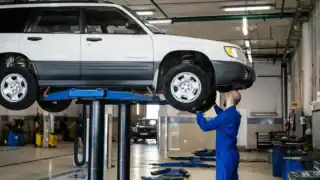
After the road test, we put the vehicle on the hoist and inspect the driveshaft by hand, checking for play in each joint, looking for cracked or missing CV boots, feeling for roughness in the bearings, and checking that all retaining bolts and mounting hardware are secure. Mitsubishi uses a slip-yoke centre joint design on some models, and that joint needs to be checked carefully for wear, not just the outer CV ends. On dual-shaft setups in 4WDs, both shafts get the same inspection.
If a CV boot has only recently split and the joint itself is still smooth with no gritty feel, a CV boot replacement and regrease can often restore the joint without needing a full Mitsubishi drive shaft repair. If the joint is already contaminated or worn, we will replace it with a quality equivalent or source a Mitsubishi-spec part where availability allows. For Triton and Pajero owners, we source parts that match OEM specifications for joint sizing and torque rating, since undersized aftermarket joints can wear prematurely under load.
What Affects the Cost and Time Involved in a Driveshaft Repair?
Cost and turnaround vary depending on what the inspection actually finds. A CV boot replacement on a common Mitsubishi model is a much shorter job than replacing a full rear driveshaft assembly on a Pajero. Parts availability matters too: high-volume models like the Triton have good aftermarket support with parts often held locally, while older Magnas or specialist variants may require parts to be ordered, which adds lead time.
Genuine Mitsubishi parts tend to be more expensive than aftermarket equivalents, but for high-use working vehicles we often recommend staying close to OEM spec on load-bearing drivetrain components. We will give you a straight explanation of the options and the trade-offs before any work begins, and we will not replace parts that do not need replacing. Driveshaft repairs and replacement work is quoted clearly so there are no surprises when the job is done.
Why Choose Gatton Automotive Solutions for Your Mitsubishi Drivetrain Work
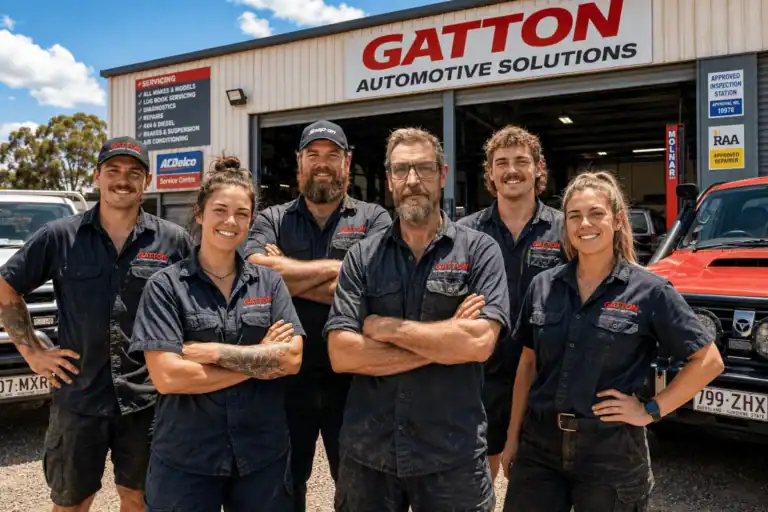
We are a full-service workshop here in Gatton, which means we handle everything from the diagnosis through to the repair without sending you somewhere else. Mitsubishi driveshaft replacement, CV joint work, bearing replacement, and related suspension and tyre checks all happen under one roof. For Lockyer Valley drivers, that means no 45-minute drive to Ipswich or Toowoomba for work that can be done locally, often on the same day for straightforward jobs.
We work on cars, 4WDs, utes, and light commercial vehicles, so whether your Triton is a daily driver or a working farm ute putting serious hours in, we know what those vehicles look like when they have been used hard. Beyond drivetrain work, we also handle roadworthy certificates, suspension upgrades, tyre supply and fitting, smash repairs, and agricultural and farm equipment servicing, all from the one workshop. Our five-star reviews reflect the kind of honest, practical service we aim to deliver on every job. No upselling, no unnecessary parts, just a clear diagnosis and a proper repair.
If you have noticed a clunk, a vibration, or anything unusual from your Mitsubishi’s drivetrain, do not sit on it. Book Your Free Inspection online or Call Us Now and we will get your vehicle checked over at our Gatton workshop.