Limited Time: Free Windscreen Wipers With Any Service. Subject To Availability.

Locally Owned & Operated
Honest Upfront Pricing
5★ Reviews
All Makes & Models

Verified 5★ Reviews

Tried & Trusted Mitsubishi Cooling System Repair In Gatton

We diagnose and repair Mitsubishi cooling systems in Gatton to keep your engine running at the right temperature. Overheating risk ends here. Book Your Free Inspection today.

One-Stop Workshop

Honest Advice

5★ Reviews

Mitsubishi Cooling Experts

Book Your Free Inspection

Tell us what you need and we'll get back to you with a clear quote.

Booking Form
  • Vehicle Details
  • Confirm Vehicle
  • Services
  • Contact Details
Honest Quotes
All Vehicle Types
Local & Reliable

Why Book With Us

Book Your Free Inspection
Drop Off Your Vehicle
We Get to Work
Collect Your Car

A Mitsubishi cooling system repair isn’t something to put off. The cooling system is what keeps your engine running at the right temperature, and when it starts to fail, the consequences can be swift and expensive. Whether you drive a Triton ute, an Outlander, a Pajero, or an older Magna, Gatton Automotive Solutions sees cooling system issues across the full Mitsubishi range. Catching a problem early almost always means a simpler fix and a lot less stress than dealing with an overheated engine on the side of the road.

Signs Your Mitsubishi’s Cooling System Needs Attention

Mitsubishi vehicles generally have well-designed cooling systems, but like any mechanical setup, they wear over time. Some warning signs are hard to miss. Others creep up gradually.

  • Temperature gauge climbing higher than usual, especially in slow traffic or during a long run on the Warrego Highway
  • Steam or vapour coming from under the bonnet after you park or while the engine is running
  • Low coolant warning light appearing on the dash, or a reservoir that needs topping up more often than it should
  • Coolant puddles under the car after it’s been parked, which can indicate a hose, radiator, or water pump leak
  • A sweet smell from the engine bay, often a sign of coolant escaping somewhere it shouldn’t
  • Heater blowing cool air inside the cabin, which can point to low coolant levels or a thermostat that’s stuck open
  • White smoke from the exhaust, which in some cases signals coolant entering the combustion chamber

If your Mitsubishi is showing any of these symptoms, bring it in before the situation gets worse. Running an overheating engine, even briefly, can cause head gasket damage, warped cylinder heads, or worse.

What We Check and What We Fix

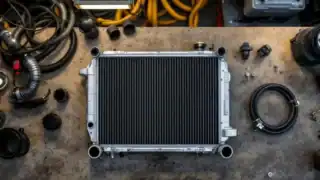
We start with a full inspection of the cooling system rather than jumping straight to parts. On Mitsubishi vehicles, this means looking at the radiator, the electric cooling fan operation, the thermostat, all hoses and clamps, the water pump, and the overflow or expansion tank. Many Mitsubishi models use an electric radiator fan rather than a belt-driven one, so we check the fan motor and its relay as part of any overheating diagnosis.

One common issue we see on higher-kilometre Mitsubishi Tritons and Pajeros is a gradual weep from the water pump or lower radiator hose that goes unnoticed until it becomes a more serious leak. On Outlanders, particularly older models, the plastic radiator end tanks can crack over time and cause intermittent coolant loss that’s not always obvious on a quick look.

We perform a pressure test on the cooling system, which involves pressurising the system to check for leaks that may not be visible at rest. We also check the condition of the coolant itself. Mitsubishi specifies a long-life coolant (often a pink or blue type depending on the model and model year), and using the wrong coolant or allowing it to degrade can accelerate corrosion inside the system. If a flush is needed, we use coolant that matches your Mitsubishi’s specification, not a universal product that may not be compatible.

For radiator repairs or replacements, we source quality parts that meet OEM specifications. If a repair is possible rather than a full replacement, we’ll tell you that honestly.

How Much Does a Mitsubishi Cooling System Repair Cost?

The honest answer is that it depends on what’s actually wrong. A hose replacement or a thermostat swap is a straightforward job. A radiator replacement or water pump replacement on a Triton 4×4 involves more labour and parts cost than the same job on a smaller Mitsubishi Mirage. We won’t know exactly what’s needed until we’ve had a proper look.

Parts availability for Mitsubishi models is generally good in Australia, and we source parts locally where we can. For less common models or older vehicles, parts may need to be ordered, which can affect turnaround. We handle all parts sourcing in-house, so you won’t be chasing anything yourself.

We’ll give you a clear quote before any work starts. No surprises at the end.

Why Get Your Mitsubishi Cooling System Repaired in Gatton?

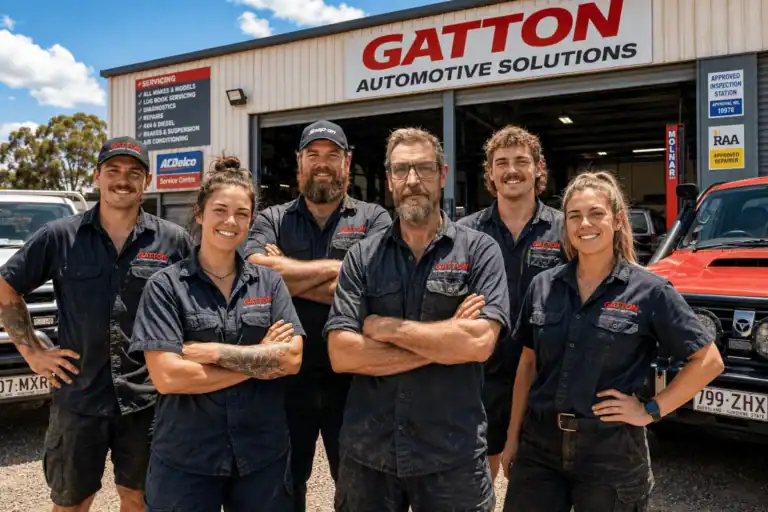
Gatton Automotive Solutions is a full-service workshop handling everything from everyday passenger cars through to 4WDs, utes, trucks, and heavy equipment. We’re locally owned and operate right here in Gatton, which means there’s no need to drive to Ipswich or Toowoomba for a proper diagnosis and repair.

Cooling system work sits right in our core mechanical capabilities. We carry the diagnostic equipment to pressure-test systems properly, identify the actual source of a fault rather than guessing, and complete repairs with parts that are right for the job. Our customers consistently give us five-star reviews, and that feedback reflects everyday work, not the occasional standout job.

We also service fleet and commercial vehicles, so if your business runs Mitsubishi Tritons or Pajero Sports, we can handle your servicing and repairs without you losing a vehicle for longer than necessary.

Ready to Get Your Mitsubishi Sorted?

If your Mitsubishi is running hot, losing coolant, or you just want a cooling system check before the warmer months hit the Lockyer Valley, Call Us Now or Book Your Free Inspection online. We’re here in Gatton and ready to help.

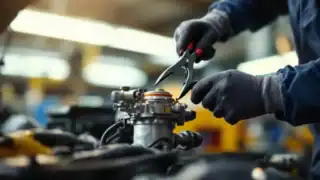
Your Local Workshop for Every Vehicle

Gatton Automotive Solutions is the one-stop shop for cars, 4WDs, trucks, and heavy equipment. Honest advice and fair pricing, right here in Gatton.

Honest Pricing, No Surprises

We tell you what’s needed and what it costs before we start. No upselling, no pressure.

Everything Under One Roof

Bring your car in and we’ll inspect it, explain what we find, and quote you upfront.

Mitsubishi-Specific Diagnostics

We source quality parts matched to Mitsubishi cooling systems for a lasting repair.

How Mitsubishi Cooling System Repair Works

From first contact to a cool-running engine, your Mitsubishi cooling repair is handled simply and professionally.

Step 1

Book Your Free Inspection

Book your free inspection or call us now to report cooling faults and get a clear repair plan.

Step 2

Cooling System Diagnostic

We pressure test your system, scan for fault codes, and inspect hoses, thermostat, and pump function.

Step 3

Precision Cooling Repair

We replace failed components using Mitsubishi-spec parts and refill with the correct coolant for your model.

Step 4

Test and Handover

We run your engine, confirm temperature stability, and hand back a cool-running Mitsubishi ready to drive.

Five-Star Rated

Verified 5★ Reviews

Quality Parts From Trusted Suppliers

We use genuine and quality aftermarket parts from reputable suppliers. You get reliable components backed by proper warranties.

Book Your Free Inspection

Tell us what you need and we'll get back to you with a clear quote.

Booking Form
  • Vehicle Details
  • Confirm Vehicle
  • Services
  • Contact Details
Honest Quotes
All Vehicle Types
Local & Reliable

Why Book With Us

Book Your Free Inspection
Drop Off Your Vehicle
We Get to Work
Collect Your Car

Frequently Asked Questions

Browse answers to common questions about our services. Can't find what you're after? Give us a call and we'll help.

Mitsubishi cooling system repair covers diagnosis and correction of any fault preventing your engine from maintaining safe operating temperature. That includes inspecting the radiator, thermostat, water pump, hoses, coolant reservoir, and the expansion tank cap. We pressure-test the system to find leaks that aren’t visible to the eye, flush old coolant if needed, and replace any failed components. You’ll leave knowing the cooling system is working as Mitsubishi intended, not just topped up and hoped for the best.

No. An engine running hotter than normal can cause serious internal damage within minutes, including warped cylinder heads or blown head gaskets, both of which cost significantly more to repair than a cooling system fault. If your temperature gauge climbs above the normal range, pull over safely, turn the engine off, and don’t open the radiator cap while it’s hot. Get the car inspected before driving it again. This is one situation where waiting makes the repair bill much larger.

A few patterns come up regularly in Mitsubishi models. Older Pajeros and Tritons can develop weeping radiator tanks at the plastic-to-aluminium joins over time, particularly with age and heat cycling. Some Outlander and ASX owners experience thermostat faults that cause the engine to take longer than usual to warm up, or to run slightly cooler than normal. Water pump seal wear is also worth checking on higher-mileage examples. These aren’t universal faults, but knowing what to look for helps us diagnose accurately rather than guessing.

Watch for the temperature gauge sitting higher than usual, coolant smell from the engine bay, steam from under the bonnet, low coolant level that keeps dropping without an obvious puddle under the car, and a heater that blows cold when it should be warm. A bubbling or gurgling noise from the dashboard area after switching the engine off can also point to air in the cooling system. Any one of these is worth getting checked sooner rather than later.

It depends on what’s been found. A thermostat swap or hose replacement is typically a same-day job. A full radiator replacement or water pump job will generally take a few hours. If we’re doing a coolant flush and pressure test as part of a diagnostic, that adds some time but gives a much clearer picture of overall system health. We’ll let you know upfront how long the work is expected to take once we’ve had a look.

The main variables are which component needs attention, whether it’s a straightforward replacement or requires more labour-intensive access, and the parts involved. A thermostat is a very different job to a water pump buried behind a timing cover. Model matters too, since parts pricing varies across the Mitsubishi range from a Mirage to a Pajero Sport. We source quality parts suitable for your specific model and give you a clear quote before any work starts, so there are no surprises.

Under ACCC guidance, Australian consumer law generally allows vehicle owners to have their cars serviced and repaired by independent mechanics without voiding a manufacturer’s new car warranty, provided the work is carried out properly and appropriate parts are used. This is general information only, not legal advice, so it’s worth confirming your specific circumstances with your warranty documentation or the manufacturer. We keep proper records of any work completed, which supports your service history regardless of where future servicing is done.

Mitsubishi’s service schedules vary by model and year, but coolant replacement is commonly recommended every two years or at specified kilometre intervals as a preventive measure. Over time, coolant loses its ability to resist corrosion and regulate temperature effectively, even if the level looks fine. If you’re not sure when yours was last changed, or if you’ve bought a used Mitsubishi, a coolant condition check is a straightforward thing to include with your next service. We handle this regularly for Gatton and Lockyer Valley drivers as part of routine maintenance.

We use quality OEM-equivalent parts that meet or exceed Mitsubishi’s original specifications, sourced from reputable suppliers. For some repairs, genuine Mitsubishi parts are also available on request. The right choice depends on your vehicle’s age, the component being replaced, and your preferences. We’ll discuss the options with you before ordering anything, so you know exactly what’s going in and why.

We start by checking coolant level, condition, and concentration, then visually inspect hoses, the radiator, and the overflow reservoir for cracks, corrosion, or weeping. From there we run a pressure test on the sealed system to reveal leaks that don’t show up at rest. If the thermostat or water pump is suspected, we’ll check operating temperature behaviour and look for signs of bearing wear or seal failure. The aim is to give you a full picture, not just fix the obvious part and send you on your way.

Topping up coolant treats the symptom, not the cause. If your level keeps dropping, coolant is going somewhere, whether that’s an external leak, an internal leak past a head gasket, or evaporation through a faulty cap. Adding water or coolant without addressing the underlying fault can also dilute the mix and reduce corrosion protection. Topping up is fine as a short-term measure to get you somewhere safe, but it isn’t a fix. Call Us Now or Book Your Free Inspection to get the actual problem sorted.

Each Mitsubishi model has its own cooling system layout, which affects both the repair process and parts involved. The Triton’s engine access is different to the Outlander’s transverse layout, and the Pajero’s larger engine bay and 4WD components add complexity in some areas. Some models also use specific coolant types that shouldn’t be mixed. Knowing the differences between these platforms means we can work accurately rather than applying a one-size-fits-all approach, and it helps us order the right parts the first time.

Continue to site