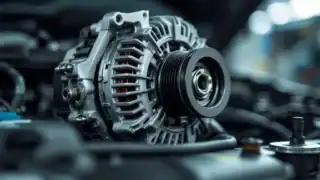
A dead Volkswagen is a frustrating thing, especially when you turn the key and get nothing but a click or a groan. Volkswagen starter motor replacement is one of the more common electrical repairs we see at Gatton Automotive Solutions, and it’s one that tends to catch drivers off guard because the car often seems fine right up until the moment it won’t start. The starter motor is the electric motor that spins your engine over when you turn the ignition. Without it working properly, your VW isn’t going anywhere.
How Do You Know Your Volkswagen Starter Motor Has Failed?
Starter motor problems don’t always announce themselves loudly. Sometimes a failing starter gives you a few warning signs over several weeks; other times it quits without warning. Here are the symptoms we hear about most often from Volkswagen drivers in Gatton and across the Lockyer Valley:
- A single loud click when you turn the key with no engine cranking. This often points to a seized or failed starter motor rather than a flat battery.
- Slow, laboured cranking where the engine turns over sluggishly, especially on a warm day when the battery isn’t under cold-start stress.
- Intermittent no-start where the car starts fine some days and refuses on others. This can indicate worn brushes or a failing solenoid inside the starter.
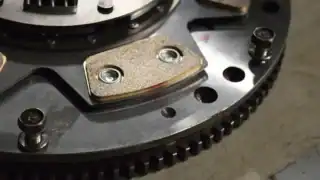
- A grinding noise on startup caused by the starter’s drive gear not engaging cleanly with the flywheel ring gear.
- The starter motor keeps running after the engine has fired. This is less common but points to a stuck solenoid and needs attention quickly to avoid damage.
These symptoms overlap with battery and alternator faults, which is why proper diagnosis matters before any parts are replaced.
How We Diagnose and Replace a Starter Motor on a Volkswagen
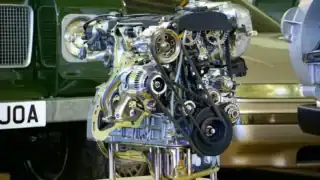
Volkswagen vehicles, whether you’re driving a Polo, Golf, Tiguan, Amarok, or Transporter, use a fairly consistent starter motor architecture across the range, but the access and removal process varies significantly by model and engine configuration. Turbocharged diesel Volkswagens like the Amarok TDI and Transporter TDI can have the starter tucked into tight spots near the gearbox or firewall, which makes a quick swap anything but quick if you don’t know the platform.
We start with an electrical test before anything comes apart. We check battery condition and state of charge, test the voltage at the starter motor terminal under cranking load, and check the solenoid circuit separately. This step matters because a VW that won’t start isn’t always a starter motor problem. A weak battery, a corroded terminal, or a fault in the ignition inhibitor circuit can mimic starter failure exactly. Replacing the starter without this step means you might fit a new part and still have the same problem.
Once we’ve confirmed the starter is at fault, we remove it, inspect the ring gear on the flywheel for wear or damage, and fit a replacement unit that meets Volkswagen’s electrical specifications. We source parts to OEM specification, which matters for Volkswagen engines because the starter must handle the compression ratio and cranking resistance of that specific engine. A generic part that’s slightly underpowered can work for a while and then struggle, particularly on turbodiesel variants that have higher compression.
A Note on Volkswagen Solenoid and Brush Wear
Older Volkswagen models, particularly those with higher kilometres, sometimes develop starter issues that trace back to worn carbon brushes inside the motor rather than a complete failure. In some cases, a brush and solenoid rebuild is a practical option. We’ll tell you honestly what we find and what we recommend, rather than defaulting to full replacement if it isn’t warranted.
What Affects the Cost of Volkswagen Starter Motor Replacement in Gatton?
A few factors influence what this repair involves in terms of parts and labour. The main variables are the model and engine type, since some Volkswagen configurations require significant disassembly to access the starter. Turbodiesel and direct-injection petrol engines often have more complex access than older naturally aspirated models. Parts specification also matters. OEM-equivalent Volkswagen starter motors are priced higher than generic aftermarket units, but they’re built to the right torque and electrical ratings for your engine. We’ll talk through the options with you so you can make an informed call. Labour time is also affected by how many other components need to be moved to reach the starter, which varies considerably across the Volkswagen range.
Why Gatton Drivers Choose Us for Volkswagen Repairs
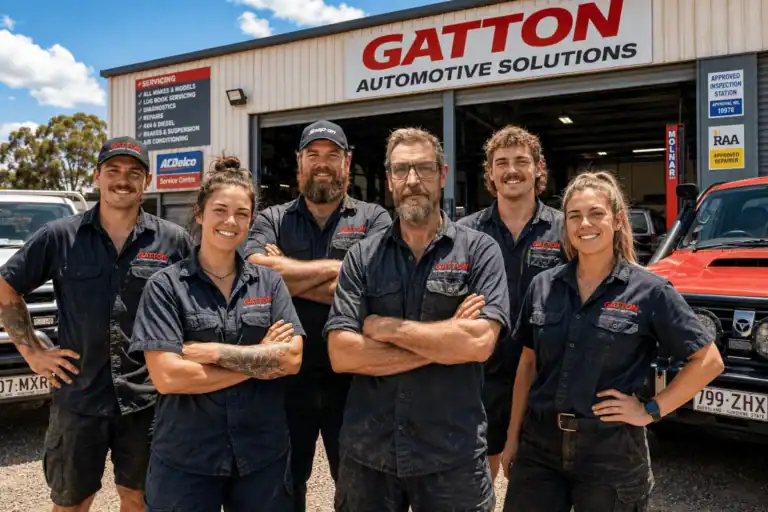
We’re a full-service workshop in Gatton covering everything from everyday mechanical repairs to heavy vehicle and equipment work, smash repairs, custom paintwork, suspension upgrades, tyre fitting, and roadworthy certificates. For Volkswagen drivers in the Lockyer Valley, that means you’re not driving 45 to 80 kilometres to Ipswich or Toowoomba for electrical and mechanical work. We handle parts sourcing in-house, so we can source the right components without you needing to chase anything down yourself.
We’ve built a strong reputation locally, with five-star reviews from drivers across Gatton, Laidley, Plainland, Forest Hill, and the wider region. Honest advice is how we work. If we diagnose a fault and the fix is simpler than expected, we’ll tell you that rather than overselling the job.
If your Volkswagen isn’t starting reliably, Call Us Now or use the online booking form to Book Your Free Inspection and we’ll get to the bottom of it.