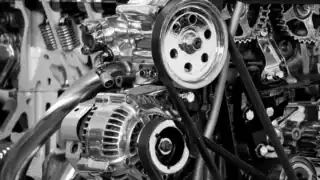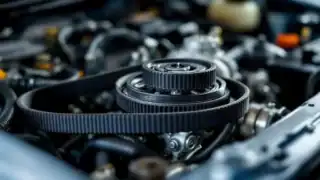
A timing belt (also called a cam belt) is one of the most critical components in your Chinese vehicle’s engine. This rubber belt synchronises the rotation of your crankshaft and camshaft, ensuring your engine’s valves open and close at precisely the right moments. When a timing belt fails, the consequences are severe: your engine stops running immediately, and in some cases, internal damage can be catastrophic. Chinese Vehicles Timing Belt Replacement in Gatton is not a service you want to delay or take lightly. We see Chinese vehicles regularly at our Lockyer Valley workshop, and timing belt condition is something we monitor closely during every service.
Signs Your Chinese Vehicle Needs a New Timing Belt
Most Chinese vehicles don’t give obvious warning signs that a timing belt is failing until it’s too late. Unlike brake pads or tyres, you can’t easily see or hear a worn timing belt. However, there are some symptoms worth knowing:
- Engine misfiring or running rough, especially at idle or during acceleration
- A visible oil leak near the timing belt cover (rubber deteriorates and may crack)
- A rattling or ticking noise from the front of the engine, particularly when cold
- Difficulty starting the engine, or the starter motor cranking but the engine not catching
- Engine warning lights on your dashboard (sometimes triggered by valve timing drift)
The most reliable indicator, though, is time and kilometres. Most Chinese vehicle manufacturers recommend timing belt replacement between 80,000 and 120,000 kilometres, depending on your specific model and engine type. Your vehicle’s logbook or owner’s manual will have the exact interval. Once you hit that service window, a replacement becomes essential preventative maintenance, not optional.
What Happens During Chinese Vehicles Timing Belt Replacement
Replacing a timing belt is a detailed job that requires precision and attention. Here’s what we do when you bring your Chinese vehicle in for this service.
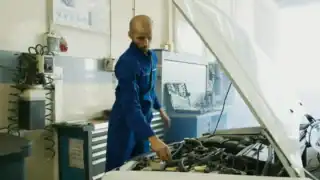
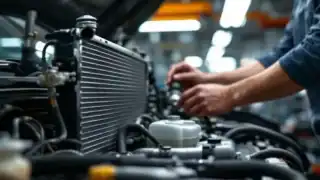
First, we perform a diagnostic inspection of the entire timing system. We remove the timing belt cover (a plastic or metal shield protecting the belt) and visually inspect the belt itself for cracks, fraying, or glazing. We also check the condition of related components like the tensioner pulley, idler pulleys, and the water pump. Many Chinese vehicle manufacturers design their engines so that the water pump is driven by the timing belt, so replacing the belt is the ideal time to replace the pump as well, even if it looks fine. This prevents a future failure and saves on labour.
Once we’ve confirmed the belt needs replacement and checked all related components, we carefully remove the old belt. This requires precise positioning of the engine to align the crankshaft and camshaft marks, ensuring everything is in time. We then install the new belt, check the tension using proper tools (not guesswork), and verify that all timing marks are correctly aligned. We fit new pulleys and tensioners if wear is visible, and we replace the water pump at the same time if it’s accessible during the job.
Finally, we start the engine and listen carefully for any unusual noises. We run the vehicle through a brief test drive to confirm smooth operation and check that no warning lights have been triggered. Your Chinese vehicle should run smoothly with no ticking or rattling from the front of the engine.
Factors That Affect Cost and Turnaround Time
Timing belt replacement is a labour-intensive job, not a quick fix. The time required depends on your specific Chinese vehicle model. Some engines are designed more accessibly than others, which affects how many other components need to be removed to reach the belt. A straightforward replacement might take a full day; a more complex engine layout could take longer.
Parts availability can also be a factor. We stock common timing belt kits for popular Chinese vehicle models, but if your vehicle uses a less common engine variant, we may need to source the belt and related components. We handle all parts sourcing in-house, so you don’t need to chase suppliers yourself. We also discuss whether you’d prefer genuine OEM-specification parts or quality aftermarket alternatives, and we’re upfront about the cost difference between the two options.
Whether the water pump needs replacement at the same time, and whether your vehicle’s auxiliary systems (alternator, power steering pump, air conditioning compressor) are belt-driven or independently mounted, also affects the final scope of work. We’ll inspect everything during the diagnostic phase and discuss any additional recommendations with you before we start.
Why Trust Gatton Automotive Solutions for Your Timing Belt
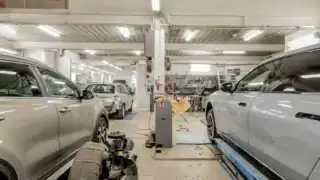
As a full-service workshop in Gatton, we work on all vehicle types, including Chinese imports and models that some smaller workshops avoid. We’re locally owned and operated, which means you don’t need to travel to Ipswich or Toowoomba for a job this important. We give you honest advice and straight pricing: no upselling, no unnecessary work, and no surprises when the bill arrives.
Our technicians understand Chinese vehicle engine design, access to manufacturer service schedules, and the common issues we see with popular models in the Lockyer Valley. We keep a good stock of timing belt kits and related components on hand, which keeps your vehicle off the hoist for less time. With five-star reviews, we’ve earned the trust of drivers who know that timing belt work demands accuracy and care.
Book Your Timing Belt Inspection Today
If your Chinese vehicle is due for a timing belt replacement or you’ve noticed any signs of timing system wear, don’t put it off. Call us now or book your free inspection online to get started. We’ll check your belt, advise you on the right timing for replacement, and give you a clear picture of what needs to happen before your vehicle becomes unreliable.