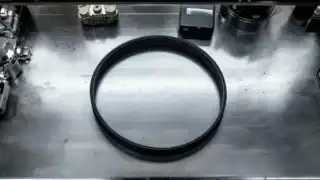
A timing belt is one of the most important components in your Land Rover’s engine. It synchronises the rotation of the crankshaft and camshaft, keeping the valves and pistons moving in precise coordination. When a Land Rover timing belt replacement is overdue or the belt fails without warning, the consequences are serious. Many Land Rover engines are what engineers call interference engines, meaning the pistons and valves occupy the same space at different moments. If the belt snaps, they collide, and the repair bill can be significant. Getting ahead of this with a scheduled replacement is far more straightforward than dealing with the aftermath. For Land Rover owners in Gatton, having this work done locally means no unnecessary travel and no delays.
How Do You Know When Your Land Rover Needs a Timing Belt Replacement?
Land Rover timing belts don’t always give obvious warning signs before they fail. That’s part of what makes them genuinely worth taking seriously. Still, there are situations and symptoms that should prompt you to act sooner rather than later.
- Mileage or age intervals: Most Land Rover models recommend cam belt replacement at specific kilometre or time intervals. If your vehicle is approaching or has passed that point and there’s no record of a previous replacement, treat it as overdue.
- Visible belt wear: Cracking, fraying, glazing, or missing teeth on the belt are signs it’s past its service life. These are only visible during inspection, not from the driver’s seat.
- Ticking or slapping noise from the engine: A loose or worn belt can produce a rhythmic ticking sound. This can be confused with other issues, so a proper inspection is the only way to confirm the cause.
- Engine misfires or rough running: If the timing slips even slightly due to a worn belt, the engine’s ignition and valve timing can fall out of sync, causing misfires or poor performance.
- Oil leaks near the belt area: Leaks from the front crankshaft or camshaft seals can contaminate the belt, dramatically shortening its effective life.
If you’re unsure when your Land Rover last had its timing belt replaced, or you’ve recently bought a used Discovery, Defender, Freelander, or Range Rover and don’t have a full service history, that’s worth investigating before the kilometres climb further.
What Does a Land Rover Timing Belt Replacement Involve?
This isn’t a job that can be rushed or done halfway. The timing belt sits behind protective covers at the front of the engine, which means accessing it requires partial engine disassembly. Our process is thorough and specific to the Land Rover being worked on.
We start by locking the engine in the correct timing position using the appropriate setting tools for your specific model. This step is non-negotiable. Getting the timing marks wrong when reassembling an interference engine creates exactly the kind of damage you were trying to avoid. Once the engine is locked, we remove the covers, inspect the entire belt drive system, and assess the condition of every component before anything new goes on.
Parts We Inspect and Replace as Part of the Service
On most Land Rover timing belt jobs, replacing the belt alone isn’t enough. The tensioner and idler pulleys that guide the belt under load have similar service lives. If they’re worn, they’ll put uneven stress on a brand-new belt. The water pump is also typically driven by the timing belt on many Land Rover engines, including the widely used Td5 and TDCi diesel variants found in Defenders and Discoverys. Replacing the water pump at the same time makes practical sense. Accessing it again later means pulling everything apart a second time.
We source parts to OEM-equivalent specifications for Land Rover applications. Where genuine or quality aftermarket timing kits are available for your specific engine variant, we’ll discuss the options with you before the work begins. You won’t get halfway-through surprises.
What Affects the Cost and Time of a Land Rover Cam Belt Replacement?
A few things influence how straightforward or involved this job turns out to be. The specific engine variant matters a lot. A 300Tdi is a different proposition to a 2.2 TDCi or a petrol V8. Older Land Rovers, particularly Defenders working in agricultural and rural settings around the Lockyer Valley, sometimes present with additional wear in the front engine accessories that’s only visible once the covers come off. If a seal is leaking oil onto the belt area, that needs to be addressed at the same time or the new belt will be compromised from day one.
Whether you opt for a genuine Land Rover kit, an OEM-equivalent branded kit, or a quality aftermarket option also affects cost. We’ll give you honest advice on what makes sense for your vehicle’s age, usage, and how long you’re planning to keep it.
Land Rover Timing Belt Replacement in Gatton, Done Without the Drive to the City
Gatton Automotive Solutions handles Land Rover work alongside everything else that comes through the workshop, from everyday passenger vehicles to heavy equipment and 4WDs used on farms and work sites. For Land Rover owners in Gatton and across the Lockyer Valley, that means there’s no need to drive to Ipswich or Toowoomba for a specialist job. We source parts, carry out the work, and give you a straight account of what was done and why.
Our five-star reviews reflect how we work: no upselling, no unnecessary add-ons, and honest advice on what your vehicle actually needs. We handle all vehicle types under the one roof, which means your Defender or Discovery gets the same level of attention as anything else in the workshop. Beyond timing belt work, we also offer roadworthy certificates, suspension upgrades, tyre fitting, smash repairs, and parts sourcing, so if anything else comes up during the inspection, it can be addressed without sending you elsewhere.
If your Land Rover is due for a timing belt replacement or you’re not sure of its service history, Call Us Now or Book Your Free Inspection online. We’re here for drivers across Gatton and the surrounding Lockyer Valley region.