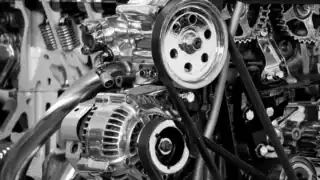
A timing belt — sometimes called a cam belt — is one of the most important components keeping your European vehicle’s engine running in time. It synchronises the rotation of the crankshaft and camshaft, controlling when the engine’s valves open and close. If it fails, the results can be severe. For drivers in Gatton and across the Lockyer Valley, European vehicles timing belt replacement is a service worth taking seriously before symptoms appear rather than after.
Why the Timing Belt Matters More in European Engines
Many European manufacturers — including Volkswagen, Audi, BMW, Peugeot, Renault, and Fiat — use timing belt-driven systems in engines where the clearance between pistons and valves is extremely tight. Engineers describe these as interference engines, meaning the pistons and valves occupy the same space at different points in the engine cycle. The timing belt keeps them apart. If the belt snaps or skips a tooth, pistons can collide with open valves at high speed, bending them instantly. That kind of damage often means a full engine rebuild or replacement.
This is not a rare failure mode. It is one of the most commonly seen preventable engine disasters in European vehicles, and it almost always comes down to a belt that was overdue for replacement.
When Should You Replace the Timing Belt on a European Vehicle?
Unlike some wear items that give clear warning signs, a timing belt can fail without any noticeable symptoms beforehand. This is what makes following the manufacturer’s service interval so critical. Most European manufacturers specify replacement based on either kilometres travelled or time elapsed, whichever comes first. Common intervals include:
- Volkswagen and Audi petrol and diesel engines: often 90,000 to 120,000 km, or every 5 years
- BMW four-cylinder diesel engines: some models specify as low as 100,000 km
- Peugeot and Renault diesel engines: typically 120,000 km or 10 years, though real-world wear often warrants earlier inspection
- Fiat and Alfa Romeo four-cylinder engines: commonly 90,000 km or 5 years
These intervals vary between engine codes within the same brand, so it is worth checking the specific schedule for your model rather than assuming a round number applies. If you have bought a used European vehicle and are unsure whether the belt has been replaced, treating it as overdue is the safer approach.
Signs That Something May Already Be Wrong
If the belt has started to deteriorate, you may notice a high-pitched squealing or ticking from the front of the engine, difficulty starting, or a rough idle that was not there before. In some cases, visible cracking or fraying on the belt itself can be spotted during an inspection. Any of these warrant a look before the next scheduled interval.
What We Do During a European Vehicles Cam Belt Replacement
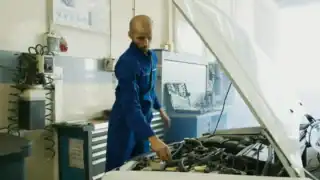
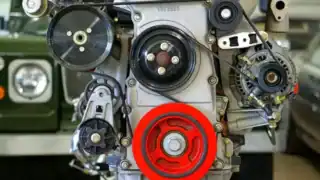
Replacing a timing belt on a European vehicle is not a straightforward parts swap. The front of the engine needs to be partially disassembled to access the belt, and the timing marks on the crankshaft and camshaft must be set precisely before the new belt is fitted and tensioned. Getting the tension wrong, even slightly, can cause premature belt failure or valve timing issues that affect performance and fuel economy.
At Gatton Automotive Solutions, we approach European vehicles timing belt replacement as a full service rather than just a belt change. When the timing cover is off, we inspect the tensioner pulley and idler pulleys that guide the belt under load. These bearings wear at a similar rate to the belt itself, and replacing a new belt over a worn tensioner is a false economy. We also inspect or replace the water pump where it is driven by the timing belt, which is common in many Volkswagen Group and French-brand engines. Replacing the water pump at the same time avoids pulling the whole front end apart again if it fails in another year or two.
We source parts to OEM specification for European vehicles, working with reputable suppliers to match the original belt type, width, and tension profile specified for your engine. Not all aftermarket timing kit components are equal, and for interference engines, fitting a quality-matched kit matters.
What Affects the Cost and Time Involved?
The cost of a cam belt replacement on a European vehicle varies more than most services. Engine accessibility is the primary factor. Some engines, particularly in Volkswagen, Audi, and certain BMW models, require removing ancillary components to reach the timing system, which increases labour time. Whether the job includes the tensioner kit, idler pulley, and water pump also affects the overall cost, though including them is almost always the practical choice given the labour already invested.
Parts availability for European vehicles can sometimes require sourcing lead time, particularly for older or less common models. We handle parts sourcing in-house, which means one less thing for you to organise. We will let you know the scope and expected timeframe before any work begins.
Locally Owned, Fully Equipped, and Right Here in Gatton
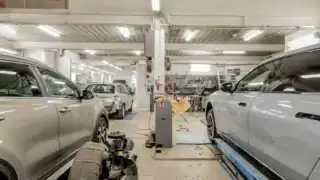
Driving to Ipswich or Toowoomba for European vehicle work is a long day out of your schedule for something that can be handled locally. Gatton Automotive Solutions is a full-service workshop covering everything from everyday passenger cars and 4WDs through to trucks and heavy equipment. We handle roadworthy certificates, suspension work, tyres, smash repairs, and mechanical servicing all under one roof. Our five-star rating reflects what we aim for on every job: straight advice, fair pricing, and work done properly the first time.
If your European vehicle is approaching its timing belt interval, or you are unsure when it was last replaced, Call Us Now or Book Your Free Inspection online. We are here in Gatton and ready to take a look.