Chinese vehicles brake repair requires a different diagnostic approach than you might find at a general workshop. Chinese-manufactured vehicles like Great Wall, JAC, Chery, and BYD have unique brake system architectures, hydraulic specifications, and electronic control modules that don’t always match the service data you’d pull for Japanese or European models. At Gatton Automotive Solutions, we’ve developed hands-on experience with the growing number of these vehicles on regional roads, and we understand what to look for when Chinese vehicles brake performance drops or warning lights appear. Whether you’re driving a ute, light commercial vehicle, or SUV made in China, proper brake inspection and repair starts with knowing your vehicle’s specific requirements.
Warning Signs Your Chinese Vehicle Needs Brake Attention
Brake issues don’t always announce themselves with a bang. Often you’ll notice the signs gradually, and by the time you book an inspection, the wear has progressed further than it should have. With Chinese vehicles specifically, pay close attention to these symptoms:
- Soft or spongy brake pedal that doesn’t firm up after pumping
- Brake pedal sinking toward the floor when you’re stopped at lights
- Longer stopping distances than normal, even on dry roads
- Brake warning light on the dashboard, especially the ABS or brake fluid warning
- Grinding or metal-on-metal noise when braking
- Pulling to one side under braking
- Vibration or pulsing through the brake pedal
- Brake fluid leaking under the vehicle or visible on the inside of wheels
Chinese vehicle brake systems often use sealed master cylinders and proportioning valves that can fail differently than older designs. A soft pedal might indicate a fluid leak in the slave cylinder, worn seals in the master cylinder, or even air trapped in the hydraulic lines after parts replacement. The ABS module on newer models is sensitive to sensor drift and wheel speed mismatches. If you see any of these warning signs in Gatton or the surrounding Lockyer Valley, don’t wait for the problem to worsen. Brake safety is non-negotiable.
How We Inspect and Repair Chinese Vehicle Brakes
Our diagnostic process for Chinese vehicles brake repair starts where most workshops skip ahead: understanding your specific vehicle’s brake architecture. Chinese manufacturers use a mix of conventional hydraulic systems and increasingly, electronic brake force distribution (EBD) and integrated ABS modules. We begin with a full system scan using diagnostic equipment calibrated to read Chinese vehicle fault codes accurately, because generic OBD2 scanners often miss manufacturer-specific stored data.
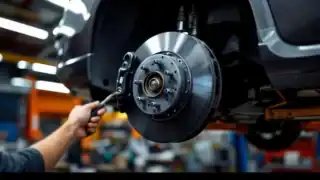
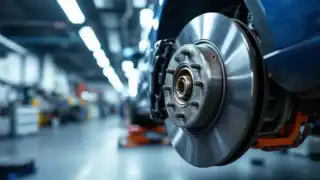
The physical inspection follows a structured sequence. We lift the vehicle, remove all four wheels, and measure brake pad thickness against manufacturer wear limits. Chinese brake pads often have thinner friction material than Western equivalents, so you’ll hit replacement intervals sooner. We inspect rotors for runout, lip formation, and thickness to determine whether they can be machined or must be replaced. We examine the condition of brake hoses for splits, leaks, or swelling, and check all caliper pistons for smooth operation and seal integrity.
Brake fluid inspection is critical on Chinese vehicles. Many use DOT 3 or DOT 4 fluid with specific hygroscopic properties that vary by OEM. Old or contaminated fluid compromises pressure delivery and can cause soft pedal symptoms. We flush and replace with fluid that meets your vehicle’s specification. For the master cylinder and proportioning valve, we test pressure output with a brake tester to ensure they’re delivering full force to each wheel circuit. If a wheel cylinder or caliper has failed internally, it won’t show up on a visual check, so we run this test before and after repairs.
Once repairs are complete, we road test your vehicle in controlled conditions to confirm stopping power, pedal feel, and warning light clearance. ABS function gets tested separately to ensure the module isn’t storing new fault codes.
What Affects Repair Time and Cost for Chinese Vehicle Brakes
Several factors determine how much work your brake repair requires and how long you’ll be without the vehicle. Brake pad replacement alone is a quick job, typically a few hours. But if rotors are warped or undersized after machining, if caliper pistons are seized, or if the master cylinder needs replacement, the work expands. Chinese vehicle brake components aren’t always stocked locally, which can add a day or two to turnaround time. We source parts directly where needed and keep common pads, rotors, and fluid in stock to minimise delays.
The choice between OEM-equivalent parts and quality aftermarket options affects cost but not safety. We source parts that match your vehicle’s original specification and durability expectations, and we’ll explain the difference between options before ordering. Hydraulic system work like master cylinder replacement takes longer because of the bleed procedure and safety testing required. Work that involves ABS modules requires precise scanning and often extended test drives to confirm the fault has cleared.
Labour time varies based on how accessible components are on your particular model. Some Chinese vehicle designs pack brake hardware into tight engine bay space, adding hours to what would be a straightforward repair on a more spacious layout.
Why Gatton Drivers Choose Us for Chinese Vehicle Brake Service
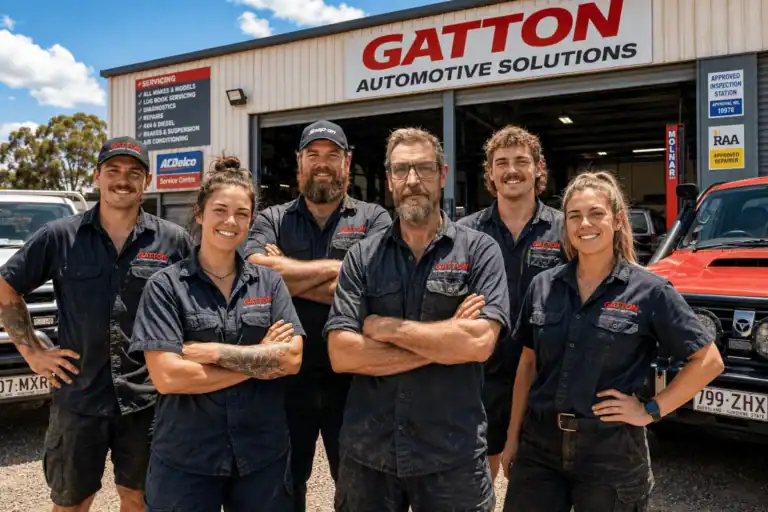
We’re a full-service one-stop workshop that works on cars, 4WDs, trucks, and heavy equipment all in one place. That breadth means we’ve seen brake designs across dozens of vehicle types, including the growing number of Chinese-manufactured vehicles on regional roads. You don’t need to drive 45 kilometres to Ipswich or longer to Toowoomba to find someone who understands your vehicle. We’re locally owned and operate right here in Gatton with honest advice and straight pricing. No upselling, no unnecessary work, no guessing. We explain what we find, show you what needs fixing, and let you decide.
Our customers consistently rate us highly because we answer questions plainly and never rush you into parts replacement you don’t need. We keep detailed service records so future repairs build on what we already know about your vehicle. With five-star reviews, we’ve earned trust across the Lockyer Valley by doing good work at fair prices and treating people right.
Next Steps for Your Chinese Vehicle Brakes
If you’re experiencing any brake warning signs, book your free inspection with us. We’ll diagnose the issue accurately, explain what needs fixing, and give you a clear picture of time and cost before we start work. Call us now or book your free inspection online, and let’s get your brakes sorted properly.