Limited Time: Free Windscreen Wipers With Any Service. Subject To Availability.

Locally Owned & Operated
Honest Upfront Pricing
5★ Reviews
All Makes & Models

Verified 5★ Reviews

Local Jeep Timing Belt Replacement In Gatton

Your Jeep's timing belt is critical to engine reliability. We replace it to factory specifications right here in Gatton, preventing costly breakdowns and keeping your vehicle running at its best.

One-Stop Workshop

Honest Advice

5★ Reviews

Jeep Timing Specialists

Book Your Free Inspection

Tell us what you need and we'll get back to you with a clear quote.

Booking Form
  • Vehicle Details
  • Confirm Vehicle
  • Services
  • Contact Details
Honest Quotes
All Vehicle Types
Local & Reliable

Why Book With Us

Book Your Free Inspection
Drop Off Your Vehicle
We Get to Work
Collect Your Car

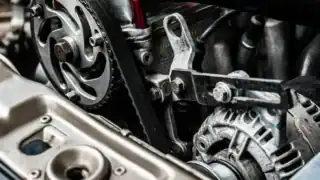
A Jeep timing belt replacement is one of those services that sits quietly on the maintenance schedule until it isn’t quiet anymore. The timing belt is a toothed rubber belt that keeps your engine’s camshaft and crankshaft turning in sync, controlling when valves open and close relative to the pistons. If it fails, the consequences in most Jeep engines are immediate and expensive. Getting ahead of it is the smarter play, and for Jeep owners across the Lockyer Valley and surrounds, Gatton Automotive Solutions handles the job without the drive to Ipswich or Toowoomba.

How Do You Know When Your Jeep Needs a Timing Belt Replacement?

Jeep’s service intervals for timing belt replacement vary by engine and model year, but the belt itself won’t always give you obvious warning signs before it fails. That’s what makes it different from a brake pad or a tyre. You might hear a high-pitched whirring or ticking from the front of the engine, which can indicate the belt is worn or the tensioner and idler pulleys are starting to fail. In some cases, the engine may be harder to start, idle roughly, or produce a slight misfiring sensation.

More often, though, the belt simply reaches the end of its service life without fanfare. For many Jeep four-cylinder and V6 petrol engines, the manufacturer’s recommendation falls in the range of 100,000 to 160,000 kilometres, depending on the specific engine. Your Jeep’s owner’s manual or logbook will carry the interval that applies to your vehicle. If you’ve bought a used Jeep and the service history is incomplete, that’s a strong reason to have the belt inspected sooner rather than later.

What We Check and Replace During the Service

We don’t replace the timing belt in isolation. The belt itself is only part of what’s involved. When the engine is open and accessible, we also inspect and typically replace the water pump (which is often driven by the timing belt in Jeep engines), the tensioner, and the idler pulleys. These components wear at a similar rate to the belt itself, and replacing them together means the work only needs to be done once.

Jeep’s 2.4-litre Tigershark four-cylinder, found in models like the Cherokee and Renegade, is actually a timing chain application rather than a belt, so the service differs for those variants. The older 4.0-litre inline-six, which powered generations of the Grand Cherokee and Wrangler, ran a timing chain as well. Where a cam belt is used, such as in some older Jeep four-cylinder engines, we confirm the correct belt specification for your exact engine code, not just the model name. Getting the specification right matters because a belt designed for a similar but different application can lead to premature failure.

Checking for Related Wear While We’re There

With the front of the engine accessible during a timing belt job, we also take the opportunity to check the condition of other drive belts, coolant hoses, and the overall state of the cooling system. We’ll let you know what we find before any additional work is quoted. No surprises, no work added to the bill without a conversation first.

What Affects the Cost and Time Involved?

A few variables affect both the time the job takes and the overall cost. Engine configuration plays a significant role. Some Jeep engines provide reasonably straightforward access to the timing system; others require more disassembly to reach the belt. The condition of surrounding components matters too. If the water pump shows early signs of leaking or the tensioner bearing feels rough, addressing those during the same visit saves a significant amount of labour compared to returning for a separate job later.

Parts sourcing is another factor. We can work with quality aftermarket timing belt kits built to OEM specifications, or source genuine-equivalent parts depending on your preference and the specific engine. We’ll walk you through the options honestly. The goal is always to match the right part to the application, not to up-sell a more expensive option where it isn’t warranted.

Why Jeep Owners Around Gatton Choose Us for This Job

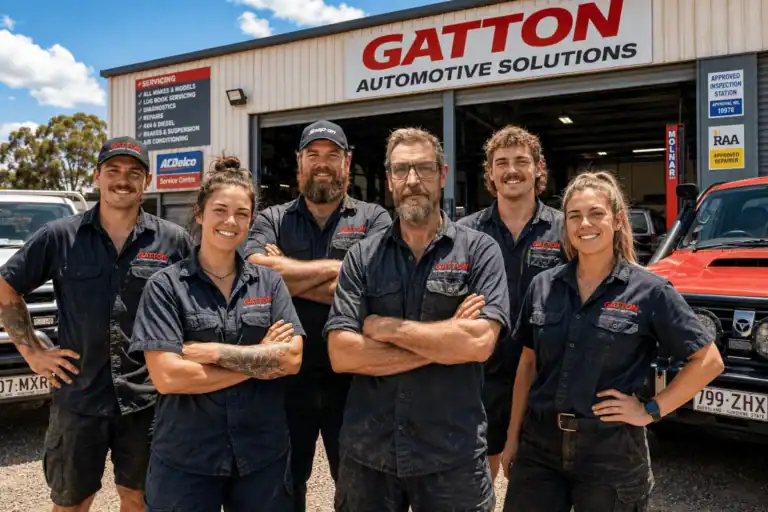
Gatton Automotive Solutions is a full-service workshop, handling everything from everyday passenger cars and 4WDs through to trucks, heavy equipment, and farm machinery. Jeep timing belt work sits comfortably in that mix. We handle the parts sourcing in-house, which means you’re not chasing down a component from a supplier while your vehicle sits waiting.

The team here is straight with customers. If the belt looks serviceable and you’re not yet near the replacement interval, we’ll tell you. If it’s due or overdue, we’ll explain why and show you what we found. For Lockyer Valley drivers who’d otherwise be looking at a 45 to 80-kilometre trip to a dealership service centre, getting this job done locally makes practical sense.

We’ve built a solid local reputation across Gatton and the wider region, reflected in five-star reviews from customers who keep coming back. That matters in a town this size.

Book Your Jeep Cam Belt Inspection in Gatton

If your Jeep is approaching its timing belt service interval, or if you’re unsure when the belt was last replaced, don’t leave it to chance. Call Us Now to speak with the team directly, or use the online booking to Book Your Free Inspection, and we’ll give you a straight answer on where things stand.
Your Local Workshop for Every Vehicle

Gatton Automotive Solutions is the one-stop shop for cars, 4WDs, trucks, and heavy equipment. Honest advice and fair pricing, right here in Gatton.

Honest Pricing, No Surprises

We tell you what’s needed and what it costs before we start. No upselling, no pressure.

Everything Under One Roof

Bring your car in and we’ll inspect it, explain what we find, and quote you upfront.

Jeep-Trained Technicians

We know Jeep engines inside out and source OEM-spec parts locally.

How Jeep Timing Belt Replacement Works

From booking to collection, here's how we replace your Jeep's timing belt safely and professionally.

Step 1

Book Your Free Inspection

Book your free inspection or call us now to get expert advice on your Jeep's timing belt.

Step 2

Timing Belt Assessment

We inspect belt condition, check tension, and confirm replacement interval using Jeep service specifications.

Step 3

Belt Replacement & Reseal

We remove the old belt, fit quality replacement parts, and reseal all covers to Jeep specifications.

Step 4

Test & Collection

We test-run your Jeep, confirm smooth operation, and hand it back ready for reliable kilometres ahead.

Five-Star Rated

Verified 5★ Reviews

Quality Parts From Trusted Suppliers

We use genuine and quality aftermarket parts from reputable suppliers. You get reliable components backed by proper warranties.

Book Your Free Inspection

Tell us what you need and we'll get back to you with a clear quote.

Booking Form
  • Vehicle Details
  • Confirm Vehicle
  • Services
  • Contact Details
Honest Quotes
All Vehicle Types
Local & Reliable

Why Book With Us

Book Your Free Inspection
Drop Off Your Vehicle
We Get to Work
Collect Your Car

Frequently Asked Questions

Browse answers to common questions about our services. Can't find what you're after? Give us a call and we'll help.

Most Jeep models call for a timing belt replacement somewhere between 90,000 and 160,000 kilometres, though the exact interval varies by engine and model year. Your owner’s manual is the best starting point, but if you’re not sure when yours was last done, or you’ve bought the vehicle second-hand, we can check the service history and inspect the belt’s condition. An aged or cracked belt is not something to leave and hope for the best.

A timing belt that fails while the engine is running can cause what’s known as interference damage, where the pistons and valves collide inside the engine. On many Jeep engines this means bent valves, damaged pistons, or a seized engine. The repair bill for that kind of damage is significantly higher than a belt replacement done on time. If your belt is overdue or showing signs of wear, it’s worth acting on sooner rather than later.

A worn timing belt doesn’t always give obvious warning before it lets go, which is part of what makes the service interval important. That said, some signs to watch for include a ticking or slapping noise from the engine, rough idling, difficulty starting, or an engine that misfires under load. An oil leak near the timing cover can also accelerate belt wear. If you notice any of these, it’s worth having the belt inspected rather than waiting until your next scheduled service.

We replace the timing belt itself and, where the manufacturer recommends it, the tensioner and idler pulleys that keep the belt running at the right tension. On many Jeep four-cylinder and V6 engines we also recommend replacing the water pump at the same time, since it’s driven by the belt and accessing it later means repeating most of the same labour. We’ll walk you through what’s being done before we start, so there are no surprises.

Certain Jeep four-cylinder engines, particularly older 2.4-litre and 2.5-litre units found in models like the Cherokee and Wrangler, have a reputation for timing belt tensioners that can weaken over time, allowing the belt to skip or lose tension before the kilometre interval is reached. On these engines it’s worth inspecting the tensioner closely during any belt service and replacing it as a matter of course rather than waiting for it to show obvious wear. We factor this into our approach when servicing these engines.

Under general ACCC guidance, Australian consumers are not required to have their vehicles serviced at a dealership to maintain a manufacturer warranty, provided the work is carried out to the manufacturer’s specifications using appropriate parts. This is general information rather than legal advice, and we recommend checking your specific warranty conditions if you’re unsure. We stamp logbooks and keep detailed records, so there’s a clear paper trail of the work completed.

For most Jeep models the job takes the better part of a day. Timing belt work involves removing ancillary components to access the belt, setting the engine back to the correct timing position, and reassembling carefully. If the water pump and tensioner are being replaced at the same time, factor in a little extra time. We’ll give you a realistic expectation when you book so you can plan around it. Many of our Gatton customers drop their vehicle in the morning and collect it later the same day.

We use quality OEM-equivalent parts from reputable suppliers that meet or exceed the original specifications for your Jeep’s engine. In most cases these parts perform to the same standard as genuine Jeep components at a more accessible price point. If you have a preference for genuine parts, let us know when you book and we can look into sourcing them. Parts sourcing is handled in-house here in Gatton, so we do the running around rather than leaving it to you.

Several things influence the final price, including the engine type in your Jeep, how many related components such as the water pump, tensioner, and idler pulleys need replacing at the same time, and the overall accessibility of the timing system on your specific model. Some Jeep engines have more involved disassembly than others. We provide a clear quote before any work begins so you know exactly what’s involved and why, with no unexpected charges added afterwards.

In most cases, yes. The water pump on many Jeep engines sits within the timing cover and is driven directly by the timing belt. Since the belt must come off to reach it, combining both jobs saves a significant amount of labour compared to doing them separately. Water pumps on higher-kilometre engines are also more likely to fail around the same interval. Replacing both together is a cost-effective way to avoid coming back for another major job in the near future.

A Jeep timing belt replacement should be recorded in the service history with a date and kilometre reading. If you have the logbook, check for an entry around the recommended replacement interval for your model. A reputable workshop will also label the timing cover with the replacement date. If the history is incomplete or the vehicle was privately owned, we can inspect the belt’s condition and cross-check the odometer reading against the expected service life to give you a clear picture.

Yes, a visual inspection is possible and can tell us a lot about the belt’s current condition. We look for cracking, fraying, glazing, or signs of oil contamination. That said, a belt that looks acceptable on the surface may still be close to the end of its safe service life based on age or kilometres alone. If the belt is within range of the recommended replacement interval, replacing it outright is generally the more practical call rather than simply inspecting and waiting.

Continue to site