A transmission problem can turn a reliable ute or SUV into an unreliable headache pretty quickly. Great Wall Transmission Repair is one of the more involved jobs we handle at Gatton Automotive Solutions, and it’s one where getting the diagnosis right the first time makes a real difference. Whether you’re driving a Great Wall Steed, a Cannon, or an older V-series, the transmission is doing serious work every day, and when something feels off, it’s worth getting it looked at before a manageable issue becomes a major one.
Warning Signs Your Great Wall’s Transmission Needs Attention
Transmission problems rarely appear out of nowhere. Most of the time there are clear signals before anything fails completely. The challenge is knowing what to look for, because some symptoms are easy to dismiss as minor quirks.
- Delayed engagement: You shift into drive or reverse and there’s a noticeable pause before the vehicle moves. This is a common early sign of internal wear or low fluid pressure.
- Slipping gears: The transmission unexpectedly drops out of gear, the engine revs climb but the vehicle doesn’t accelerate normally, or gear changes feel uncommitted.
- Harsh or shuddering shifts: Changes between gears feel rough, jerky, or produce a shudder through the drivetrain. This can be especially noticeable in automatic Great Wall models during low-speed manoeuvring.
- Fluid leaks: Reddish or brownish fluid under the vehicle after parking. Transmission fluid leaks lead to low levels, which accelerates internal damage quickly.
- Warning lights: A transmission warning light or check engine light with a transmission-related code stored in the ECU. Great Wall vehicles use the CAN bus system, and fault codes need to be read with compatible diagnostic equipment.
- Unusual noises: Whining, humming, or clunking sounds that change with vehicle speed or gear selection.
If you’re experiencing any of these, booking an inspection sooner rather than later usually works out cheaper. Waiting tends to turn a fluid service or a solenoid replacement into something more involved.
How We Approach Great Wall Gearbox Diagnostics and Repair
Great Wall vehicles, particularly the Steed and Cannon utes popular with tradies and farmers in the Lockyer Valley, use a mix of automatic and manual transmission configurations depending on the model year and variant. Our first step is always a proper diagnostic scan using equipment that reads Great Wall-specific fault codes. A generic scan tool won’t pull all the data you need from these vehicles, and guessing at a fault without the full picture wastes time and money.
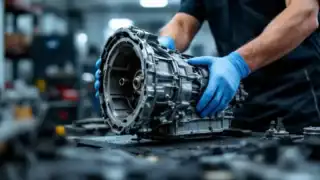
After the initial scan, we carry out a physical inspection: checking fluid condition and level, inspecting the transmission pan for metal debris (which tells us about internal wear), and assessing the condition of external components like the torque converter, transmission cooler lines, and mounts. On automatic models, we also check solenoid function and clutch pack pressure where accessible without a full teardown.
From there, we give you a straight rundown of what we’ve found, what the repair involves, and what the options are. For some jobs, a fluid and filter service is enough. For others, a solenoid replacement, a valve body repair, or a full rebuild is the appropriate path. We’ll tell you which one applies to your vehicle and why, not just what costs the least in the short term.
Parts and Fluid for Great Wall Transmissions
Great Wall uses ZF, Aisin, and Mitsubishi-sourced transmissions in various models, so parts availability varies depending on the specific unit in your vehicle. We source OEM-specification or quality-equivalent parts suited to the transmission type in your Great Wall, not generic components that may not meet the pressure and temperature tolerances these units require. Transmission fluid specification matters too. Using the wrong fluid type in a Great Wall automatic can cause premature clutch wear, so we match the fluid to the manufacturer’s spec for your specific model.
What Affects the Cost and Time of a Transmission Repair in Gatton?
Transmission work varies a lot depending on the fault. A fluid service is straightforward. A solenoid replacement is more involved but still a focused job. A full rebuild or replacement takes significantly more time and depends on parts availability for your specific Great Wall model and transmission unit. Older V-series models may require sourcing parts that aren’t kept in local stock, which adds lead time. Newer Cannon models are generally better supported with parts locally.
We’ll always give you a clear picture of what’s involved before any work begins. No surprises at the end.
Why Lockyer Valley Great Wall Owners Bring Their Vehicles to Us
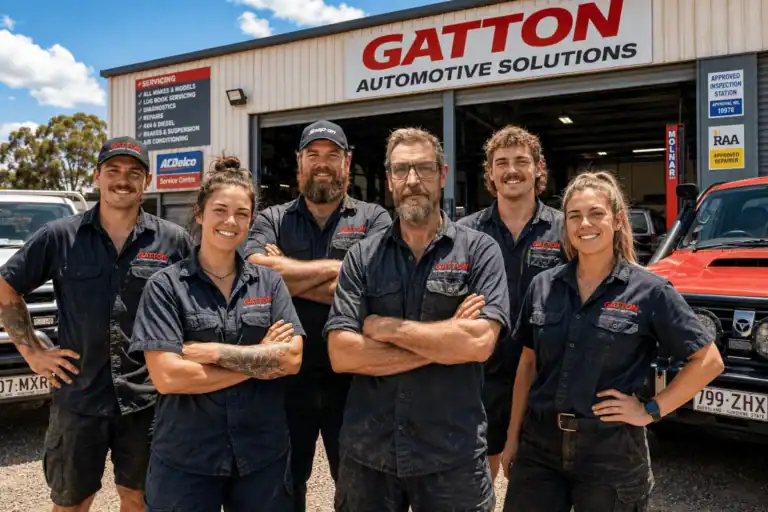
Gatton Automotive Solutions is a full-service workshop handling everything from everyday cars and 4WDs through to trucks, heavy equipment, and farm machinery. For Great Wall ute owners in Gatton and across the Lockyer Valley, that breadth matters. You don’t need to drive 45 minutes to Ipswich or Toowoomba for a transmission specialist when the capability is right here locally. We handle the diagnostics, the repair, parts sourcing, and if needed, roadworthy certificates on-site when the vehicle is being returned to road use after a significant repair.
Our customers rate us with five-star reviews, and that reflects the way we work: straight advice, no unnecessary upselling, and a repair done properly the first time. Whether it’s a single-vehicle owner or a local business running a fleet of work utes, we give the job the same level of attention.
If your Great Wall is showing transmission trouble, Call Us Now or use the online booking form to Book Your Free Inspection. We’re based in Gatton and ready to help get your vehicle back on the road.