Limited Time: Free Windscreen Wipers With Any Service. Subject To Availability.

Locally Owned & Operated
Honest Upfront Pricing
5★ Reviews
All Makes & Models

Verified 5★ Reviews

Highly Rated Jeep Transmission Specialist In Gatton

Transmission trouble with your Jeep? Our Gatton workshop diagnoses and repairs transmission faults with honest advice and straight pricing, getting you back on the road without the run-around.

One-Stop Workshop

Honest Advice

5★ Reviews

Jeep Transmission Specialists

Book Your Free Inspection

Tell us what you need and we'll get back to you with a clear quote.

Booking Form
  • Vehicle Details
  • Confirm Vehicle
  • Services
  • Contact Details
Honest Quotes
All Vehicle Types
Local & Reliable

Why Book With Us

Book Your Free Inspection
Drop Off Your Vehicle
We Get to Work
Collect Your Car

A Jeep Transmission Repair is rarely something drivers plan for, but the signs are usually there before the problem gets serious. Whether you’re driving a Wrangler across the Lockyer Valley, a Grand Cherokee on the daily commute, or a Gladiator pulling weight on the farm, transmission trouble can sideline your vehicle fast. At Gatton Automotive Solutions, we work on Jeep transmissions regularly and understand the specific quirks these vehicles bring through the door.

Symptoms That Point to a Jeep Transmission Problem

Jeep’s transmission range covers everything from older 42RLE and 45RFE automatic units to the more recent 8HP70 eight-speed automatics and the six-speed NSG370 manual found in Wranglers. Each has its own failure patterns, but there are common warning signs worth knowing.

  • Delayed engagement: You shift into Drive or Reverse and the vehicle hesitates before moving. This is often an early sign of fluid pressure issues or a solenoid fault.
  • Harsh or erratic shifting: The gearbox clunks into gear, hunts between ratios, or skips a gear entirely. In Jeep automatics, this can relate to worn clutch packs or a dirty valve body.
  • Slipping gears: The engine revs without a corresponding increase in speed. The vehicle feels like it momentarily loses drive before catching again.
  • Transmission warning light or check engine light: Jeep’s powertrain control module (PCM) monitors transmission function closely. A stored fault code doesn’t always mean a rebuild is needed, but it does mean an accurate diagnosis first.
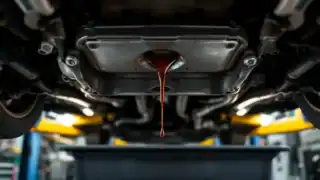
  • Fluid leaks or burnt fluid smell: Transmission fluid should be red to light brown. Dark or burnt-smelling fluid signals breakdown or overheating, both of which cause internal wear quickly.
  • Shudder at highway speed: Some Jeep models experience torque converter shudder at cruising speed. It feels like driving over rumble strips even on smooth road.

If you’re noticing any of these, don’t wait until the gearbox fails completely. Catching a transmission fault early almost always means less repair work and less cost.

How We Diagnose and Repair Jeep Transmissions

We start with a scan of the PCM using diagnostic equipment that reads Jeep-specific fault codes, not just generic OBD-II data. Jeep vehicles often log transmission codes alongside engine and body codes, and reading them in context matters. A P0700 code, for instance, simply flags that a transmission fault has been logged elsewhere. The actual diagnosis lives in the secondary codes, and that’s where meaningful information is.

From there, we carry out a road test to feel how the transmission behaves under load, at operating temperature, and across the shift range. We check fluid condition and level, inspect for external leaks at the pan gasket, cooler lines, and output shaft seals, and assess whether the issue is electrical, hydraulic, or mechanical in nature.

Common Jeep Transmission Issues We See

The 45RFE and 545RFE units found in older Grand Cherokees and Commanders are known to develop solenoid pack wear over time, particularly when transmission service intervals have been missed. The 42RLE in earlier Wranglers can develop valve body issues that cause harsh shifts. Newer Jeep models with the ZF-sourced 8HP70 are generally more reliable but are sensitive to fluid quality, and using the wrong fluid type can cause shudder and shift complaints that mimic more serious faults.

Where the fault is mechanical, we discuss the scope of repair clearly before any work is authorised. That might be a solenoid replacement, a valve body service, a torque converter replacement, or a full transmission rebuild or exchange depending on what we find.

What Affects the Cost and Time Involved

Transmission work varies significantly depending on what’s actually wrong. An electrical fault, such as a failed solenoid or sensor, can often be resolved without removing the transmission from the vehicle. A fluid and filter service is straightforward. Internal mechanical damage or a worn torque converter is a different job entirely and takes more time and parts.

Parts availability for Jeep transmissions can be a factor, particularly for older or less common models. We handle parts sourcing directly, so you’re not chasing down components yourself. Where possible, we’ll discuss OEM-specification versus quality aftermarket options with you so you can make an informed call on the repair. Labour time depends on whether the transmission needs to stay in the vehicle or come out, and that’s something we’ll confirm once the diagnosis is complete. We won’t quote a rebuild before we know one is actually needed.

Why Jeep Owners Around Gatton Come to Us

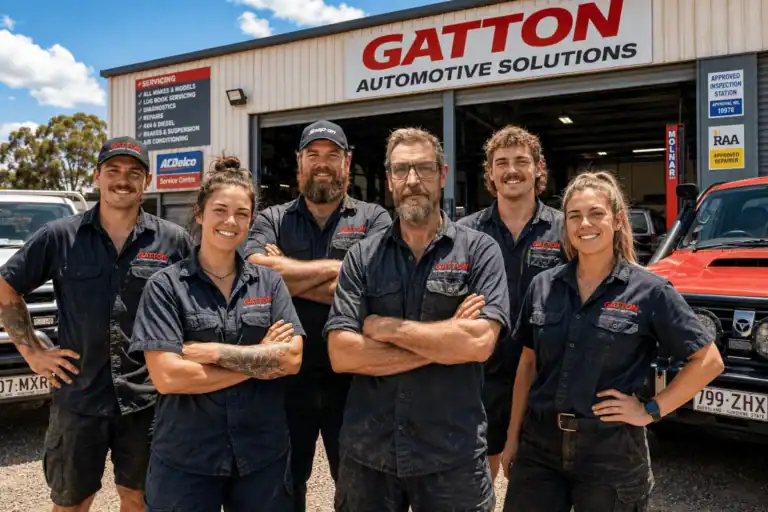
Gatton Automotive Solutions is a full-service workshop covering cars, 4WDs, trucks, and heavy equipment. Transmission repairs sit alongside logbook servicing, suspension work, tyre fitting, smash repairs, and roadworthy certificates, all under the same roof. For Jeep owners in the Lockyer Valley, that means no trip to Ipswich or Toowoomba for workshop-level transmission diagnostics and repair.

We give you honest information upfront. If a transmission fault turns out to be a solenoid swap and a fluid service rather than a full rebuild, that’s what we’ll tell you. Our approach is to do what the vehicle needs, not what generates the biggest invoice. With five-star reviews from local drivers, that approach speaks for itself.

If your Jeep is showing signs of gearbox trouble, get in touch with the team in Gatton before the problem gets worse. Call Us Now or Book Your Free Inspection online and we’ll get it diagnosed properly.
Other Services

Whatever your needs we have you covered, see some similar services below or click "See All Services" to explore our full service offering.

Your Local Workshop for Every Vehicle

Gatton Automotive Solutions is the one-stop shop for cars, 4WDs, trucks, and heavy equipment. Honest advice and fair pricing, right here in Gatton.

Honest Pricing, No Surprises

We tell you what’s needed and what it costs before we start. No upselling, no pressure.

Everything Under One Roof

Bring your car in and we’ll inspect it, explain what we find, and quote you upfront.

Jeep-Specific Diagnostic Equipment

Jeep-aligned diagnostics pinpoint transmission faults accurately, saving time and cost.

How Jeep Transmission Repair Works

From diagnosis to rebuild, here's how we get your Jeep's transmission back to smooth, reliable shifting.

Step 1

Book Your Free Inspection

Call us or book online to describe transmission symptoms and schedule your inspection at our Gatton workshop.

Step 2

Transmission Diagnostic Scan

We run a full diagnostic scan using Jeep-compatible equipment to read fault codes and identify the root cause.

Step 3

Transmission Repair & Rebuild

Our technicians repair or rebuild the transmission using OEM-spec parts where needed for lasting durability.

Step 4

Test Drive & Handover

We test your Jeep thoroughly, confirm smooth shifting, and walk you through the completed work before collection.

Five-Star Rated

Verified 5★ Reviews

Quality Parts From Trusted Suppliers

We use genuine and quality aftermarket parts from reputable suppliers. You get reliable components backed by proper warranties.

Book Your Free Inspection

Tell us what you need and we'll get back to you with a clear quote.

Booking Form
  • Vehicle Details
  • Confirm Vehicle
  • Services
  • Contact Details
Honest Quotes
All Vehicle Types
Local & Reliable

Why Book With Us

Book Your Free Inspection
Drop Off Your Vehicle
We Get to Work
Collect Your Car

Frequently Asked Questions

Browse answers to common questions about our services. Can't find what you're after? Give us a call and we'll help.

Jeep transmission repair covers diagnosing and fixing faults in the gearbox system, whether that’s an automatic or manual unit. The process starts with a scan for fault codes and a physical inspection of fluid condition, seals, solenoids, and internal components. Depending on what we find, work can range from a fluid service and solenoid replacement through to a full rebuild or exchange unit. We’ll explain exactly what’s needed before any work begins, so you’re never left guessing.

No. A slipping gearbox is a sign that something is already failing, and continuing to drive will usually make the damage worse and more expensive to repair. In some cases it can also create a safety risk, particularly if the transmission slips unexpectedly during overtaking or merging. If you notice slipping, delayed gear engagement, shuddering, or a burning smell from the drivetrain, stop driving and get the vehicle inspected as soon as you can.

Yes, a few issues come up regularly with these models. The 845RE and 8HP automatic transmissions found in later Grand Cherokees can develop torque converter shudder and solenoid pack faults. Older Wranglers with the 42RLE are prone to pressure control solenoid failures that cause harsh shifts or limp mode. The Pentastar-era Jeeps are also sensitive to fluid condition, so using the correct fluid specification matters a lot. Knowing the model and build year helps us target the right diagnostic steps from the start.

The cost varies quite a bit depending on what the fault turns out to be. A fluid service or solenoid replacement sits at the more affordable end. A full rebuild or exchange unit is a significantly larger job. Other factors that affect price include the specific model and transmission type, the cost of sourcing parts for that Jeep variant, and how much labour the repair involves. We’ll give you a clear quote after diagnosis so you can make an informed decision before we start any work.

Under general ACCC guidance, having your vehicle serviced or repaired by a qualified independent workshop does not automatically void a manufacturer warranty. This applies to transmission work as much as routine servicing. That said, warranty situations can vary depending on the age of the vehicle, the type of warranty, and the specific fault involved. We’d always recommend checking the terms of your particular warranty if you’re unsure. This is general information only, not legal advice.

Common signs include delayed or rough gear changes, the gearbox slipping between gears, a shudder or vibration during acceleration, the vehicle entering limp mode (where it stays in one gear to protect itself), dark or burnt-smelling transmission fluid, and warning lights on the dash. Jeeps with four-wheel drive systems can also show symptoms through unusual behaviour when switching between 2H, 4H, and 4L. Any of these is worth getting checked rather than leaving until the next service.

We use quality OEM-equivalent parts sourced through our parts network, which meet or match the original manufacturer specifications. For some Jeep transmission repairs, we can also source genuine Mopar components where that’s the better option for the specific fault. We’ll talk you through the parts being used and why before the job starts. Our parts sourcing is handled in-house, so you don’t need to chase anything down yourself.

Simpler repairs, like a fluid service, solenoid swap, or sensor replacement, can often be completed within a day. A full transmission rebuild or exchange unit is a more involved job and will take longer. We won’t give you a firm timeframe until we’ve diagnosed the fault, because rushing an assessment leads to missed problems. Once we know what’s needed, we’ll give you a realistic timeline so you can plan accordingly.

Most Jeeps benefit from a transmission fluid inspection every 40,000 to 60,000 kilometres, though the interval can vary by model, transmission type, and how the vehicle is used. Jeeps used for towing, off-road driving, or working in dusty conditions around the Lockyer Valley will place more stress on the transmission and may need more frequent attention. Checking the fluid condition at each major service is a good habit, as deteriorated fluid is one of the main contributors to early transmission wear.

Not at all. Gatton Automotive Solutions handles transmission diagnostics, repairs, and rebuilds for Jeep vehicles right here in Gatton. We work on cars, 4WDs, and larger vehicles, so Jeep’s range falls comfortably within what we do every day. Driving 45 to 80 kilometres each way for gearbox work adds time, cost, and inconvenience you don’t need, especially if your vehicle is already showing transmission symptoms. Book Your Free Inspection with us and we’ll take it from there.

When you bring your vehicle in, we start with a road test to observe how the transmission behaves under normal driving conditions. From there we connect our diagnostic equipment to read any stored fault codes, then inspect the fluid level and condition, external seals, and wiring to transmission-related components. If a deeper inspection is needed, we’ll let you know before going further. You’ll receive a clear explanation of what we found and what we recommend before any repair work is approved.

Yes. Independent workshops can carry out logbook-style servicing and record the work completed, including transmission services. Under general ACCC guidance, consumers are not required to have their vehicle serviced at a dealership to maintain their manufacturer warranty. We document all work carried out so your service history stays complete and accurate. If you have a specific warranty concern, it’s worth reviewing the terms of your coverage directly, as this is general information and not legal advice.

Continue to site