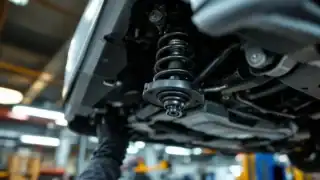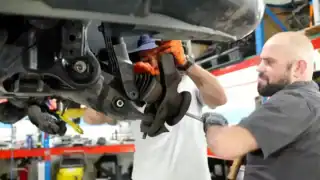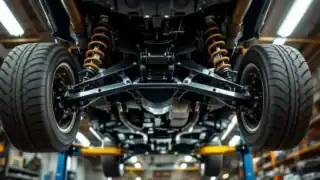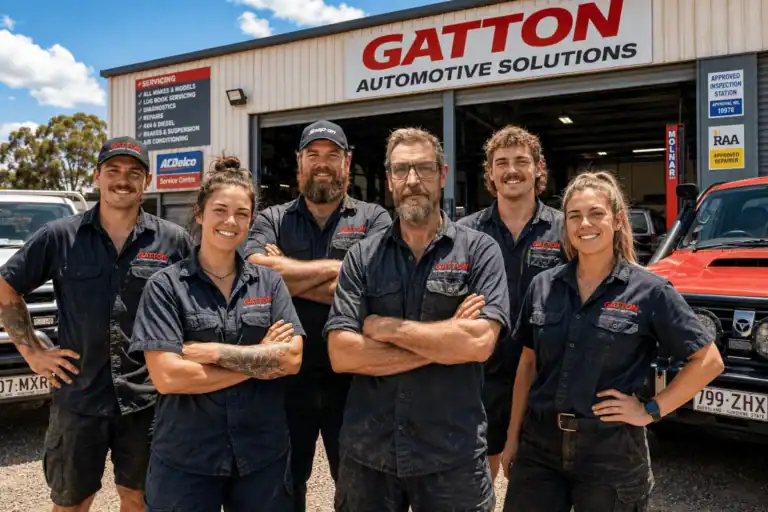
A Land Rover suspension check is one of the more important inspections you can have done on these vehicles, and not just because Land Rovers are built to handle rough terrain. The air suspension and adaptive damping systems fitted to most modern Land Rovers are complex, load-bearing components that affect ride height, handling, and safety on every type of road. If something feels off, whether that’s a rough ride over the Gatton area’s back roads or a corner that doesn’t quite sit right, a proper inspection is the right first step.
Warning Signs Your Land Rover Suspension Needs Attention
Land Rover’s air suspension is sophisticated, which means when it develops a fault, the signs can be subtle at first. Some owners notice the vehicle sitting unevenly, with one corner appearing lower than the others, particularly after the car has been parked overnight. Others experience the ride becoming noticeably firmer or bouncier without any apparent cause.
Common symptoms that bring Land Rover owners in for a suspension check include:
- Uneven ride height – one corner sitting lower than the rest, or the vehicle appearing to sag at the rear after a load
- A suspension fault warning on the dashboard, often displaying through the terrain response or driver assistance systems
- Clunking or knocking sounds when travelling over uneven ground, speed bumps, or rail crossings
- Nose-diving under braking or the vehicle leaning heavily through corners
- Air compressor running constantly or noticeably more often than usual, which can indicate a slow air leak in the bags or struts
- Reduced towing stability on the Warrego Highway or through the Lockyer Valley’s rural roads
Any one of these on its own warrants a proper look. Leaving air suspension issues unresolved can accelerate wear on other components and put unnecessary strain on the compressor, which is one of the more expensive parts on these vehicles to replace.
What a Land Rover Suspension Check Involves
Land Rovers aren’t inspected the same way as a standard sedan. The air suspension system relies on a network of air springs, height sensors, a compressor, and a control module that communicates with the vehicle’s ECU (engine control unit). A thorough check covers all of these, not just the visible hardware.
Electronic Diagnostics First
We start with a diagnostic scan using Land Rover-compatible equipment. The EAS (Electronic Air Suspension) module logs faults that don’t always trigger a visible warning light but can point directly to which corner or component is the source of the problem. This step alone saves significant time compared to working through the system by inspection only.
Physical Inspection of Suspension Components
After the scan, we work through the suspension mechanically. This includes checking the air springs (also called air bags or air struts) for cracking, perishing, or collapsed sections, inspecting the height sensors for damage or corrosion, and assessing the condition of the upper and lower ball joints, control arm bushes, and anti-roll bar links. We also check the compressor mounting and air lines for wear, particularly around the chassis where chafing is common on higher-mileage Discovery and Defender models.
Load and Ride Height Verification
We check that the vehicle reaches and holds its correct ride height across all four corners. If the system is losing pressure, we can often pinpoint the source during this phase. On vehicles with Terrain Response, we also verify that the suspension responds correctly when modes are switched, since a fault in the height sensors can affect the whole system’s calibration.
What Affects the Cost and Time of a Suspension Check?
A Land Rover suspension check takes longer than a standard suspension inspection on most other vehicles, purely because of the electronic system involved. The time required depends on how many fault codes are present, whether the issue is straightforward (such as a failed height sensor) or involves multiple components, and whether the air compressor needs to be run through a pressure test.
Parts costs vary depending on whether OEM-specification components or quality aftermarket equivalents are used. For air suspension components in particular, we discuss the options with you before any work begins. Genuine Land Rover parts offer the best fit and calibration compatibility, but there are reputable aftermarket brands that perform well and suit different budgets. We source parts directly, so you’re not waiting on a dealership order and there’s no reason to make the trip to Ipswich or Toowoomba.
Why Gatton Automotive Solutions for Your Land Rover?
We’re a full-service workshop handling everything from everyday passenger cars through to 4WDs, trucks, and heavy equipment. Land Rover owners across the Lockyer Valley bring their vehicles here because we have the diagnostic capability to work with the EAS system properly and the mechanical experience to back it up.
Our pricing is straightforward. We tell you what we find, explain what needs doing, and give you the information to make the right call. No unnecessary work gets added to an invoice. If your suspension check turns up a roadworthy concern, we can issue the certificate on-site as well, so there’s no second trip required.
We’ve built a strong local reputation with five-star reviews, and that’s not something we take lightly in a community the size of Gatton. Beyond suspension work, the workshop also handles smash repairs and custom paintwork, tyre supply and fitting, roadworthy certificates, agricultural and farm equipment servicing, and parts sourcing – all under one roof.
Book a Land Rover Suspension Check in Gatton
If your Land Rover is showing any of the signs listed above, or you just want peace of mind before a long trip through the valley or beyond, Call Us Now or Book Your Free Inspection online. We’ll give your suspension a proper look and let you know exactly where things stand.