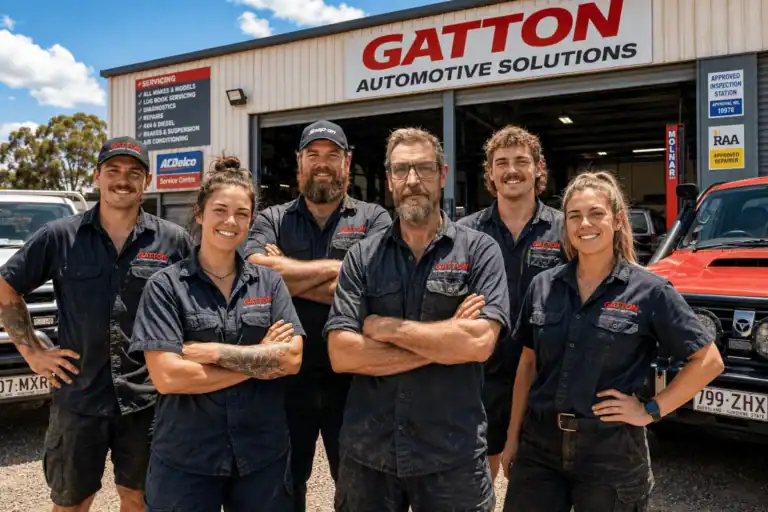
A clutch issue on your LDV can stop your day cold. Whether you drive an LDV T60 ute for work, a G10 van for deliveries, or a D90 wagon for the family, a clutch that’s slipping, dragging, or making noise needs attention before it leaves you stranded. LDV clutch repair is something we handle regularly at Gatton Automotive Solutions, and because LDVs are increasingly common across the Lockyer Valley for both tradespeople and commercial operators, we’ve built solid familiarity with how these vehicles behave and what their clutch systems actually need.
Signs Your LDV Clutch Needs Attention
LDV clutch problems don’t always announce themselves with a dramatic failure. More often they creep in gradually, and it’s easy to write off early symptoms as just the way the vehicle drives. Here’s what to watch for:
- Slipping under load: The engine revs climb but the vehicle doesn’t accelerate in proportion. This is especially noticeable when towing, carrying a payload, or climbing a hill.
- High bite point: If you’re finding you need to let the clutch pedal out nearly all the way before it engages, the friction disc is wearing thin or the cable and hydraulic components need adjustment.
- Difficulty selecting gears: Grinding when shifting into first or reverse, or resistance when trying to change gears at speed, can point to a worn clutch disc or a problem with the hydraulic master or slave cylinder.
- Clutch pedal feels different: Sponginess, vibration through the pedal, or a pedal that feels heavier or lighter than normal are all signs worth investigating.
- Burning smell after hills or heavy use: A sharp burning smell, a bit like singed rubber, suggests the clutch is slipping under load and the friction material is overheating.
- Shudder on take-off: A juddering sensation as you pull away from a standstill often points to contamination on the clutch disc, such as oil from a leaking rear main seal, or a warped pressure plate.
If you’re noticing any of these signs around Gatton or out on a rural property run, it’s worth booking an inspection before the clutch fails completely. A slipping clutch rarely recovers on its own.
How We Approach LDV Clutch Diagnostics and Repair
LDV vehicles use hydraulic clutch actuation across most of their current range, which means the diagnosis isn’t just about the friction components. We assess the full clutch system before recommending any work.
We start with a drive assessment and pedal feel check, then inspect the hydraulic circuit: the master cylinder, slave cylinder (internal or external depending on the model), and the clutch line for leaks, air, or fluid contamination. On the T60 in particular, we pay attention to the concentric slave cylinder inside the gearbell housing, as this component wears alongside the clutch kit and is best replaced at the same time to avoid a second job later.
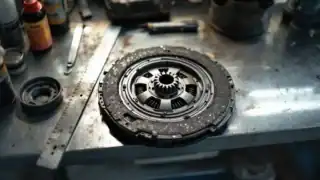
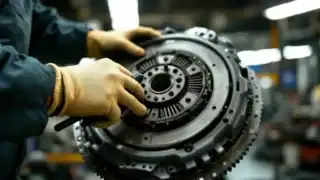
Once we’ve confirmed the fault, we remove the gearbox to access the clutch assembly. We inspect the flywheel for heat cracking, scoring, or surface glazing, and assess whether it can be machined or needs replacement. The clutch kit itself, which includes the friction disc, pressure plate, and release bearing, is replaced as a complete set. We use parts that meet LDV OEM specifications, which matters because LDV transmissions have specific torque capacity requirements that undersized or mismatched aftermarket parts won’t reliably meet.
After reassembly, we bleed and adjust the hydraulic system, then road test the vehicle under realistic load conditions to confirm smooth engagement across all gears.
What Affects the Cost and Time Involved in LDV Clutch Work
Clutch replacement is one of the more labour-intensive jobs in mechanical repair simply because of the gearbox removal involved. On LDV models like the T60, the process is straightforward compared to some European vehicles, but the job still takes meaningful workshop time. Several factors influence how long it takes and what parts are needed:
- Whether the flywheel requires machining or full replacement
- The condition of the rear main seal, which we inspect when the gearbox is already out
- Whether the hydraulic components, particularly the slave cylinder, need attention at the same time
- Parts availability for your specific LDV model and variant
We source parts specifically matched to your LDV’s specification. We’ll always walk you through what we’ve found and what we recommend before any work begins, so there are no surprises on the bill.
Why Gatton Automotive Solutions for Your LDV
LDV utes and vans are working vehicles, and the people who own them in this part of Queensland need a workshop that understands that. Losing a T60 for a week while parts get shipped to a dealer in Ipswich or Toowoomba is a real problem. We’re a full-service workshop right here in Gatton, handling everything from general car servicing and clutch repairs through to heavy vehicle work, smash repairs, suspension upgrades, and tyre fitting, all under one roof.
We handle fleet and commercial vehicles regularly, so if you run more than one LDV or a mixed light commercial fleet across the Lockyer Valley, we’re set up to keep your vehicles moving. Parts sourcing is managed in-house, and we’ll tell you straight what the vehicle needs without padding the job with unnecessary work. Our customers rate us five-star rated, and we’d rather earn the next one than trade on a guarantee.
If your LDV clutch is giving you grief, Call Us Now or Book Your Free Inspection online. We’ll take a look, tell you exactly what’s going on, and get you sorted without the trip out of the valley.