A slipping clutch or a gear change that grinds and fights back is more than an annoyance. It’s a sign that something in your drivetrain needs attention before a minor wear issue turns into a breakdown on the Warrego Highway. Hyundai clutch repair is one of the more common jobs we handle at our Gatton workshop, and it’s one where catching the problem early makes a real difference to how much work is involved when the car eventually comes in.
How Do You Know Your Hyundai Clutch Is Failing?
Clutch wear happens gradually, which means drivers often adapt to the symptoms without realising the clutch is nearing the end of its life. The most common sign is clutch slip — when you accelerate, the engine revs climb but the car doesn’t respond with the same urgency. You might notice it most when pulling away from traffic lights or accelerating to merge on the highway.
Other signs worth paying attention to include:
- A high or spongy biting point that keeps creeping higher up the pedal travel
- Difficulty getting the car into gear, or a crunching feel when shifting
- A burning smell after stop-start driving or manoeuvring in a car park
- Vibration or shudder through the pedal when moving off from a standstill
- A clutch pedal that feels heavier than usual or sticks to the floor
Hyundai models like the i30, Tucson, Accent, and Elantra use cable or hydraulic clutch systems depending on the model year and variant. A hydraulic system introduces additional failure points, including the master and slave cylinders, so what feels like a clutch wear problem can sometimes be a hydraulic issue instead. That distinction matters because the repair is quite different.
What Hyundai Clutch Repair Actually Involves
We start with a proper assessment before any parts are ordered. On Hyundai models with a hydraulic clutch, we check fluid levels, inspect the master cylinder and slave cylinder for leaks or pressure loss, and confirm whether the fault is mechanical wear or hydraulic failure. On older cable-operated systems, we check for cable stretch, fraying, and correct adjustment at the pedal end.
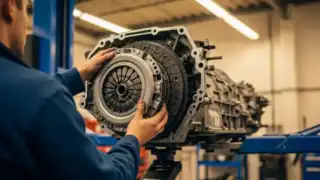
If the clutch assembly itself needs replacing, we remove the gearbox to access the clutch components. A full clutch kit typically includes the friction disc (the part that wears down through normal use), the pressure plate (which clamps the disc against the flywheel), and the release bearing (also called a thrust bearing, which disengages the clutch when you press the pedal). We replace all three as a set, because the labour to access them is the same regardless of how many components are replaced.
While the gearbox is out, we inspect the flywheel surface. On some Hyundai models, especially those that have done higher kilometres in towing or stop-start conditions, the flywheel can develop heat cracks, scoring, or glazing that would cause the new clutch to wear unevenly. If the flywheel needs machining or replacement, we’ll tell you up front before proceeding. We use parts that meet or match Hyundai’s original specifications, so your replacement clutch behaves the way the car was designed to perform.
A Note on Dual-Mass Flywheels
Newer Hyundai models, particularly turbocharged variants like the i30 N and some diesel Tucsons, use a dual-mass flywheel rather than a conventional solid flywheel. This design absorbs drivetrain vibration but is significantly more expensive to replace. If your Hyundai has a dual-mass flywheel and it’s showing wear alongside the clutch, we’ll discuss both options with you clearly so you can make an informed decision about the repair scope.
What Affects the Cost and Time for Clutch Work in Gatton?
Clutch repair pricing varies based on a few honest factors. The main ones are the model and how accessible the gearbox is, whether the flywheel needs attention, and whether OEM or quality aftermarket parts are used. More complex all-wheel-drive Hyundai variants naturally involve more disassembly than a front-wheel-drive hatchback, and that’s reflected in the labour time.
Parts availability is rarely an issue for popular Hyundai models in the Lockyer Valley. Because we source parts directly through the workshop, we can usually get what’s needed quickly without you chasing down suppliers yourself. We’ll give you a clear quote before any work starts, with no surprises added on at the end.
Why Bring Your Hyundai to Gatton Automotive Solutions?
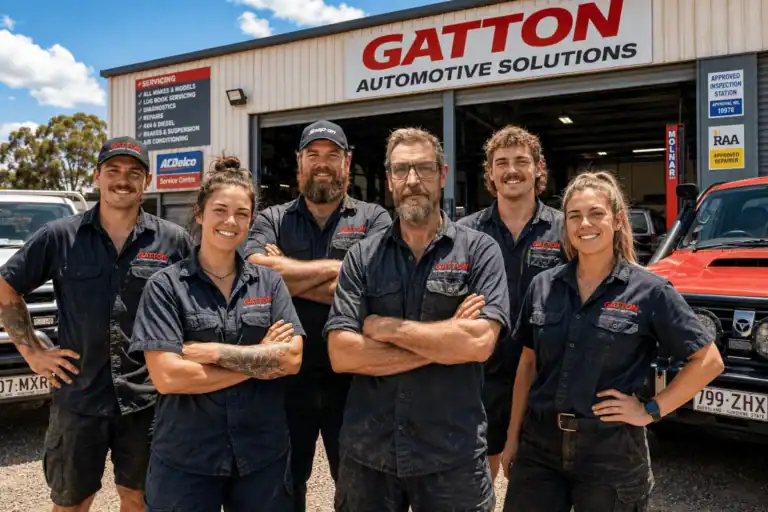
Gatton Automotive Solutions is a full-service workshop locally owned and operated in Gatton. For Lockyer Valley drivers, that means you don’t need to load your car onto a trailer or arrange a hire vehicle to get clutch work done in Ipswich or Toowoomba. We handle everything from everyday passenger cars right through to 4WDs, utes, trucks, and heavy equipment, so whatever you drive, we have the experience and the gear to deal with it properly.
Our reputation in the local area is built on straightforward advice and honest pricing. We don’t recommend work that isn’t needed, and we’ll always walk you through what we’ve found before we start. With five-star reviews from drivers in and around Gatton, that approach speaks for itself. Beyond clutch repairs, our workshop covers roadworthy certificates, smash repairs, custom paintwork, suspension upgrades, tyre supply and fitting, and parts sourcing, all handled in the one place.
If your Hyundai is showing signs of clutch wear, don’t wait until you’re stranded. Book Your Free Inspection online today, or Call Us Now to talk through what you’re experiencing before you come in.