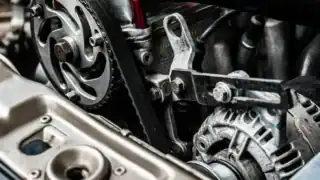
Your American vehicles drive belt replacement is one of those services that doesn’t always make itself obvious until something goes wrong. The serpentine belt (sometimes called the fan belt or engine drive belt) is the rubber loop that drives your alternator, power steering pump, water pump, and air conditioning compressor. It’s made to last, but it doesn’t last forever. When it starts to wear, you’ll notice it, and when it fails completely, your vehicle stops running. We see American vehicles regularly here in Gatton that have put off this job longer than they should have, and it’s one we handle confidently from diagnostic inspection through replacement with OEM-specification or quality equivalent parts.
What are the warning signs of a worn or failing drive belt?
The most obvious sign is noise. A squealing sound from the front of the engine, especially when you first start the vehicle or when the air conditioning is running, is your belt telling you it’s slipping. That squealing typically comes from the rubber losing grip on the pulleys. You might also hear a grinding noise if the belt is coming apart, or a rhythmic slapping sound if it’s beginning to fray.
If you see visual wear, that’s another clear signal. Pop the bonnet and look at the belt directly if you’re comfortable doing so. A healthy belt should be dark and mostly smooth. If it’s cracked, frayed, torn, or shiny with wear, replacement is overdue. American vehicles, particularly older models, sometimes show reduced power steering response or sluggish alternator charging (your battery gauge sits lower than usual) when the belt is slipping badly.
Some American vehicles don’t give much warning before failure. A belt can wear gradually for months then snap without notice. That’s why we recommend checking the belt’s condition during regular servicing, rather than waiting for symptoms to appear.
Why your American vehicles drive belt needs professional attention
Replacing an engine drive belt isn’t a quick swap. The belt sits under tension, wrapped around multiple pulleys, and has to be routed correctly or it won’t work properly. On some American models, the tensioner (the device that keeps the belt tight) wears out at the same time the belt does, and replacing just the belt without addressing the tensioner leads to premature failure of the new one.
Here’s what we do when you bring your American vehicle in for drive belt replacement:
- Inspect the belt visually and check for cracks, fraying, glazing, or oil contamination.
- Check all pulleys that the belt drives to make sure they’re running true and not causing excessive wear.
- Inspect the tensioner and idler pulleys. If these show wear, we’ll recommend replacement now to avoid repeat jobs later.
- Remove the old belt carefully, noting its routing so the new one goes on correctly.
- Install a replacement belt that meets your American vehicle’s OEM specification.
- Adjust tension to manufacturer specification using proper tools, not guesswork.
- Run the engine and listen for noise to confirm correct fit and tension.
The routing is critical. American vehicles have different belt paths depending on whether they have air conditioning, power steering, or other factory equipment. We use the correct service diagram for your specific model, not generic guesses.
Parts, timing, and what affects the cost
Most American vehicles hold their belts for 50,000 to 100,000 kilometres depending on the model and driving conditions. Some vehicles are scheduled for belt replacement at specific intervals in their service manual, so if your vehicle hits that mark, it’s a sensible maintenance item rather than an emergency repair.
Cost depends largely on how easy the belt is to access on your particular model. Some American vehicles have the belt tucked behind other components that need to come off first. Labour time varies from around an hour for straightforward jobs to several hours if the vehicle has multiple components in the way. Parts availability is usually quick for common American models, but less common variants might take a day or two to source. We handle parts sourcing from our end, so you don’t chase suppliers yourself.
If the tensioner or pulleys are worn, we’ll discuss the cost of replacing those at the same time. It’s more economical to do it while the belt is off than to pay labour twice a year later when those components fail and damage the new belt.
Why Gatton Automotive Solutions for your American vehicle’s drive belt replacement
American vehicles are common in and around the Lockyer Valley. We’ve worked on everything from daily-driver sedans to trucks and 4WDs from the major American brands. We understand how these vehicles are built, what parts are available, and how to get the job done right without unnecessary extra work.
We don’t oversell. If your belt looks fine and the tensioner is holding, we’ll say so. If replacement is due or wear is obvious, we’ll explain exactly what we’re doing and why. You get honest advice and fair pricing, not a list of jobs added on because we think you might need them someday.
Being based in Gatton means your American vehicle stays local for the job. There’s no need to travel to Ipswich or Toowoomba for routine maintenance like this. We’re equipped to handle everything from general mechanical work to suspension, tyres, and roadworthy certificates, all in one place. That convenience matters when you need your vehicle back quickly.
Next steps for your American vehicle’s drive belt
If you’ve heard squealing, noticed belt wear, or simply want to check whether your vehicle is due for drive belt replacement, give us a call or book your free inspection. We’ll get the bonnet up, have a proper look, and let you know exactly what’s needed before we do any work. No surprises, just straightforward service from a team that knows American vehicles and cares about treating you right.