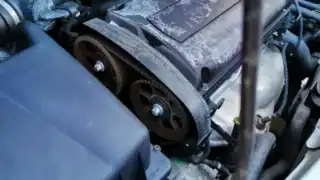
The drive belt on your BMW does more work than most drivers realise. It transfers power from the engine’s crankshaft to essential components like the alternator, power steering pump, and air conditioning compressor. BMW drive belt replacement is one of those jobs that sits quietly on the maintenance schedule until something goes wrong, and when a drive belt fails, it rarely gives you much warning. At Gatton Automotive Solutions, we see this service across a wide range of BMW models, from everyday 3 Series and X-series to older E-chassis vehicles that have clocked up serious kilometres on Lockyer Valley roads.
Signs Your BMW Drive Belt Needs Attention
BMW uses a serpentine drive belt arrangement on most of its petrol engines, meaning a single belt drives multiple accessories at once. That design is efficient, but it also means one worn belt can affect several systems simultaneously. The most common sign is a high-pitched squealing noise from the front of the engine, particularly on cold starts or when you turn on the air conditioning. That sound usually means the belt is slipping, either because it has glazed with age or because the tensioner that holds it tight is starting to fail.
Other signs worth paying attention to include:
- A flickering battery warning light, which can indicate the alternator is not being driven reliably
- Power steering that feels heavier than usual, especially at low speeds or when parking
- Air conditioning that has stopped working or blows warm air unexpectedly
- Visible cracking, fraying, or glazing on the belt surface
- A burning rubber smell from the engine bay
On higher-mileage BMWs, it is also worth checking the belt tensioner and idler pulleys at the same time. A seized or worn pulley can destroy a new belt within weeks, so inspecting the whole system together makes sense.
What BMW Engine Drive Belt Replacement Involves
BMW’s service intervals for the serpentine drive belt vary by engine generation and are typically flagged through the vehicle’s Condition Based Servicing (CBS) system. CBS monitors real-world usage rather than simple mileage, which means two identical BMWs driven differently can be due for belt replacement at different times. Our technicians will check the CBS status alongside a physical inspection of the belt condition, the tensioner spring rate, and the pulley surfaces.
The replacement process itself involves relieving tension on the belt using the automatic tensioner, routing the new belt correctly across all pulleys, and confirming proper alignment before the engine is started. On some BMW models, particularly those with auxiliary water pumps driven off the belt or engines with tight bay packaging like the N54 and N55, access can be more involved than on a standard layout. We factor this into the job from the start rather than discovering it partway through.
Where possible, we source OEM-specification or genuine-equivalent belts that match BMW’s engineering tolerances. Using the correct belt specification matters more on a BMW than on many other vehicles because the accessory loading and belt routing geometry are engineered closely together. An undersized or low-spec replacement can run noisily, wear unevenly, or put unnecessary load on the tensioner.
Tensioner and Pulley Inspection
The automatic belt tensioner on most BMW engines uses a spring-loaded arm to keep belt tension constant. Over time, the internal spring weakens and the tensioner can no longer hold proper pressure, leading to belt slip and noise even on a brand-new belt. We check tensioner movement and resistance as part of every BMW serpentine drive belt replacement, and we will let you know honestly if the tensioner needs replacing at the same time. Doing both together saves labour cost compared to coming back for a second job a few months later.
What Affects the Cost and Time for This Job in Gatton
A few variables influence how long this job takes and what it costs. The engine variant matters significantly; a straightforward 4-cylinder installation takes considerably less time than a larger inline-6 or V8 with complex belt routing or additional driven accessories. Whether the tensioner and idler pulleys need replacement alongside the belt also affects the parts cost. And on older BMWs, seized fasteners or degraded components discovered during access can add time to the job.
We are upfront about all of this before we start. If we open the engine bay and find something that changes the scope, we will call you before proceeding. Parts sourcing is handled in-house, which means we can usually turn BMW drive belt replacement around without waiting on external suppliers.
Why Gatton BMW Owners Bring Their Cars Here
Gatton Automotive Solutions is a locally owned workshop that handles everything from everyday cars and 4WDs through to trucks, heavy equipment, and agricultural machinery. For BMW owners in the Lockyer Valley, that breadth of capability matters because it means you are not driving to Ipswich or Toowoomba every time your car needs something beyond a basic service. We handle BMW engine drive belt replacement, general mechanical repairs, tyres, suspension, roadworthy certificates, and more, all under one roof.
Our pricing is straightforward. We do not recommend work your car does not need, and we explain what we find in plain language. With five-star reviews from local drivers, the reputation we have built in Gatton is something we take seriously on every job, regardless of size.
If your BMW is making belt noise, showing warning lights, or you are simply not sure when the drive belt was last changed, Book Your Free Inspection online or Call Us Now. We are right here in Gatton, ready to help.