European vehicles have a reputation for engineering that feels precise until something small goes wrong. A drive belt that’s overdue for replacement is one of those small things that can quickly become a big problem. European vehicles drive belt replacement is one of the most common preventive services we carry out here in Gatton, and for good reason. The drive belt, sometimes called a serpentine belt, runs continuously while your engine is on, transferring power from the crankshaft to critical accessories like the alternator, power steering pump, air conditioning compressor, and water pump. When it fails, those systems fail with it.
What Does a Drive Belt Actually Do in a European Vehicle?
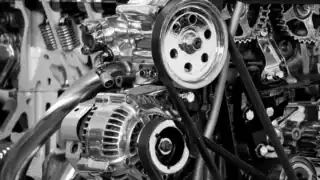
Most European vehicles use a single serpentine drive belt that loops around multiple pulleys to run several accessories at once. Unlike older multi-belt setups, this single belt design is efficient and compact, which suits the tighter engine bays found in brands like Volkswagen, BMW, Mercedes-Benz, Audi, Peugeot, and Renault. The trade-off is that when the belt wears out or snaps, everything it powers goes down simultaneously.
Many European manufacturers also use a separate belt-driven cooling circuit or a secondary belt for the air conditioning compressor. During a European vehicles engine drive belt replacement, we check both systems so nothing gets missed. A worn tensioner or a seized idler pulley is often the real culprit behind premature belt wear on these vehicles, and addressing only the belt without inspecting the pulleys is a shortcut we don’t take.
Signs Your European Vehicle’s Drive Belt Needs Attention
Drive belts don’t always fail without warning. Here’s what to look out for before the belt leaves you stranded:
- Squealing or chirping noise from the engine bay, especially on cold starts or when accessories like the air conditioning kick in
- Visible cracking or glazing on the belt surface, which you might notice during a routine service
- Flickering or dimming lights, which can signal the alternator isn’t receiving consistent power from the belt
- Battery warning light on the dash, often triggered when a slipping belt reduces alternator output
- Sudden loss of power steering assist on hydraulic systems, making the wheel noticeably heavier
- Overheating, if the belt also drives the water pump and has failed or slipped
European vehicles can be particularly sensitive to belt wear because many models run higher-tension accessory systems with tighter manufacturing tolerances. A belt that looks cosmetically intact can still be stretched beyond spec and slipping under load.
How We Carry Out European Vehicles Drive Belt Replacement in Gatton
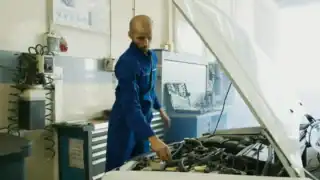
Before we remove anything, we do a thorough inspection. Our technicians check belt tension, look for glazing or fraying, test each pulley for smooth rotation and bearing noise, and assess the condition of the tensioner arm. On models where the belt also drives the water pump, we factor in whether both components should be replaced together, given the overlapping labour involved.
We source parts that meet OEM specifications for the brand in question. European vehicles drive belt replacement isn’t the place to cut corners on parts quality. Budget belts from suppliers without OEM-equivalent ratings can stretch faster, run noisier, or simply not fit the pulley geometry of a European-spec engine correctly. We discuss parts options with you plainly and let you decide.
Brand-specific detail matters here. Volkswagen Group vehicles, for instance, often incorporate a tensioner that uses a hydraulic or spring-loaded mechanism rather than a simple adjustable bracket. Failure to replace or inspect this tensioner during a European vehicles serpentine drive belt replacement is a known cause of repeat jobs on VW and Audi models. We carry out these replacements with that context in mind.
What Affects Cost and Timing?
The price of a European car belt replacement varies depending on the vehicle model, whether the belt also drives the water pump, the parts specification required, and whether additional components like tensioners or idler pulleys are included. European vehicles typically require OEM-grade or OEM-equivalent belts, which sit at a higher price point than generic alternatives but deliver the service life the vehicle was engineered around.
Labour time depends on engine bay access. Some European models, particularly transverse-engined front-wheel drives, require partial removal of ancillary components to reach the belt routing, adding time to the job. We’ll tell you upfront what’s involved before any work begins. No surprises.
Why Gatton Drivers Bring Their European Vehicles to Us
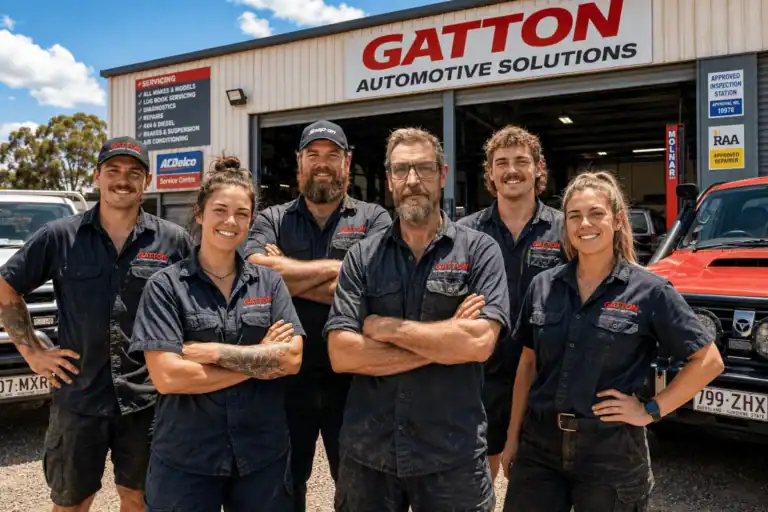
Gatton Automotive Solutions handles everything from everyday passenger cars and 4WDs through to trucks, heavy equipment, farm machinery, smash repairs, custom paintwork, and tyre supply and fitting. European vehicle drive belt work sits comfortably within that breadth of capability. Drivers in Gatton and across the Lockyer Valley don’t need to make the 45-plus kilometre trip to Ipswich or Toowoomba for quality European vehicle servicing. We carry out this work locally, with honest advice and straight pricing.
We handle parts sourcing in-house, which means we can often source the correct OEM-spec belt and tensioner components without delays. Roadworthy certificates are also issued on-site if your vehicle needs one. With five-star reviews from local customers, the feedback speaks for itself.
If your European vehicle is making unusual noises from the engine bay, or you’re simply due for a scheduled European vehicles drive belt replacement, Call Us Now or Book Your Free Inspection online. We’re here to keep Gatton and Lockyer Valley drivers moving without the hassle of driving out of town.