
Limited Time: Free Windscreen Wipers With Any Service. Subject To Availability.

Locally Owned & Operated
Honest Upfront Pricing
5★ Reviews
All Makes & Models

Verified 5★ Reviews

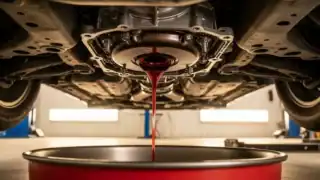
Reliable Audi Brake Fluid Change In Gatton

Brake fluid degrades over time and absorbs moisture, affecting braking safety. We replace yours to Audi factory specs and inspect the entire system while you wait.

One-Stop Workshop

Honest Advice

5★ Reviews

Audi Brake Fluid Experts

Book Your Free Inspection

Tell us what you need and we'll get back to you with a clear quote.

Booking Form
  • Vehicle Details
  • Confirm Vehicle
  • Services
  • Contact Details
Honest Quotes
All Vehicle Types
Local & Reliable

Why Book With Us

Book Your Free Inspection
Drop Off Your Vehicle
We Get to Work
Collect Your Car

Your Audi’s brake fluid is one of those parts you don’t think about until something goes wrong, yet it’s critical to your safety every time you press the pedal. An Audi brake fluid change removes old, degraded fluid and replaces it with fresh fluid that meets Audi’s OEM specifications. Over time, brake fluid absorbs moisture from the air through microscopic pores in brake hoses and seals. This moisture lowers the fluid’s boiling point, which can cause brake fade under hard braking or on long descents. For Audi owners in Gatton, regular brake fluid changes keep your braking system responsive and reliable, whether you’re driving through town or heading to Ipswich or beyond.

Warning Signs Your Audi Needs Fresh Brake Fluid

Brake fluid degradation doesn’t always announce itself with a dashboard warning light. You might notice a soft or spongy brake pedal that requires more pressure to stop, or brakes that feel less responsive than usual. Some Audi drivers report a slight delay before the brake engages, or brakes that feel inconsistent between journeys. A brake fluid warning light or low brake fluid level indicator on your dash is a clear signal that either your brake pads are wearing (which lowers the fluid level as the caliper pistons extend) or there’s a leak somewhere in the system.

Beyond these symptoms, Audi’s service schedule typically recommends a brake fluid change every two years or 40,000 kilometres, whichever comes first. Even if your brakes feel fine, old fluid has lost its ability to handle heat and moisture. This is especially important if your Audi sees regular hard braking or mountainous driving.

How Audi Brake Fluid Change Works

The process starts with a visual inspection of your braking system. We check brake hose condition, look for leaks around calipers and wheel cylinders, and verify brake pad wear. If we spot corrosion, cracks, or damage to the hydraulic lines, we’ll let you know before we proceed — a failing hose is far more serious than old fluid, and it needs to be sorted first.

Once we’ve confirmed the system is sound, we perform a complete fluid flush. This means removing old, degraded fluid from the entire brake system — not just topping up the reservoir. We work through each brake circuit methodically, pushing new fluid through until the old fluid is completely expelled. For Audi vehicles, we use fluid that meets DIN ISO 4925 class 4 or equivalent OEM-spec standard, ensuring compatibility with your car’s ABS system and brake proportioning valves.

After the flush, we bleed the brakes to remove any air trapped in the lines. Air in the brake system causes that spongy pedal feeling and reduces braking power. We verify that your brakes feel firm and responsive before we hand the car back to you.

What Affects the Cost and Time for Your Audi’s Brake Service

Most Audi brake fluid changes take 1 to 2 hours, depending on your model and whether we discover any additional issues during inspection. A straightforward A3 or A4 typically takes less time than a larger model like an A6 or Q5, simply because of access and the number of brake circuits to flush.

The cost of your brake fluid change depends on a few variables. OEM-specification fluid carries a different price than universal aftermarket alternatives — we’ll talk you through the options and what we recommend for your Audi. If our inspection reveals worn brake pads, leaking calipers, or corroded hoses, those jobs will add time and cost, but we’ll explain what we’ve found and ask you before proceeding with any additional work. We don’t upsell unnecessary repairs, and we don’t guess — if something needs fixing, we show you the evidence.

Why Audi Owners in Gatton Choose Us for Brake Fluid Changes

We’re a full-service workshop right here in Gatton, so you don’t need to drive 45 minutes to Ipswich or further to Toowoomba for Audi servicing. We handle Audi brake work as part of our general mechanical expertise, alongside everything from routine maintenance to suspension upgrades and roadworthy certificates. Our technicians work with Audi’s specifications and OEM parts sourcing, and we’re honest about what your car needs and what it doesn’t.

Because we service cars, 4WDs, trucks, and heavy equipment under one roof, we understand brake systems across different vehicle types and weights. That experience means we catch issues other workshops might miss. We keep the process straightforward — we inspect, we explain, and we fix what’s actually broken. No pressure, no upselling, fair pricing.

With five-star reviews, our local reputation is built on doing the job well and treating people right. Audi owners who’ve brought their cars to us know they’ll get straight advice and work they can trust.

Your Next Step

If your brakes feel soft, if it’s been two years since your last fluid change, or if you’ve noticed any of the warning signs above, book your free inspection with us. Call us now or book online, and let’s get your Audi’s braking system back in top condition. We’re locally owned and ready to help.

Other Services

Whatever your needs we have you covered, see some similar services below or click "See All Services" to explore our full service offering.

Your Local Workshop for Every Vehicle

Gatton Automotive Solutions is the one-stop shop for cars, 4WDs, trucks, and heavy equipment. Honest advice and fair pricing, right here in Gatton.

Honest Pricing, No Surprises

We tell you what’s needed and what it costs before we start. No upselling, no pressure.

Everything Under One Roof

Bring your car in and we’ll inspect it, explain what we find, and quote you upfront.

Audi-Spec Fluid and Diagnostics

We source OEM-spec fluid and use Audi diagnostics to catch wear early.

How Audi Brake Fluid Change Works

From booking to collection, here's how we handle your Audi brake fluid change safely and efficiently.

Step 1

Book Your Free Inspection

Call us or book your free inspection online to arrange your Audi brake fluid change appointment.

Step 2

Brake Fluid System Check

We test your Audi's brake fluid boiling point and measure moisture levels using specialist equipment.

Step 3

Fluid Flush and Replace

We flush the brake system and refill with Audi-specification fluid, following manufacturer procedures.

Step 4

Test and Collection

We test brake response, verify system function, and hand over your Audi ready to drive with confidence.

Five-Star Rated

Verified 5★ Reviews

Quality Parts From Trusted Suppliers

We use genuine and quality aftermarket parts from reputable suppliers. You get reliable components backed by proper warranties.

Book Your Free Inspection

Tell us what you need and we'll get back to you with a clear quote.

Booking Form
  • Vehicle Details
  • Confirm Vehicle
  • Services
  • Contact Details
Honest Quotes
All Vehicle Types
Local & Reliable

Why Book With Us

Book Your Free Inspection
Drop Off Your Vehicle
We Get to Work
Collect Your Car

Frequently Asked Questions

Browse answers to common questions about our services. Can't find what you're after? Give us a call and we'll help.

Audi recommends changing brake fluid every two years regardless of kilometres travelled. This interval is shorter than many other manufacturers because Audi’s braking systems operate under high thermal stress, and the fluid absorbs moisture over time. Moisture lowers the fluid’s boiling point, which can cause brake fade under hard use. Following Audi’s two-year service interval keeps the system working as it should, whether you’re commuting daily or towing on weekends.

Old brake fluid absorbs moisture from the air through the brake lines and reservoir. Once moisture levels rise, the fluid’s boiling point drops significantly. Under hard braking, this can cause the fluid to vapourise, creating gas bubbles in the lines and a spongy or unresponsive pedal. In a worst case, stopping distance increases at the moment you need it most. Corroded internal components are another side effect of moisture-saturated fluid sitting in the system.

We drain the old fluid from the braking system completely and refill it with fresh fluid that meets Audi’s specified standard, typically DOT 4 or the low-viscosity LV variant used in newer models. We also inspect the reservoir, brake lines, and callipers for any visible signs of leaks or deterioration while we have the system open. You’ll leave knowing the fluid meets spec and the system has had a visual once-over.

Most Audis require DOT 4 fluid, but many newer models specify Audi’s own low-viscosity DOT 4 LV fluid. Using the wrong grade can affect pedal feel and braking performance, particularly in vehicles with electronic stability control or performance brake packages. It’s worth confirming the correct specification before any top-up or change. Our team checks the vehicle’s requirements before starting so the right fluid goes in every time.

Under ACCC guidance, Australian consumer law generally allows vehicle owners to have their cars serviced by qualified independent mechanics without voiding the manufacturer warranty, provided the service is carried out to the manufacturer’s specifications. This is general information rather than legal advice, and we’d encourage you to check your specific warranty terms if you’re unsure. We record all work completed and stamp logbooks where applicable, so there’s a clear service history regardless of where the work is done.

A brake fluid change is typically a straightforward job that can be completed in under an hour for most vehicles. We offer while-you-wait servicing at our Gatton workshop, so for many customers it’s a matter of dropping in, having a coffee, and being back on the road without losing your day. If we identify anything else worth looking at during the inspection, we’ll let you know before doing anything.

The main variables are the fluid specification required for your particular model and the condition of the system. Some Audi models call for a premium low-viscosity fluid that costs more than standard DOT 4. If we find corroded bleed nipples or line issues that need attention before the flush can be completed, that adds time and parts. We give you a clear picture of what’s involved before we start, so there are no surprises on the bill.

A spongy or soft brake pedal is the most common sign that moisture has entered the fluid. You might also notice the pedal sitting lower than usual or requiring more pressure to achieve normal stopping. Some workshops offer a brake fluid moisture tester that gives a quick read on contamination levels. If your Audi has been through a lot of hard braking, such as regular towing in the Lockyer Valley, or if the car has sat unused for an extended period, it’s worth checking the fluid rather than waiting for the calendar.

Continue to site