Limited Time: Free Windscreen Wipers With Any Service. Subject To Availability.

Locally Owned & Operated
Honest Upfront Pricing
5★ Reviews
All Makes & Models

Verified 5★ Reviews

Expert Hyundai Brake Fluid Change In Gatton

Brake fluid degrades over time and affects your Hyundai's stopping performance. At Gatton Automotive Solutions, we flush and replace it to factory spec, then test your brakes for peace of mind.

One-Stop Workshop

Honest Advice

5★ Reviews

Hyundai Fluid Expertise

Book Your Free Inspection

Tell us what you need and we'll get back to you with a clear quote.

Booking Form
  • Vehicle Details
  • Confirm Vehicle
  • Services
  • Contact Details
Honest Quotes
All Vehicle Types
Local & Reliable

Why Book With Us

Book Your Free Inspection
Drop Off Your Vehicle
We Get to Work
Collect Your Car

Brake fluid is one of those things most drivers don’t think about until something feels wrong. For Hyundai owners in Gatton, a Hyundai brake fluid change is a straightforward but genuinely important piece of maintenance that directly affects how well your brakes perform when you need them most. Brake fluid is hygroscopic, meaning it absorbs moisture from the air over time. As that moisture content rises, the fluid’s boiling point drops, and your brakes can become less responsive under hard or repeated use.

Why Brake Fluid Degrades and When Hyundai Recommends Changing It

Hyundai’s service schedules typically recommend a brake fluid change every two years, regardless of how many kilometres you’ve driven. This interval reflects the way the fluid absorbs moisture rather than how worn it gets through mechanical friction. A Hyundai i30 driven mostly around town will still need its fluid changed on the same calendar cycle as one doing long highway runs, because moisture ingress happens whether the brakes are being used heavily or not.

Fluid condition isn’t always visible to the naked eye. Fresh brake fluid is usually pale yellow and clear. As it ages and absorbs water, it darkens and can turn brown. But colour alone isn’t a reliable test. The real measure is the fluid’s boiling point, which we can check with a refractometer or brake fluid tester during a service inspection.

Signs Your Hyundai Brake Fluid May Need Attention

These are the symptoms that most commonly bring Hyundai drivers in for a brake fluid check:

  • A soft or spongy brake pedal that doesn’t feel as firm as it used to
  • The brake pedal sinking lower before the brakes engage fully
  • Reduced stopping performance, particularly after repeated heavy braking on a long descent or in stop-start traffic
  • A warning light on the dash, particularly the brake system warning light on newer Hyundai models
  • It’s been two or more years since the fluid was last changed

Brake fade, where the pedal goes soft or the car takes longer to stop after sustained braking, is one of the clearest signs that moisture in the fluid has lowered its boiling point. Under heavy use, the fluid can partially vaporise, and gas compresses in a way that liquid doesn’t. That’s when you notice the pedal travel increasing mid-stop.

What We Do During a Hyundai Brake Fluid Change in Gatton

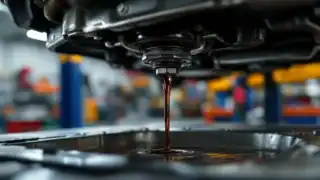
The process isn’t complicated, but the details matter. We start by testing the existing fluid’s moisture content to give you an accurate picture of where it sits. We then fully flush the old fluid from the system, including the calipers, wheel cylinders, and brake lines, rather than simply topping it up. Topping up without flushing dilutes contaminated fluid with fresh and doesn’t fix the underlying moisture problem.

We use brake fluid that meets or exceeds Hyundai’s OEM specification. Most current Hyundai models call for DOT 3 or DOT 4 fluid, with some newer high-performance variants requiring DOT 4 plus spec fluid. Getting this right matters because using an incompatible fluid can affect system seals, ABS performance, and hydraulic response. We’ll confirm the correct specification for your specific model before we start.

After the flush, we check the brake lines and master cylinder for any signs of leaks or corrosion while we have access to the system. If anything looks like it needs attention, we’ll let you know before doing anything further.

What Affects the Cost of a Brake Fluid Change?

A brake fluid change is one of the more affordable items on a Hyundai service schedule, but a few variables do affect the final cost. Older vehicles with more complex brake systems or corroded bleed nipples can take longer to flush cleanly. The type of fluid required for your model, particularly if it’s a performance spec variant, also influences parts cost. We’ll give you a clear price before we start so there are no surprises.

Drivers heading to Ipswich or Toowoomba for this kind of job are adding 45 to 80 kilometres to their day for something we handle right here in Gatton. For most Hyundai owners in the Lockyer Valley, there’s no practical reason to travel that far for routine brake servicing.

Why Choose Gatton Automotive Solutions for Your Hyundai Brake Service

We work on all types of vehicles here, from everyday Hyundai Accents and Tucsons through to 4WDs, utes, trucks, and heavy equipment. That breadth means our workshop is properly equipped and our team has experience across the full range of brake system configurations. We don’t refer jobs out. Roadworthy certificates, smash repairs, tyre fitting, suspension work and mechanical servicing are all done on-site.

With five-star reviews from drivers across the Gatton area, we’ve built our reputation on straightforward advice and fair pricing. No upselling, no unnecessary work recommended. If your brake fluid is fine, we’ll tell you that too.

Booking Your Hyundai Brake Fluid Service

If your Hyundai is due for a brake fluid change, or you’re not sure when it was last done, Call Us Now or Book Your Free Inspection online. Gatton Automotive Solutions is your local workshop for all Hyundai brake and mechanical work in the Gatton area.

Other Services

Whatever your needs we have you covered, see some similar services below or click "See All Services" to explore our full service offering.

Your Local Workshop for Every Vehicle

Gatton Automotive Solutions is the one-stop shop for cars, 4WDs, trucks, and heavy equipment. Honest advice and fair pricing, right here in Gatton.

Honest Pricing, No Surprises

We tell you what’s needed and what it costs before we start. No upselling, no pressure.

Everything Under One Roof

Bring your car in and we’ll inspect it, explain what we find, and quote you upfront.

Hyundai-Spec Brake Fluid

We source and fit OEM-spec fluid matched to your Hyundai’s brake system requirements.

How Hyundai Brake Fluid Change Works

From booking your free inspection to collection, here's how we handle your Hyundai brake fluid change professionally and promptly.

Step 1

Book Your Free Inspection

Call us now or book your free inspection to assess your Hyundai's brake fluid condition and service needs.

Step 2

Brake Fluid System Assessment

We test your Hyundai's brake fluid condition, system pressure, and check for contamination or moisture ingress.

Step 3

Brake Fluid Replacement

We flush the brake system and refill with Hyundai-specification fluid, removing air from the lines.

Step 4

Safety Check and Collection

We verify brake response and system integrity, then hand your Hyundai back with confidence in its braking.

Five-Star Rated

Verified 5★ Reviews

Quality Parts From Trusted Suppliers

We use genuine and quality aftermarket parts from reputable suppliers. You get reliable components backed by proper warranties.

Book Your Free Inspection

Tell us what you need and we'll get back to you with a clear quote.

Booking Form
  • Vehicle Details
  • Confirm Vehicle
  • Services
  • Contact Details
Honest Quotes
All Vehicle Types
Local & Reliable

Why Book With Us

Book Your Free Inspection
Drop Off Your Vehicle
We Get to Work
Collect Your Car

Frequently Asked Questions

Browse answers to common questions about our services. Can't find what you're after? Give us a call and we'll help.

Most Hyundai models specify a brake fluid change every two years, regardless of kilometres travelled. Brake fluid absorbs moisture over time, which lowers its boiling point and reduces braking performance. Hyundai’s service schedule takes this into account, so the two-year interval applies even if your car hasn’t done much distance. Check your logbook for the exact interval specified for your model, as newer Hyundai vehicles may have slightly different requirements listed.

Old brake fluid that’s absorbed moisture can boil under heavy braking, creating vapour in the lines. This causes a spongy or fading brake pedal, which significantly reduces stopping power. In the worst cases, partial brake failure is possible. You might also notice corrosion building up inside the brake master cylinder and callipers over time. If your brakes feel soft or the pedal sinks further than usual, get your vehicle inspected promptly rather than waiting for your next scheduled service.

A soft or spongy brake pedal is the most common sign. You might also notice the pedal travelling closer to the floor before the brakes bite, or a slight burning smell after driving with repeated heavy braking. Discolouration is another clue: fresh brake fluid is pale yellow; fluid that’s dark brown or black is overdue for replacement. Some Hyundai models will also flag a brake system warning on the dash if fluid level drops.

We start by testing the existing fluid with a moisture meter to confirm how much water it has absorbed. The old fluid is then fully flushed from the system, including the master cylinder reservoir, brake lines, and all four callipers or wheel cylinders. We refill with fresh fluid that meets Hyundai’s specified standard, then bleed each brake point to remove any air. A final brake pedal test confirms the system is firm and responding correctly before the vehicle goes back to you.

Under ACCC guidance, Australian consumers are generally not required to use a dealer service centre to maintain a manufacturer warranty, provided the work is performed to the manufacturer’s standard using appropriate parts and fluids. This is general information only, not legal advice, and we recommend checking your specific warranty terms if you have any concerns. We use brake fluid that meets Hyundai’s specified grade and record the service correctly in your logbook.

Yes. We record every service item in your logbook, including brake fluid changes, with the date, odometer reading, and work completed. Keeping an accurate service history matters whether you’re maintaining a warranty, managing a fleet, or planning to sell your Hyundai down the track. A fully stamped logbook is one of the simplest ways to protect the value of your vehicle.

Most Hyundai passenger cars and SUVs require DOT 3 or DOT 4 brake fluid, with DOT 4 being the more common specification on newer models. The correct grade is listed in your owner’s manual and on the brake fluid reservoir cap. Using the wrong grade, particularly a lower-rated fluid in a vehicle specifying DOT 4, can compromise performance and cause damage to seals. We always confirm the correct specification for your specific Hyundai model before topping up or flushing.

Hyundai’s i30, Tucson, and Santa Fe models are popular in the Lockyer Valley region and we service them regularly. None have unusual brake fluid failure rates, but like any vehicle, brake fluid condition deteriorates with age and heat exposure. Turbocharged variants and models used for towing can put more heat through the braking system, which makes sticking to the two-year flush interval particularly worthwhile. We can check the condition of your fluid as part of any general service if you’re unsure.

A brake fluid flush typically takes under an hour for most passenger cars and SUVs. If you’re in Gatton and want to wait while it’s done, that’s usually straightforward to accommodate. The job can take a little longer if we find moisture contamination has caused corrosion in the bleed nipples or if additional brake system work is identified during the inspection. We’ll let you know before starting anything beyond the standard service.

The main variables are the vehicle’s brake system size, the specified fluid grade, and whether any additional work comes up during the flush. Larger vehicles with more brake points take more fluid and slightly more time. If the bleed nipples are seized due to corrosion, freeing them safely adds to the labour. We don’t quote one flat price without knowing the vehicle, but we’ll give you a clear price before we start so there are no surprises on pickup.

Topping up the reservoir is generally safe if you use the correct fluid grade and keep the cap off for as short a time as possible, since brake fluid absorbs moisture from the air quickly. However, a consistently low fluid level usually points to a leak or worn brake pads rather than simple evaporation. If you find yourself adding fluid regularly, that warrants a proper inspection rather than just topping up and carrying on.

The brand matters less than the specification. What counts is that the fluid meets the DOT rating listed in your Hyundai’s owner’s manual, typically DOT 4 for most current models. A quality fluid from a reputable supplier that meets or exceeds that rating is suitable. We source brake fluid from trusted suppliers and always match the correct specification to your vehicle, so you can be confident the right product goes in every time.

Continue to site