Brake fluid is one of those things that quietly does its job until it can’t. For drivers of Chinese-made vehicles in Gatton, a Chinese Vehicles brake fluid change is a straightforward but genuinely important part of keeping your braking system working the way it should. Brake fluid is hygroscopic, meaning it absorbs moisture from the air over time. As that moisture content rises, the fluid’s boiling point drops, and under hard braking your system becomes vulnerable to something called vapour lock, where gas bubbles form in the lines and reduce braking effectiveness. That’s not a theoretical risk. It’s a real consequence of neglected fluid that no driver wants to find out about on a busy road.
How Often Does Brake Fluid Need Changing on Chinese Vehicles?
Most vehicle manufacturers recommend replacing brake fluid every two years or 40,000 kilometres, whichever comes first. Chinese vehicle brands including GWM, Haval, MG, LDV, Chery, and BYD petrol models generally follow this schedule, though the specific recommendation for your model will be in your owner’s manual or logbook. In practice, many vehicles come in for a brake oil change well past this interval because it’s easy to overlook, especially when the brakes still feel normal during everyday use.
Moisture contamination builds gradually. You won’t feel it happening. The fluid may also darken in colour as it ages and collects particulates from internal rubber seals, which is a sign it’s overdue for replacement even if the interval hasn’t been reached.
Signs Your Brake Fluid May Need Attention
Some drivers do notice warning signs before they think to check the fluid. Here’s what to watch for:
- A spongy or soft brake pedal that requires more pressure than usual to slow the vehicle
- The brake pedal sinking lower before the brakes engage
- Longer stopping distances, particularly under repeated or heavy braking
- A brake warning light on the dashboard, which on some GWM and Haval models monitors fluid level as part of a broader brake system alert
- Fluid that looks dark or dirty when the reservoir is inspected under the bonnet
If you’re noticing any of these symptoms, don’t put off getting the system looked at. Brakes are one area where waiting to see if it gets worse is not a sensible approach.
What We Do During a Brake Fluid Change for Chinese-Made Vehicles
The process starts with a check of the existing fluid using a refractometer or test strips to measure moisture content. This gives us an objective reading rather than just going by appearance. We also inspect the brake fluid reservoir, the master cylinder, and the condition of brake lines for signs of contamination, corrosion, or leaks.
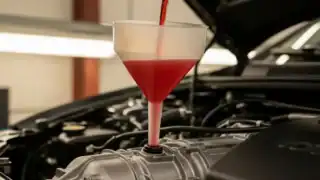
Flushing the old fluid out is done methodically, working through each brake caliper or wheel cylinder in sequence to make sure old, moisture-laden fluid is fully expelled. Chinese vehicles, particularly GWM and Haval models, use conventional DOT 4 brake fluid in most applications, though some newer platforms have specific viscosity or DOT rating requirements. We use fluid that meets or exceeds the specification for your particular vehicle rather than a generic substitute.
Once the system is flushed and refilled, we bleed each brake circuit to remove any air that entered during the process, then do a final pedal feel check to confirm everything is working as it should.
A Note on GWM and Haval Service Schedules
GWM and Haval vehicles, two of the more common Chinese brands now on Gatton roads, have detailed service schedules that include brake fluid replacement as a listed item. Staying on this schedule matters not just for safety but for maintaining your new vehicle warranty under Australian consumer law, which generally allows qualified independent mechanics to carry out scheduled servicing. If you’re unsure what your logbook requires, bring it in and we’ll go through it with you.
What Affects the Cost and Time for a Brake Fluid Change?
A brake fluid change is one of the more accessible services on the maintenance schedule. Cost variables include the specific fluid specification required for your vehicle, whether the system needs an extended flush due to heavily contaminated fluid, and whether any related components need attention once the lines are inspected. Vehicles with electronic brake distribution systems or integrated stability control may require a scan tool to properly cycle the ABS module during bleeding, which adds a step to the process. We’ll let you know what’s involved before we start.
For most straightforward brake fluid flushes, the job is well suited to a while-you-wait appointment. If the vehicle needs more attention, we’ll tell you upfront.
Servicing Chinese Vehicles Locally in Gatton
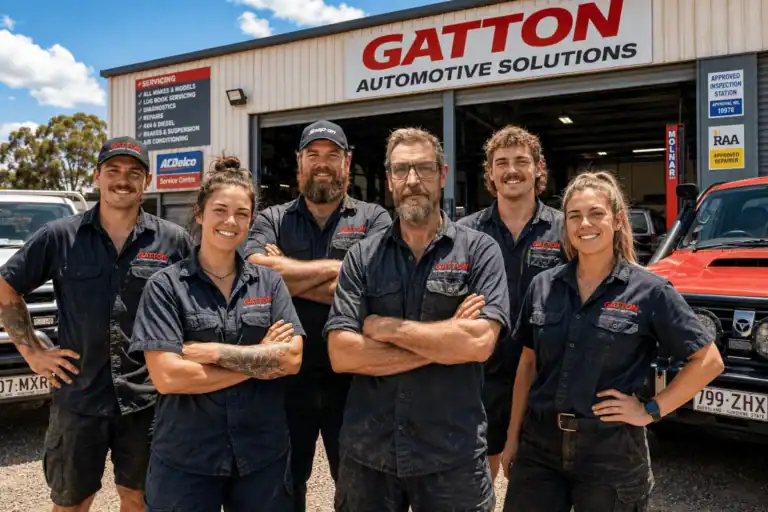
Driving to Ipswich or Toowoomba for a brake fluid change on your MG, Haval, GWM, or LDV is unnecessary. Gatton Automotive Solutions services all makes right here in Gatton, including Chinese-brand vehicles that are becoming an increasingly common sight on local and regional roads. Our workshop handles everything from everyday passenger cars to 4WDs, utes, and commercial vehicles, so whatever you’re driving, we can look after it.
We’re a locally owned workshop with five-star reviews from drivers across the Lockyer Valley. Straight advice, fair pricing, and no unnecessary work added to your invoice. Parts sourcing is handled through us, so you don’t need to chase anything down separately. From general mechanical work for everyday drivers through to roadworthy certificates, suspension upgrades, tyre fitting, and smash repairs, it’s all done in one place.
If your brake fluid is due, or you’re not sure when it was last done, Book Your Free Inspection online or Call Us Now to talk through what your Chinese vehicle needs.